
Contact Dayton Door Sales Today!
Thank you! Your submission has been received!
Oops! Something went wrong while submitting the form.

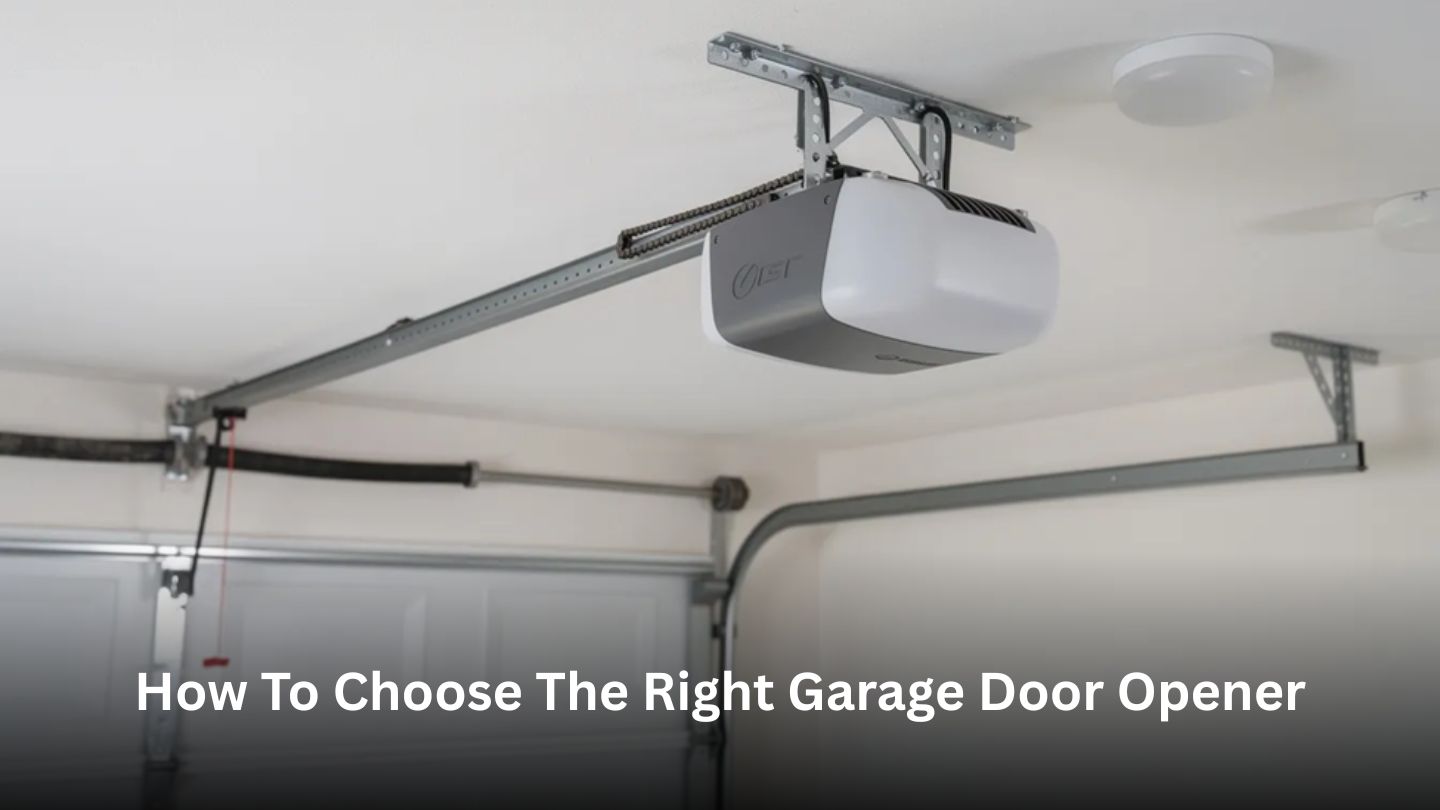
Selecting the right garage door opener comes down to five main factors: your door’s size and weight, the drive type that fits your garage layout, noise tolerance, safety features, and your budget. Getting these elements right means your opener will operate smoothly for years without unexpected headaches.
This blog walks you through the main types of garage door openers, how to match power to your door type, key safety and security features, smart technology options, and when it makes sense to call a professional.
Most residential openers fall into four main categories: chain drive, belt drive, screw drive, and wall-mounted jackshaft systems. Each has distinct advantages and trade-offs depending on your garage configuration, noise tolerance, and budget.
Understanding these differences helps you quickly rule out options that won’t work for your situation, especially when evaluating how garage doors and openers function together in daily use. For example, if your bedroom shares a wall with the garage, you’ll want to focus on quieter drive types right from the start.
One reassuring note: regardless of drive type, all modern garage door openers come equipped with standard safety sensors, and most offer optional smart features. The core difference lies in how the motor moves the door and how much noise it makes in the process.
Chain drive openers represent the classic, time-tested approach to garage door operation. These systems use a metal chain, similar to a bicycle chain, to pull a trolley along a track, lifting and lowering your door.
Chain drive systems remain the most budget-friendly option, making them a practical choice for homeowners watching their costs. They’re built to handle heavy loads reliably, including double doors made of steel or solid wood.
The trade-off is noise, and if your system produces excessive vibration, understanding why your garage door makes a loud noise when opening can help identify whether the opener or door hardware is the issue. This makes them best suited for detached garages where the rumble won’t disturb anyone inside the home.
Belt drive openers swap the metal chain for a reinforced rubber belt, dramatically reducing operational noise. The manufacturing process for these belts mirrors automotive tire production, creating a durable component that handles daily use with minimal wear.
If your garage is attached to your home, especially with bedrooms, home offices, or nurseries located above or beside it, belt drive models deserve serious consideration. The difference in noise level is substantial enough that late-night arrivals won’t wake the household.
Belt drive openers typically cost more than chain drive systems, placing them in the mid to high-end category. However, many models come bundled with Wi-Fi connectivity and battery backup, adding value beyond just quiet operation. These openers often include better manufacturer warranties compared to chain drives, which can offset the higher upfront cost over time.
Screw drive openers work differently from both chain and belt systems. Instead of a looped chain or belt, these units use a threaded steel rod that rotates to move the trolley along the track.
This design results in fewer moving parts, which translates to lower maintenance needs over the opener’s lifetime. Screw drive systems also tend to lift doors faster than other types, which appeals to homeowners who value speed and efficiency. An opener’s durability depends on usage and maintenance, and understanding how long garage door openers last helps homeowners plan timely upgrades before performance or safety becomes an issue.
The main limitation involves temperature sensitivity. Screw drive openers can struggle in regions with extreme heat or cold, as the metal components expand and contract with temperature swings. They perform best in mild climates without dramatic seasonal changes.
For heavier single and double doors where the homeowner wants a balance between speed, moderate noise, and durability, screw drive openers remain a solid option, though they’re less common today than belt or chain drive systems.
%20Garage%20Door%20Openers.jpg)
Jackshaft openers take a completely different approach by mounting on the wall beside the torsion bar instead of hanging from the garage ceiling. This frees up valuable overhead space for storage racks, ceiling-mounted platforms, or high-lift track configurations.
These direct drive systems are excellent for high-ceiling garages, low headroom situations, or modern custom builds with exposed ceilings where a traditional ceiling-mounted unit would look out of place. Since the motor moves directly against the torsion bar with minimal moving parts, jackshaft openers are among the quietest and most reliable options available.
Wall mounted jackshaft systems tend to be the most expensive residential option, but they typically include premium features like built-in Wi-Fi connectivity and quiet DC motors. They require torsion-spring doors and should be installed by a professional to ensure correct alignment and safe operation.
Choosing the correct horsepower prevents premature opener failure and protects your door’s hardware from unnecessary strain, which is why homeowners often ask what size garage door opener do I need before making a purchase. An underpowered opener working too hard will burn out faster, while the right match ensures efficient operation and a longer lifespan.
Most residential garage door openers range from 1/2 HP to 1-1/4 HP. If you’re looking at DC motors, you may see ratings listed as “HPS” (horsepower similar) or “HPC” (horsepower comparable) rather than traditional horsepower numbers.
Here’s a practical breakdown based on the door’s weight and size:
|
Door Type |
Recommended Power |
|
Standard 8×7 single steel door |
1/2 HP |
|
Insulated or 16×7 double steel door |
3/4 HP |
|
Oversized, wood, or high-lift doors |
1–1-1/4 HP |
|
Heavy custom wood or wind-rated doors |
Consult a professional |
Lighter doors require less power to lift, while heavier doors demand more robust motors. Homeowners in Ohio weather conditions should consult a local professional for proper sizing, as choosing a wind-resistant reinforced garage door often involves materials that weigh significantly more than standard residential options.
One important note: if your garage door is hard to lift manually, upgrading the opener’s horsepower alone won’t solve the problem. Difficulty lifting usually indicates the door is out of balance, which points to spring or track issues that need attention first.
Where your garage sits relative to bedrooms and living spaces should heavily influence your garage door opener selection. A noisy opener in a detached garage may be no problem, but that same unit attached to your home can disrupt sleep and daily life.
Here’s how the main drive types compare for noise level:
|
Drive Type |
Noise Level |
Best For |
|
Chain Drive |
Loudest |
Detached garages |
|
Screw Drive |
Moderate |
Mild climates, separate structures |
|
Belt Drive |
Quiet |
Attached garages, bedrooms nearby |
|
Jackshaft/Direct Drive |
Quietest |
Any location, premium applications |
Households opening the garage six to ten times daily, busy families, shared driveways, and home-based businesses should lean toward quieter, smoother DC belt drive or jackshaft units. The reduced noise pays dividends every single day.
For townhomes and condos, quiet operation often becomes a practical necessity rather than just a preference. HOA rules or shared walls with neighbors mean that a loud chain drive system could create friction beyond your own household.
Modern DC motors often include soft-start and soft-stop technology, which eliminates the jarring sounds of a door suddenly lurching into motion or slamming to a halt. Rubber isolation mounts further reduce vibration that would otherwise travel through your home’s structure. These features provide less noise and smooth operation, which makes a real difference in your living space.
U.S. safety standards for garage door openers changed significantly in 1993, and recognizing when you need to replace your garage door opener is critical for protecting your family and pets. Any opener installed before that date should be replaced, not just for convenience, but for the safety of your family and pets.
Modern safety features include:
Security features have evolved significantly in recent years. Rolling code technology generates a new access code each time you use the remote, preventing thieves from capturing and replaying your signal. Encrypted Wi-Fi connectivity protects your smart features from unauthorized access. Some models include lockout features that disable remote signals entirely, useful when you’re away on vacation.
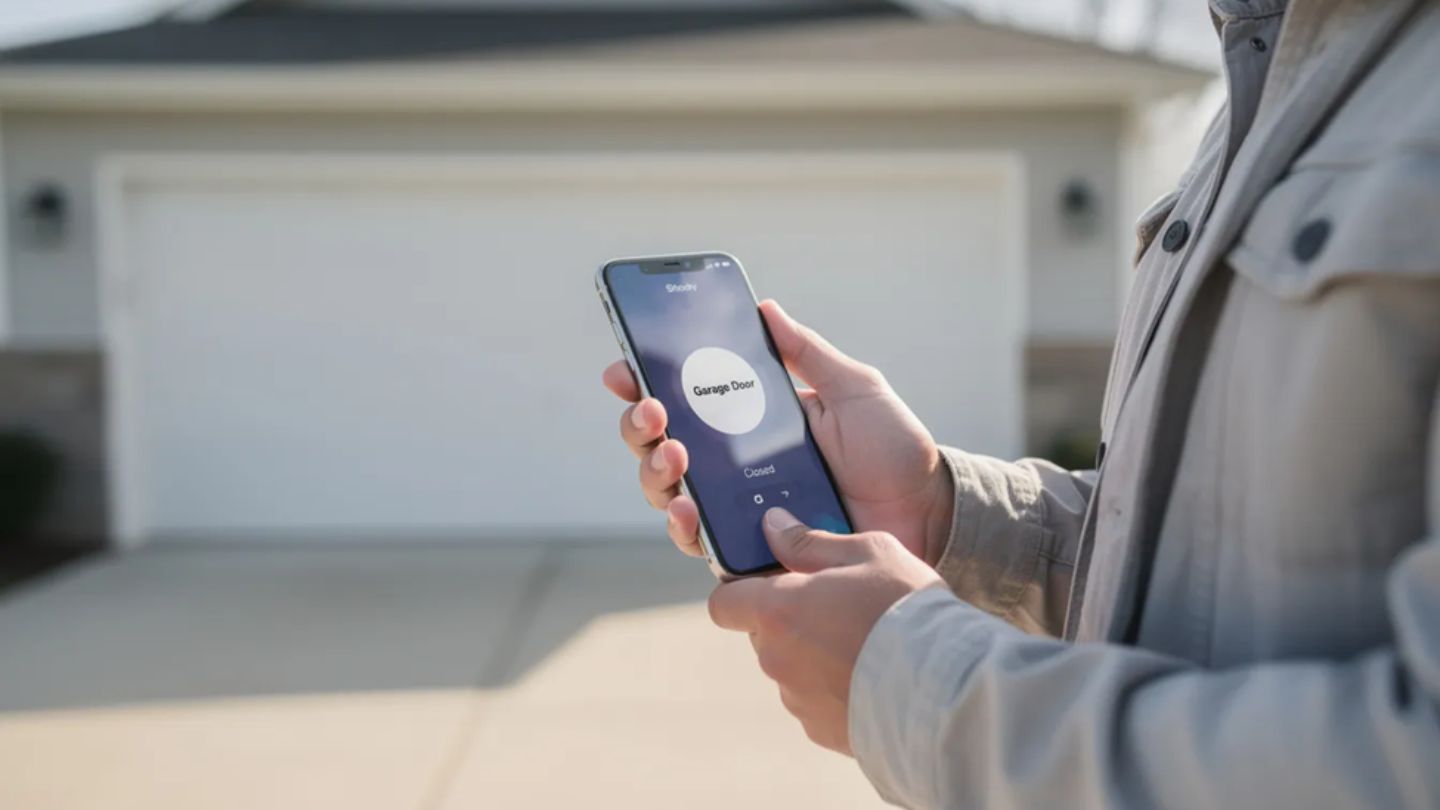
Most leading brands offer built-in Wi-Fi or add-on smart hubs as standard options. The days of simple remotes being your only control method are largely behind us.
Smartphone apps let you:
Common accessories worth considering include:
|
Accessory |
Purpose |
|
Wireless keypad |
Exterior access without a remote |
|
Extra remotes |
Additional vehicles or family members |
|
Wall button with timer |
Interior control with auto-close feature |
|
HomeLink compatibility module |
Integration with built-in car systems |
While many garage door openers are sold as DIY-friendly kits, incorrect installation can damage your door or create serious safety hazards. Torsion springs under tension, electrical connections, and precise sensor alignment all require careful attention.
Professional installation typically includes:
Always call a professional when the job involves adjusting or replacing torsion springs, working with high-lift tracks, or handling heavy commercial-style doors. The injury risk from spring tension alone makes these jobs unsuitable for DIY attempts.
Choosing the right garage door opener comes down to balancing power, noise level, safety features, and long-term reliability. When matched correctly to your door and usage needs, the right opener improves daily convenience, protects your investment, and reduces future repair issues while delivering smooth, dependable operation year after year.
Dayton Door Sales helps homeowners choose and install openers that fit their door, lifestyle, and budget when it comes to garage door installation in Dayton, Kettering, and Tipp City. From entry and patio doors, garage doors, openers, and accessories, to service and repair, proper selection and setup also support projects. We focus on dependable products, precise installation, and long-term performance, so you can move forward with confidence. Let us help you get it done right.
Most modern garage door openers last 10–15 years with proper maintenance. Heavy daily use, extreme temperatures, or an unbalanced door can shorten the lifespan. Keeping the door balanced and performing routine annual maintenance helps reduce strain on the motor and significantly extends the opener’s usable life.
Generally, no. New garage door openers are designed to work with their own rail systems. Differences in rail length, trolley design, and mounting hardware can cause alignment issues and safety risks. Reusing old rails may void warranties unless they are replaced with the exact same model.
Annual maintenance includes cleaning and aligning photo-eye sensors, testing the auto-reverse feature, tightening mounting hardware, and lubricating chains or screw drives. Belts should remain dry. Replacing remote batteries as needed and checking door balance helps prevent strain and unexpected opener failures.
Direct drive and DC motor openers offer quieter operation, smoother starts and stops, and reduced wear on door components. They’re energy efficient and often include battery backup. For attached garages or noise-sensitive households, the added cost is justified by comfort and performance.
Usually not. If the existing door is structurally sound, balanced, and operates smoothly, it can work with a new opener. However, very old or damaged doors may lack reinforcement for modern openers, making replacement a safer and more practical long-term solution.
.jpg)


