
Contact Dayton Door Sales Today!
Thank you! Your submission has been received!
Oops! Something went wrong while submitting the form.

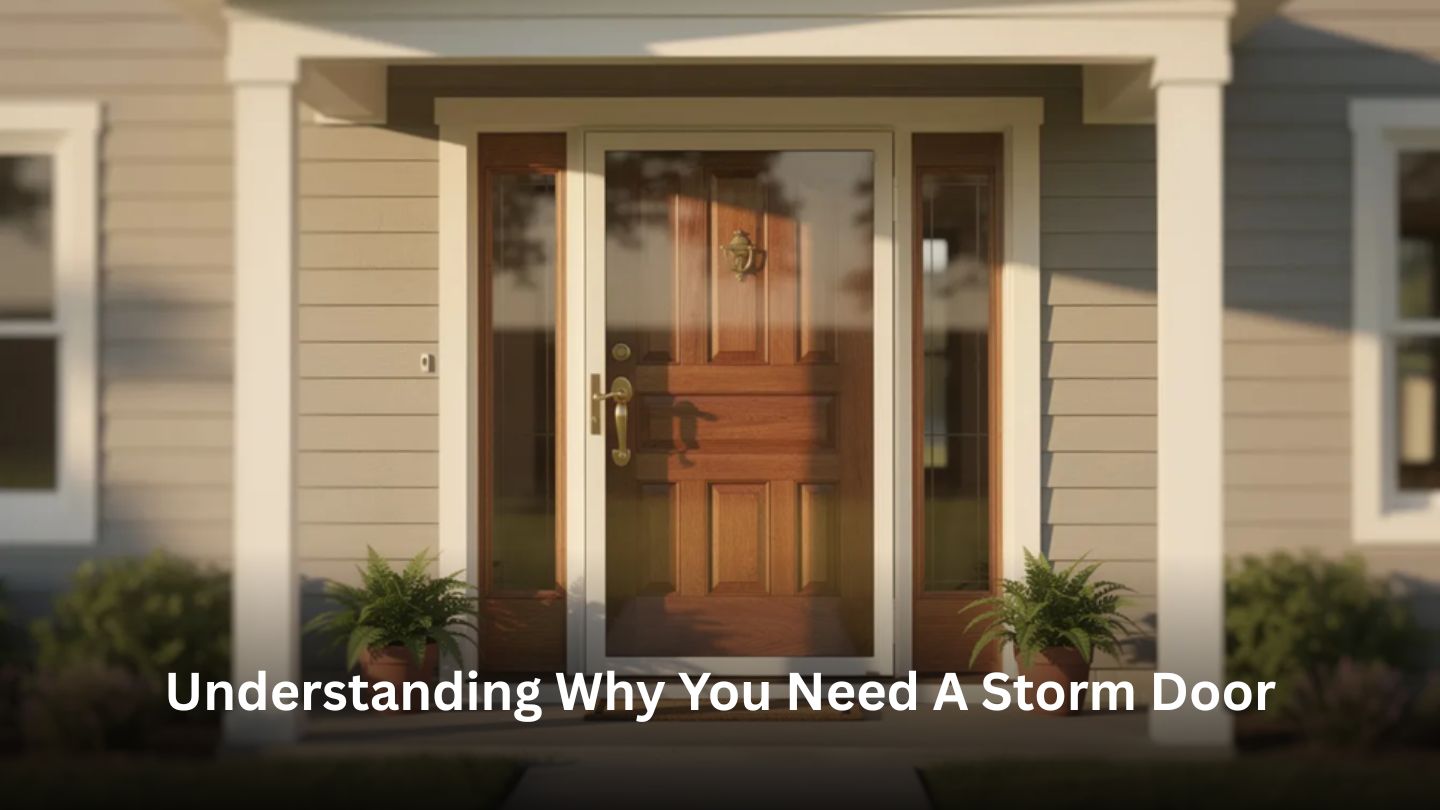
A storm door adds an extra layer of protection and functionality to your home’s main entryway. It helps shield your primary door from weather exposure while improving ventilation and energy efficiency. Beyond protection, it can enhance natural light and everyday convenience. Homeowners often overlook its practical value until they experience the difference firsthand. In this blog, we break down the key reasons a storm door can be a smart addition to your home.
A storm door is a separate, outer door installed directly in front of your existing entry door. Most storm doors feature an aluminum, steel, fiberglass, or wood frame fitted with interchangeable glass or screen inserts that let you adapt to changing seasons.
Storm doors first became common across North America in the mid-20th century, particularly in colder climates where homeowners needed to protect wood doors from rain, snow, and drafts. The design also allowed families to open their main door for summer ventilation while keeping insects outside. Today, that same practical thinking drives homeowners to consider whether a storm door belongs on their front door, back door, or side entry, especially when choosing the right doors for your home depends on climate and usage.
A storm door is most helpful when your front door or exterior door faces west or north in a windy area, when you live in a lakefront or coastal home exposed to driving rain, or when you have an older home with an original wood door that would be expensive to replace. The extra layer of protection shields your primary door from the elements and can extend its lifespan by years.
You may not need a storm door if your main door is a modern, insulated fiberglass or steel model, since durability and performance vary by entry door material. In those situations, the added expense and daily inconvenience of managing two doors may outweigh the benefits.
Here are a few examples to help you think through your own situation:
Storm doors offer practical benefits in comfort, protection, and seasonal flexibility that many homeowners notice immediately after storm door installation. Whether you’re looking to let in more natural light, protect a cherished wood door, or simply enjoy fresh air without the bugs, there’s a lot to like.
The main advantages worth exploring include:
Let’s look at each of these in practical, everyday terms.
A full glass storm door lets you open your solid front door while staying protected, flooding a dark foyer or hallway with daylight. Many homes have long foyers or windowless entryways that feel dim and uninviting. Keeping the main door open for a few hours each afternoon can completely transform the space.

When winter daylight is limited to just a few hours, that extra light becomes especially valuable. Even on cloudy days, the difference between a dark, closed-off entry and one filled with natural light affects how welcoming your home feels. Some studies suggest that maximizing natural light can reduce electric lighting use by 20–30% on sunny days, a nice bonus on top of the improved atmosphere.
For homes where the entry tends to feel like a cave, a full-view glass storm door offers a simple solution that makes your living space brighter without a major renovation.
The storm door acts as a sacrificial layer, taking the brunt of rain, sleet, hail, wind-blown grit, and road salt spray instead of your primary door. This adds protection that’s especially important for painted wood doors, stained oak or mahogany doors, and vintage or custom doors that cost a small fortune to refinish or replace.
Consider a painted wood front door in Dayton, Ohio, exposed to winter snow, freezing rain, and strong seasonal wind. Without extra protection, you may start to see peeling paint, water staining near the bottom of the door, swollen wood that sticks, and worn thresholds within just a few years. Wood doors in Ohio’s changing temperatures and humidity levels can expand and contract over time, and repeated exposure to moisture and sunlight can shorten the life of the finish.
A storm door shields your entry door from these daily assaults. Homeowners in regions like the Midwest often credit their storm doors with eliminating the need for annual touch-ups and extending the life of their main door by a decade or more.
Many modern storm doors feature deadbolts, multi-point locks, and tempered or laminated safety glass, adding an additional barrier for would-be intruders. While a storm door isn’t a substitute for a solid main lock, having two doors creates layered defense that can slow down forced entry and may deter opportunistic break-ins altogether.
Specific security features to look for include:
In urban or high-traffic areas, homeowners often keep the main door open and the locked storm door closed to see visitors clearly before allowing entry. This lets you screen who’s at your door without sacrificing security, a practical benefit that’s hard to quantify but easy to appreciate.
A properly installed storm door creates an extra buffer of still air between the two doors, cutting drafts around older wooden frames and making winter cold less noticeable near the entry. That trapped layer of air acts as natural insulation because stagnant air provides better thermal resistance than moving air exposed to wind and temperature extremes.
Real-world energy savings depend heavily on climate, door orientation, and the condition of your existing door. Homes in colder climates like Ohio and the Dayton area often see the biggest comfort improvements from a storm door, especially during windy winters and freezing temperatures. By adding an extra barrier at the entry, a storm door can help reduce drafts and limit heat loss around older doors, which may lead to lower heating costs over time.
That said, it’s important to use cautious language here. A storm door can help reduce heat loss and drafts, but it won’t transform a poorly insulated home on its own. Practical comfort improvements you might notice include:
For homes where the entry feels drafty in the winter months, adding a storm door can make a real difference in everyday comfort without requiring a complete door replacement.
A storm door changes the look of your front entry, which is a major focal point for curb appeal, and understanding front entry door color selection helps ensure the design feels intentional. Opinions differ sharply on whether adding one is an upgrade or a downgrade; it depends entirely on the door you choose and how it fits your home’s architecture.
On some houses, especially modern or minimalist designs, a storm door can visually clutter the entry. On others, it can look intentional and polished if selected carefully. New, sleek full-view designs with minimal framing showcase your main door beautifully, while older narrow-rail storm doors with heavy crossbars can cheapen even a high-end wood door’s appearance.
The right storm door doesn’t fight your main door; it complements it, because entry doors impact first impressions the moment someone approaches your home. Start by matching or coordinating colors between the storm door frame and the main door. Painting both in the same deep navy, charcoal, or classic black creates a unified appearance that looks planned rather than tacked on.
Hardware coordination matters too. Select handles and hinges that echo the finish on your main door’s knob, lockset, and house numbers. If your existing hardware is satin nickel, choose a storm door with the same finish. If you’ve got aged bronze fixtures, match those instead.
Full-view designs with minimal framing often showcase the main door’s style best, especially for decorative wood or paneled doors. Clear glass keeps attention on your beautiful entry, while beveled or patterned glass adds its own decorative focal point; choose based on which element you want people to notice first.
In historic districts or on architecturally significant homes, adding a modern aluminum storm door can clash with the original design and may even violate local preservation guidelines. Before installing anything, check with your local historic commission if applicable.
Alternatives for preserving period character include:
If you do install a storm door on a historic home, painting it to match the main door or exterior trim helps it visually recede. From the street, a well-matched storm door becomes almost invisible, protecting your entry without announcing its presence.
The market offers several main styles of storm doors, each suited to different climates, priorities, and household needs. Understanding your options helps you select the right storm door for your situation.
Key factors to consider when choosing:
Heavier-duty options with thicker frames and better weatherstripping generally cost more but hold up better in inclement weather. For households with active dogs or small children, consider models with reinforced lower panels that resist scratching and impact.
Full-view designs feature a large sheet of glass that shows almost your entire main door, ideal for homeowners focused on curb appeal and more light in their entryway. These doors make a statement while letting you display a beautiful entry year-round.
Some full-view models include interchangeable glass and screen panels you swap seasonally. Others integrate a top or mid-panel that slides down to reveal a built-in screen when you want airflow. The choice depends on how often you’ll switch between configurations and whether you have storage space for extra panels.
Picture a homeowner in Dayton, Ohio, who installs a full glass storm door on a painted wood door: they get to show off that cheerful red or classic navy color all winter while the storm door helps protect the entry from snow, cold wind, and freezing rain. When spring arrives, sliding down the screen panel lets them enjoy fresh air without letting in bugs.
These doors work best where pets won’t scratch the lower glass and where your main door’s appearance is worth showcasing. If your entry door is nothing special, a full-view storm door won’t change that; it’ll just put it on display.
Retractable screen storm doors hide the screen in a cassette at the top of the frame when not in use. When you want airflow, you simply pull the screen down; when you don’t, it rolls back up out of sight.
Practical advantages of retractable screens include:
This flexibility shines during unpredictable Ohio weather, from spring rainstorms and windy days to those fall afternoons in the Dayton area when temperatures change quickly. You can adjust on the fly without swapping panels.
Look for durability features like heavy-duty weatherstripping, reinforced corners, and high-quality closers. Most storm doors with quality hardware hold up well for 15–25 years, but the mechanisms in retractable designs need to be built right to avoid failure over time.
Consider your climate, sun exposure, existing door condition, home style, and budget before committing to storm door installation, especially when evaluating what to consider when replacing your entry door as part of the overall upgrade..
A simple step-by-step evaluation:
A front entry in Dayton, Ohio, that faces strong wind, rain, and winter snow will often benefit significantly from a storm door. But a recessed entry under a deep covered porch in Kettering or Springboro may not need one as much. Most homes fall somewhere in between.
Different conditions in Southwest Ohio create different storm door needs:
Doors facing north or east with frequent wind-driven rain or snow usually gain more from a storm door than shaded south-facing doors protected by deep porches. The risk of combining full-glass storm doors with dark, sun-exposed main doors in hot climates can void some manufacturers’ warranties; this isn’t just theoretical.
A storm door is more than an add-on; it’s a practical upgrade that improves comfort, protection, and efficiency. From reducing weather exposure to increasing ventilation and daylight, the right storm door supports your main entry door and enhances everyday usability while contributing to a cleaner, more durable entryway over time.
At Dayton Door Sales, we help homeowners choose and install the right storm door to complement entry doors in Troy, Kettering, and Springboro. From entry and patio doors, heritage series entry and patio doors, garage door openers and accessories, garage doors, to service and repair, having the right solutions in place ensures long-term performance and curb appeal. Work with us to find dependable options, professional guidance, and results that improve your home’s protection, appearance, and day-to-day convenience.
Most standard exterior doors, often 36 inches wide, can support a storm door if the frame provides enough mounting surface for hinges and the closer. However, narrow sidelights, masonry openings, or arched entries may require custom hardware or modifications after a professional evaluation.
A storm door helps reduce drafts by creating an insulating air pocket, but it cannot fully stop air leaks caused by worn weatherstripping, poor insulation, or damaged thresholds. For best results, the main entry door should be properly sealed and maintained first.
Storm doors rarely increase formal appraised value, but they can improve curb appeal and buyer perception. In areas with harsh weather, buyers often appreciate the added protection, ventilation, and convenience, which can make the home feel better maintained overall.
Well-built aluminum or fiberglass storm doors typically last 15–25 years with basic upkeep. Lower-quality models or wood frames exposed to harsh climates may need replacement sooner, sometimes within 5–10 years, depending on weather exposure and maintenance.
Many homeowners can install a pre-hung storm door using basic tools. However, out-of-square frames, masonry openings, or existing frame damage are best handled by professionals to ensure proper fit, smooth operation, and long-term durability.
.jpg)


