
Contact Dayton Door Sales Today!
Thank you! Your submission has been received!
Oops! Something went wrong while submitting the form.


The biggest mistakes homeowners should avoid during garage door installation in Beavercreek, OH, are inaccurate measurements, unsafe spring handling, poor track alignment, incorrect opener setup, skipped safety checks, and ignoring local code requirements. A garage door installation project may look straightforward. Still, it is one of the more complex installation process tasks in a home because the garage door system depends on exact dimensions, balanced weight, structural support, electrical safety, and calibrated moving parts.
A successful garage door installation starts before the new garage door is ordered. Accurate measurements, the right garage door, high-quality materials, and a clear understanding of Beavercreek’s housing styles and weather conditions all affect whether the door fits perfectly and functions safely. This blog covers the most common installation mistakes, including measurement errors, component issues, safety hazards, and garage door opener mistakes, as well as when to call professionals for installation instead of attempting DIY garage door installation.
Accurate measurements are essential before purchasing a garage door because every part of the door system depends on the opening, framing, overhead space, and side clearances. Homeowners often measure only the width and height, only to discover too late that the garage door tracks, springs, opener rail, or weather seals do not fit properly.
A proper garage door installation requires measuring the width, height, headroom, and side clearance. Headroom is the space above the opening. Side clearance is the space beside the opening for the vertical tracks and hardware. Backroom is the depth available inside the garage for installing the door and the garage door opener system. If any of these areas are short, the wrong garage door or the wrong track system may be ordered.
Incorrect measurements can cause doors to fail to close properly. Neglecting accurate measurements can lead to installation issues such as binding, gaps around the perimeter, uneven movement, or a door that cannot seal against the floor. Even a 1/4-inch error can affect proper alignment, especially in older Beavercreek homes where framing may have shifted over time.
Many Beavercreek homes, especially older ranch-style properties, have lower ceilings, non-standard framing, settled slabs, or out-of-square openings. That means the installation process should include more than one quick measurement. Professional installers double-check measurements to avoid errors, and a reliable tape measure is essential for precision. For more complex openings, experienced technicians may also use a level, a laser level, or other appropriate tools to confirm that the door fits perfectly before ordering.
Proper planning also means thinking beyond the opening. Wind resistance and structural integrity are essential for garage door installations, especially for larger doors or homes in areas prone to strong storms. Local building codes and permits are often required for garage door installations when framing, electrical work, structural changes, or major system changes are involved. Professionals ensure compliance with local building codes during installation and can identify potential issues before they become costly repairs.
For a safe and reliable installation, these measurement points should be checked carefully:
Use a level to check track alignment during installation, and use a reliable tape measure during planning. Tracks must be level and securely fastened during installation. If measurements are off, the door may rub, the rollers may bind, or the garage door operates unevenly instead of delivering smooth operation.
Ceiling height variations are especially important in Beavercreek ranch homes. Limited overhead space may require low-headroom tracks, a different torsion spring setup, or a wall-mount garage door opener. Not all openers fit every garage, and not all track systems work with every framing condition. Planning these details early helps ensure smooth and quiet operation after the door is properly installed.
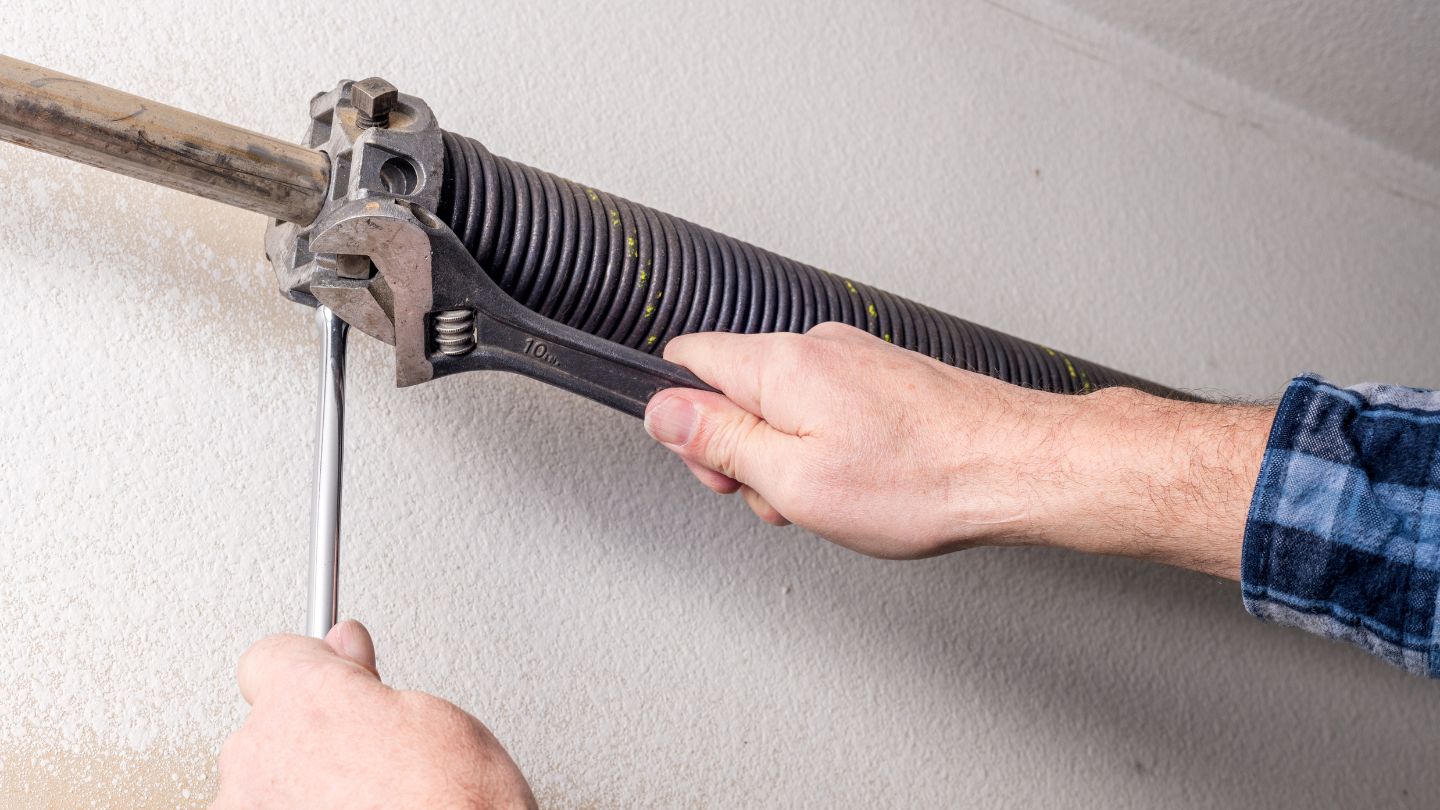
The most common and expensive mistakes during garage door installation usually involve components that look simple but require precise placement. Garage door tracks, brackets, rollers, hinges, cable drums, springs, opener rails, and safety sensors all need proper alignment and secure fastening. Improper installation of garage door components can lead to malfunctions, premature wear, noise, and safety risks. Many of these issues eventually develop into common overhead door problems that affect daily operation, making the accuracy of early installation especially important for long-term performance.
Track work is one of the most important parts of proper installation. Misaligned tracks can cause uneven door movement. Proper track alignment ensures smooth operation of the garage door. Improper track installation can increase wear on components, including rollers, hinges, panels, and opener parts. Tracks should never be fastened into weak drywall or unsupported material; they must be secured into appropriate framing.
Spring mistakes are even more serious. Garage door springs counterbalance significant weight and operate under extreme tension. Proper spring tension is critical for garage door operation. Springs must be calibrated to match the door’s weight. Incorrect spring installation can lead to sudden door failure, and improper spring tension can cause excessive strain on the opener. Professional spring adjustment is recommended for safety, as the stored force in torsion and extension systems can cause severe injury.
Garage door opener mistakes are also common. The opener must match the door’s weight, height, and frequency of use. An underpowered opener can strain, overheat, fail early, or malfunction, failing to reverse or close consistently. The garage door opener system must be installed with correct rail alignment, travel limits, force settings, grounding, and safety features.
Ignoring manufacturer guidelines can lead to performance issues. Manufacturer guidelines include specific assembly instructions for each model. Following guidelines helps prevent costly mistakes during installation. Manufacturer guidelines ensure safety during garage door installation. Deviating from guidelines can void garage door warranties. Professional installation helps maintain the warranty on garage doors because experienced professionals follow the manufacturer’s required installation sequence, fastener specifications, and testing steps.
Avoid these common installation mistakes during any garage door installation in Beavercreek:
A quality installation also considers Beavercreek’s climate. Insulated doors, durable bottom seals, corrosion-resistant hardware, and proper insulation help protect energy efficiency and keep the garage more comfortable. The right door complements the property’s curb appeal while also supporting long-term proper functioning.
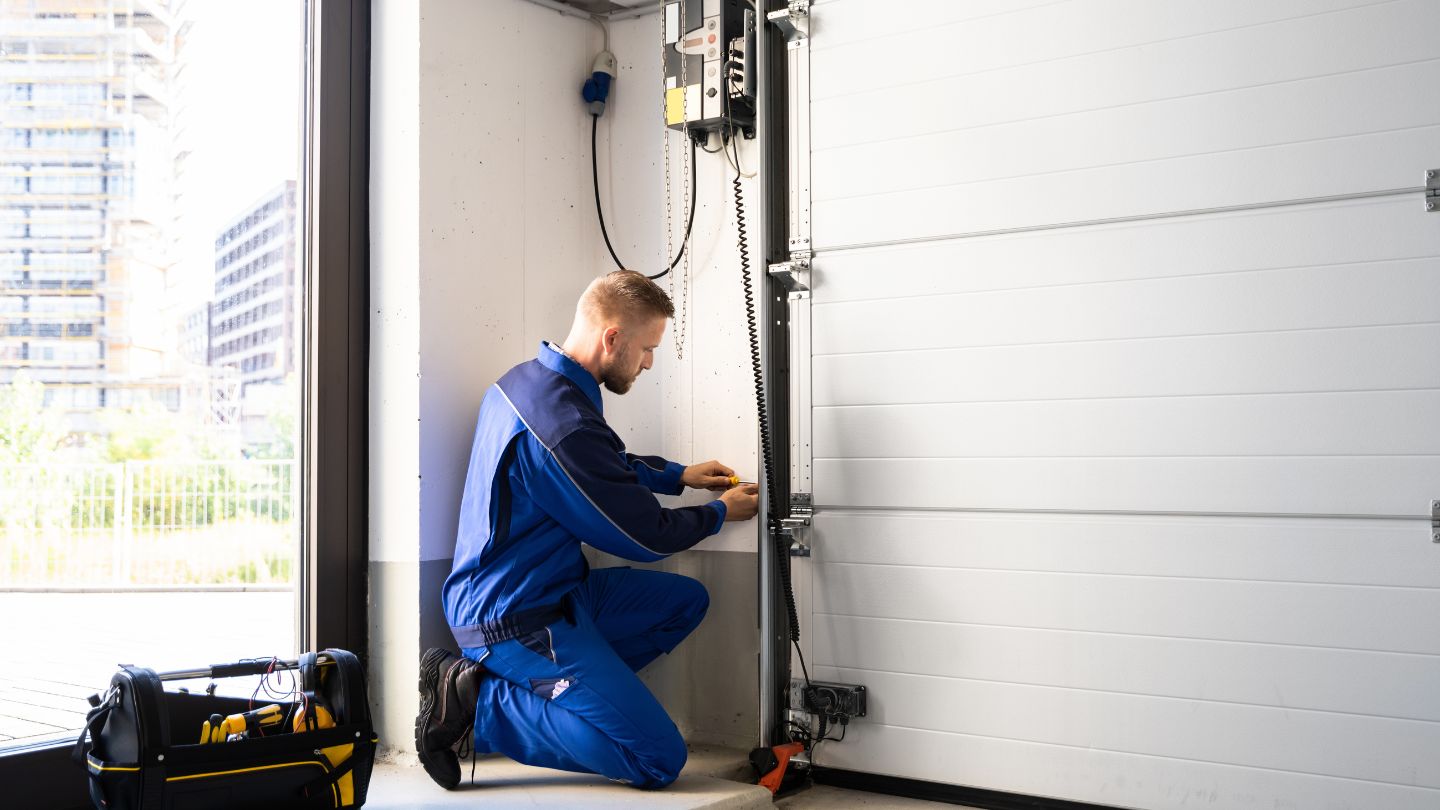
Safety is the strongest reason to be careful with diy installation. A garage door may weigh hundreds of pounds, and the springs, cables, brackets, and opener all work together to control that weight. Improper spring installation can lead to safety hazards. Improper spring installation can lead to sudden door failure. If the door drops, shifts, or goes out of track, the result can be property damage or serious injury. Many homeowners underestimate the risks involved with handling springs, cables, and other high-tension components. Understanding the dangers associated with DIY garage door repairs can help prevent injuries and costly mistakes during installation.
Spring tension is not a trial-and-error adjustment. Proper spring tension is critical for garage door operation, and improper spring tension can cause excessive strain on the opener. When a door is not properly balanced, the opener has to do more work than it was designed to. That can damage gears, rails, and drive systems, leading to garage door repair or even professional garage door repair sooner than expected.
Electrical work also matters. Faulty wiring can cause opener failure, nuisance tripping, or electrical fires. A proper garage door opener installation should include grounded wiring, correct voltage, safe routing, and compliant safety sensors. Safety features should never be bypassed. Homeowners should test safety features after installation and during routine maintenance to confirm the door functions as intended.
Local building codes and permits are often required for garage door installations, especially when the project includes structural framing changes, electrical modifications, a larger opening, or a different spring system. Professionals ensure compliance with local building codes during installation. Hiring professionals can prevent costly mistakes during installation because experienced technicians know how to identify clearance problems, structural concerns, opener compatibility issues, and unsafe component placement.
Professional installation typically takes 4–8 hours to complete, depending on the door size, opener setup, framing condition, and removal of the old door. A DIY garage door installation can take much longer. It may still result in an incorrect installation if the homeowner lacks proper tools, safety gear, or experience with the complex installation process.
Installing a garage door involves far more than attaching panels and connecting an opener. Accurate measurements, proper spring calibration, correct track alignment, safety testing, and compliance with local requirements all play a critical role in ensuring long-term performance and reliability. Avoiding common installation mistakes helps protect your investment, reduce future repair costs, and keep your garage door operating safely and efficiently for years to come.
At Dayton Door Sales, we deliver dependable garage door installation in Beavercreek that can improve the safety, appearance, efficiency, and overall value of your property. With decades of industry experience, we offer a wide selection of residential and commercial garage doors, carriage house, traditional, modern, and wood garage doors, along with quality openers and accessories, entry and patio doors, and expert repair services designed to support the long-term performance of your doors. Ready to find the right garage door solution for your home or business? Contact Dayton Door Sales today to schedule a consultation and explore your options.
Measure the width, height, headroom, side clearance, and backroom before ordering a new garage door. Accurate measurements are essential before purchasing a garage door because accurate measurements ensure the door fits perfectly. Professional installers double-check measurements to avoid errors, especially in older Beavercreek homes with uneven framing or limited overhead space.
Garage door springs counterbalance significant weight and operate under extreme tension. Incorrect spring installation can cause sudden door failure and pose safety hazards. Professional spring adjustment is recommended for safety, as trained technicians have the tools, safety gear, and experience to set the correct tension.
A garage door opener must match the door’s weight, height, insulation level, and usage needs. Not all openers are suitable for heavy insulated doors or oversized doors. If the opener strains, reverses unexpectedly, moves slowly, or makes unusual noise, the garage door opener system may be undersized or incorrectly installed.
Local building codes and permits are often required for garage door installations when structural changes, electrical work, opener installation, or major modifications are involved. Professionals ensure compliance with local building codes during installation, including requirements for safety sensors, auto-reverse mechanisms, structural support, and safe electrical connections.
Beavercreek’s cold winters, humid summers, freeze-thaw cycles, rain, snow, and wind make weatherproofing and material selection important. Proper insulation improves the home’s energy efficiency, while durable seals help block drafts, moisture, and pests. Wind resistance and structural integrity are essential for garage door installations, especially for larger doors and exposed homes.
.jpg)


