
Contact Dayton Door Sales Today!
Thank you! Your submission has been received!
Oops! Something went wrong while submitting the form.

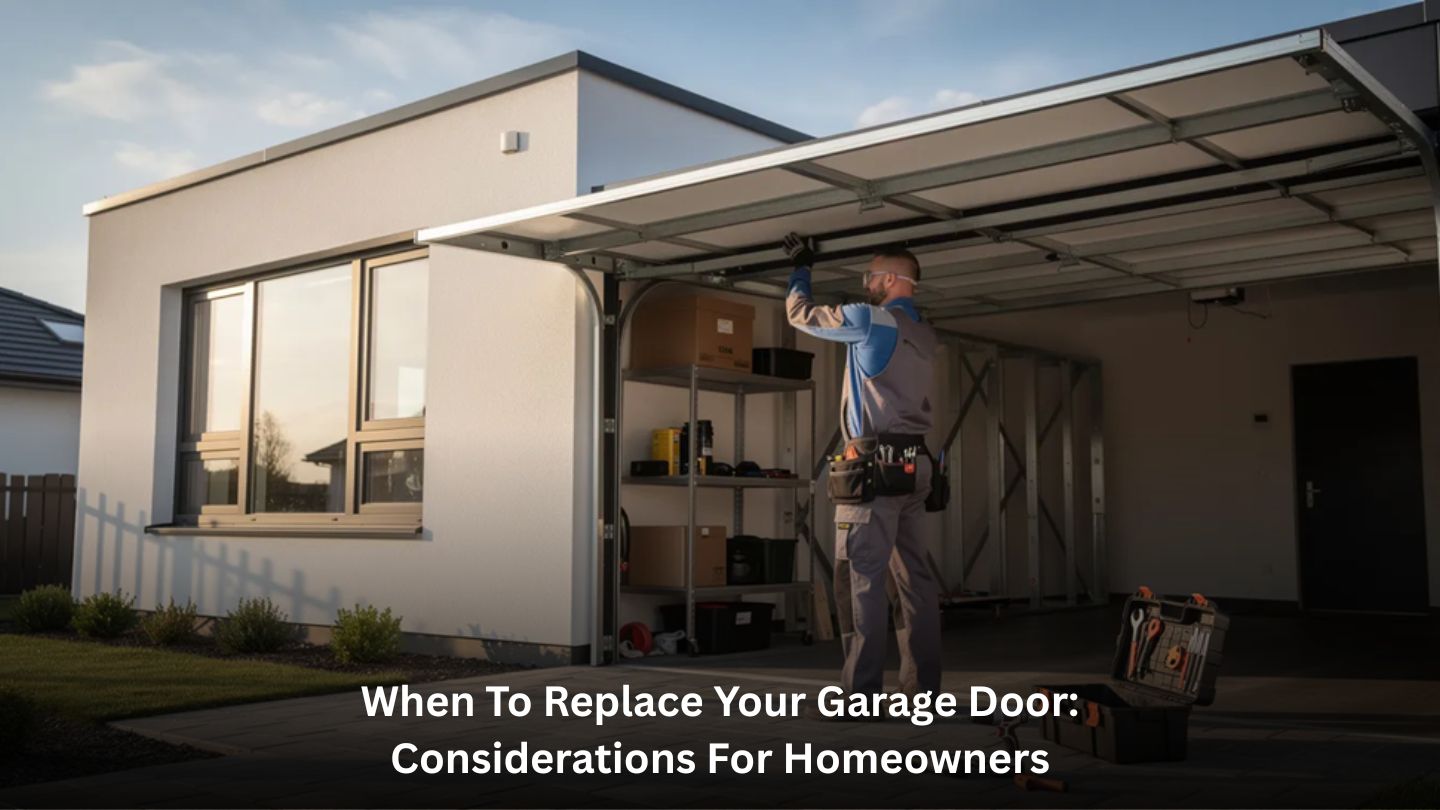
A garage door plays a vital role in your home’s safety, convenience, and curb appeal. Over time, regular use, weather exposure, and aging components can affect how well the door performs. Recognizing early signs of wear can help homeowners avoid sudden breakdowns and costly repairs. Upgrading at the right time can also improve security, efficiency, and overall functionality. In this blog, we will discuss the key signs and factors homeowners should consider when deciding if it is time to replace their garage door.
Your garage door is likely the largest moving object in your home, and most families use it multiple times every day. It’s easy to take for granted until something goes wrong, but when problems start stacking up, the costs and inconveniences can add up quickly. Most residential garage doors last roughly 15–30 years, depending on material, climate, maintenance, and usage patterns, though age alone doesn’t tell the whole story.
Timely replacement can prevent those frustrating breakdowns at the worst possible moments, reduce safety risks for your family, and help you avoid pouring money into a failing system. National remodeling reports, including Remodeling Magazine’s annual Cost vs. Value study, consistently rank garage door replacement among the top home improvement projects for return on investment. This article walks you through the practical signs that indicate replacement, the financial considerations involved, and what to expect when you’re ready for a new door.
There’s no fixed expiration date stamped on your garage door, but age strongly influences both reliability and safety. As components wear and materials degrade over time, older doors require more frequent attention and eventually reach a point where ongoing repairs simply don’t make sense. Regular maintenance, including understanding how often to lubricate your garage door, can help extend its lifespan and maintain smooth, safe operation for years.
A properly maintained steel or aluminum door can often last 20–30 years, while wood doors in harsh climates or humid environments may need replacement closer to the 15–20 year mark. Here’s what else to consider:
Read More: How Long Do Garage Door Openers Last? Tips to Extend Their Lifespan
When you’re calling for repairs more often than you’re opening the door without issues, it’s time to take a hard look at the numbers. Common recurring problems include broken springs, fraying cables, opener motor failures, and bent or damaged tracks. These issues tend to compound—one failing component often stresses others, leading to a cascade of repairs.
Your garage door can account for 20–40% of your home’s front façade, making its condition a major factor in overall appearance and resale value. A door showing visible damage or outdated style affects how your entire property is perceived.
Watch for these specific visual signs:
Doors with warped or misaligned sections often won’t seal properly, allowing drafts, pests, and moisture into the garage. This structural damage goes beyond cosmetics—it compromises the door’s ability to protect your space.
Buyers in competitive markets increasingly expect modern, coordinated garage door designs. Homes sold in recent years often feature updated doors that enhance the home’s appearance and signal overall good maintenance. When multiple panels are damaged, the style is decades out of date, or the frame is no longer square, replacement is usually more practical than cosmetic patching. A fresh coat of paint can only do so much when the underlying structure has failed.
Read More: How Garage Doors Can Improve Your Home's Curb Appeal

Attached garages act as a thermal buffer zone between outdoor weather and your living space. An old, uninsulated door can let extreme temperatures bleed directly into rooms above or beside the garage, forcing your HVAC system to work harder than necessary.
The sounds your garage door makes can tell you a lot about its condition. Normal operation should be relatively quiet and smooth. When the noise level increases or movement becomes erratic, the door and hardware are trying to tell you something.
Listen for these specific problem sounds:
|
Sound |
Likely Cause |
|
Loud grinding |
Worn rollers dragging against tracks, metal-on-metal contact |
|
Screeching or squealing |
Lack of lubrication on springs, hinges, or bearings |
|
Popping |
Weakening springs losing tension, loose hinges |
|
Repetitive rattling |
Loose hardware, misaligned panels, or track separation |
A noisy garage door accompanied by visible shaking of door sections, jerky movement, or the door binding at certain points in the track often indicates worn rollers, bent tracks, or structural fatigue in the door itself. These operational issues typically worsen over time. Importantly, homeowners should avoid DIY adjustment of springs and cables—these components are under extreme tension and require professional handling, and attempting DIY garage door repairs can be dangerously risky. Use noise and vibration as a cue to request a professional evaluation rather than attempting repairs yourself.
Read More: Why Your Garage Door Makes Loud Noise When Opening (And How to Fix It)
Safety and security represent some of the most compelling reasons to replace an older garage door system. The standards and technology available today far exceed what was common even 15–20 years ago.
When your family’s safety is at stake, upgrading from a system with outdated safety features to one with modern technology is an investment in peace of mind.
Making the repair-or-replace decision requires looking beyond the immediate price tag and considering the total value over the next 5–10 years. A series of repairs on an aging door can end up costing more than simply replacing it, especially when you factor in energy costs, safety gaps, and the inconvenience of repeated breakdowns.
National remodeling studies consistently show garage door replacement achieving a return on investment around 93%, making it one of the most cost effective home improvement projects available. A new door that enhances your home’s curb appeal, improves energy efficiency, and adds modern safety features delivers value beyond the initial investment.
When the time comes, replacing your door is also an opportunity to upgrade style, comfort, and functionality. Today’s options offer more choices than ever before.
Material Selection:
|
Material |
Typical Lifespan |
Key Characteristics |
|
Steel |
15–30 years |
Most common, cost-effective, durable |
|
Aluminum |
15–25 years |
Lighter weight, corrosion-resistant |
|
Wood |
20–30 years |
Premium appearance, requires more maintenance |
|
Wood Composite |
15–20 years |
Natural look, moderate durability |
|
Fiberglass |
20–25 years |
Rust-resistant, lighter than steel |
Beyond material, consider insulation level (R-value), window options, and color/finish choices that match your climate, neighborhood style, and how you use your garage. If your garage doubles as a workshop or living extension, insulation becomes especially important.
Opener decisions matter too. Chain-drive openers are traditional and affordable but produce more noise. Belt-drive openers are nearly silent—ideal for garages adjacent to living spaces. Modern DC motor openers offer quiet operation and energy efficiency. Smart controls compatible with home automation systems add convenience and security monitoring.
Work with a professional installer to ensure correct sizing, safe spring balancing, and compliance with local codes. A new garage door offers improved curb appeal and functionality only when it’s installed correctly.
Read More: Fiberglass Garage Doors vs Steel Garage Doors

Most standard residential replacements can be completed in a single day by a professional crew. Here’s what typically happens:
Before the crew arrives, clear vehicles, stored items, and clutter from around the door area to ensure safe access and efficient work.
Reputable installers will walk you through new safety features, manual release operation, and basic maintenance practices before leaving. This walkthrough ensures you understand how to keep your new system running smoothly for years to come.
Recognizing when it’s time to replace a garage door helps homeowners maintain safety, reliability, and curb appeal. Signs like frequent repairs, visible damage, poor insulation, or outdated features often indicate replacement is the better long-term solution. Upgrading at the right time ensures smoother operation, improved security, and better overall performance.
Dayton Door Sales offers trusted solutions for homeowners needing dependable garage door repair in Kettering and reliable door system support. We provide residential, commercial, residential service and repair, and commercial service and repair to meet a wide range of garage door needs. Contact us today to schedule professional assistance and keep your garage door operating safely and efficiently.
Visually inspect your door and hardware at least twice a year—before winter and before summer are logical times. Schedule a professional maintenance visit roughly once annually, or sooner if you notice new noises, uneven movement, or safety concerns. Professional annual inspections typically cost $100–200 and can catch problems early, often preventing much larger repair bills down the road.
This is sometimes possible when the current door is in good structural condition, moves smoothly, and isn’t excessively old. However, a technician should confirm the door’s balance and overall hardware condition before pairing it with a new opener. Installing a new opener on a worn door can create mismatched stress on components and may not deliver the reliable performance you expect.
National remodeling studies consistently show garage door replacement as one of the top projects for return on investment, often recouping around 93% of its cost at sale. A modern, well-maintained door improves curb appeal and signals to buyers that the property has been properly maintained. For homeowners planning to sell within 5–7 years, this can be a particularly smart investment.
Attached garages in areas with hot summers or cold winters generally benefit from higher-R insulated doors (R-12 and above). Detached garages in mild climates may be fine with lower insulation. A local professional can recommend an appropriate R-value based on your regional weather patterns and how you use the space. If you spend time in your garage as a workspace, prioritize higher insulation regardless of climate.
Springs are usually replaced in pairs to keep the system properly balanced. While a single damaged panel can sometimes be swapped, mismatched age and wear can create stress throughout the system. On doors over 15–20 years old, a technician should evaluate whether localized repair or full replacement is the best solution for long-term safety and reliability. In many cases, full replacement proves to be the smarter choice.
.jpg)


