
Contact Dayton Door Sales Today!
Thank you! Your submission has been received!
Oops! Something went wrong while submitting the form.

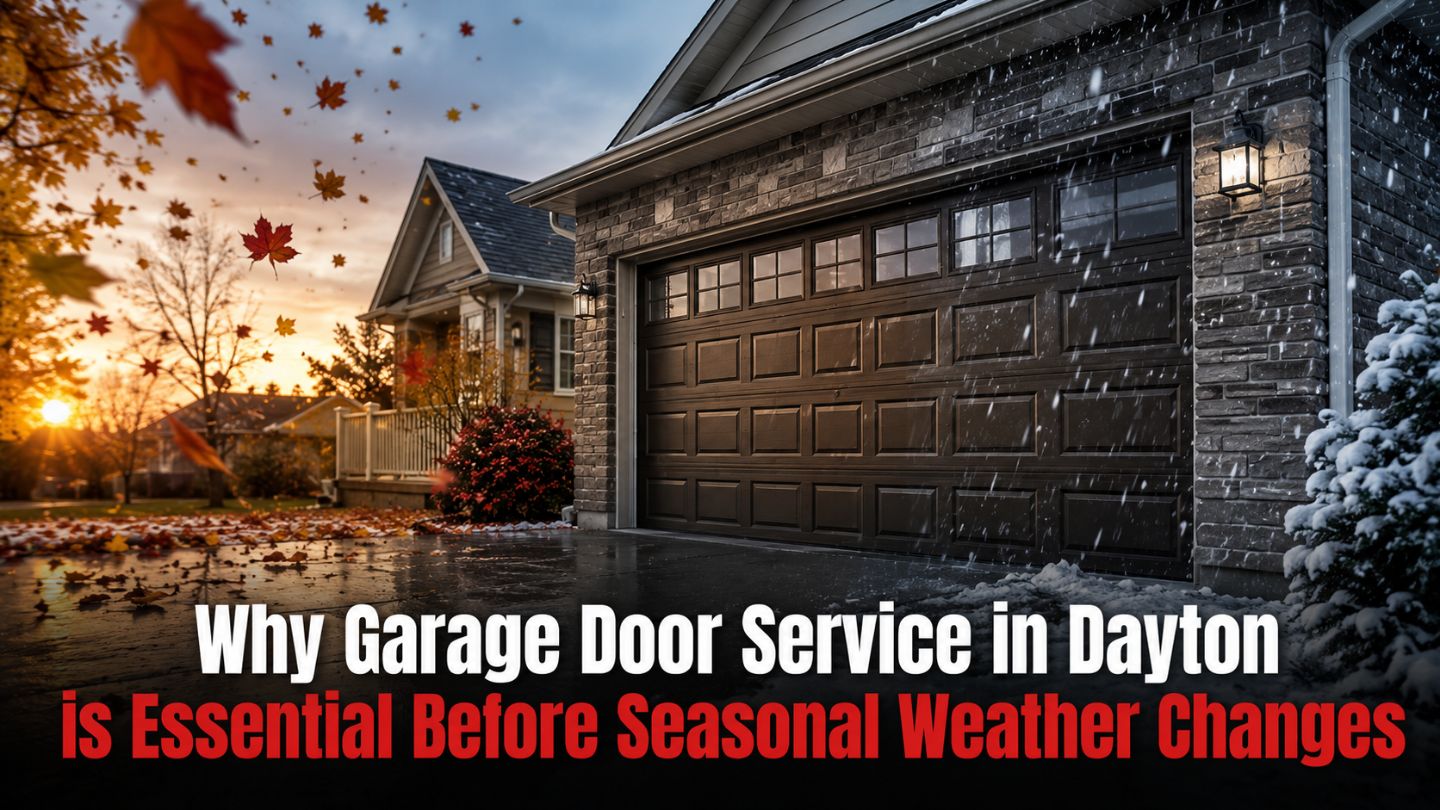
Dayton's weather doesn't ease into new seasons-it crashes through them. One week you're dealing with freezing temperatures, and the next, afternoon highs climb dramatically, putting relentless stress on every moving part of your garage door system. That's exactly why garage door service in Dayton isn't just a good idea before seasonal weather changes-it's essential for keeping your home safe, efficient, and fully operational year-round.
This blog walks you through how Dayton's specific climate conditions wear down garage door components, what proactive seasonal maintenance looks like compared to costly emergency fixes, and why professional garage door repair beats a DIY approach when it comes to preparing for Ohio's punishing weather cycles.
Dayton sits in a humid continental climate zone, meaning residents deal with hot, humid summers and cold winters punctuated by moderate-to-heavy snowfall from November through March. But the real threat to your garage door isn't any single season-it's the transitions between them. Ohio's climate stresses mechanical systems during seasonal changes, and Dayton is no exception.
Temperature swings during spring and fall can shift dramatically within a single day, cycling between freezing nights and warm afternoons. These rapid shifts cause metal components to contract in freezing temperatures and expand in heat, over and over again. That repeated expansion and contraction fatigues springs, loosens hardware, and gradually throws door's tracks out of alignment.
Humidity layers another problem on top. In summer, moisture retention accelerates rust formation on metal parts due to moisture exposure. Wooden garage doors absorb that ambient humidity, causing them to swell and warp-sometimes enough to prevent proper closing, making garage door materials an important consideration for seasonal performance. In winter, snow and ice melt cycles introduce water into seals and panel joints, where it refreezes and causes further structural damage.
Extreme weather shifts affect garage door components in ways most homeowners don't notice until something breaks. Weather seals dry out and crack after cold winters, then UV and summer heat degrade them further. Garage door opener systems strain under the extra load created by stiff, poorly lubricated mechanisms. Safety sensors can misalign when tracks shift from thermal stress. Every season leaves behind cumulative damage that, without timely maintenance, compounds into serious failure.
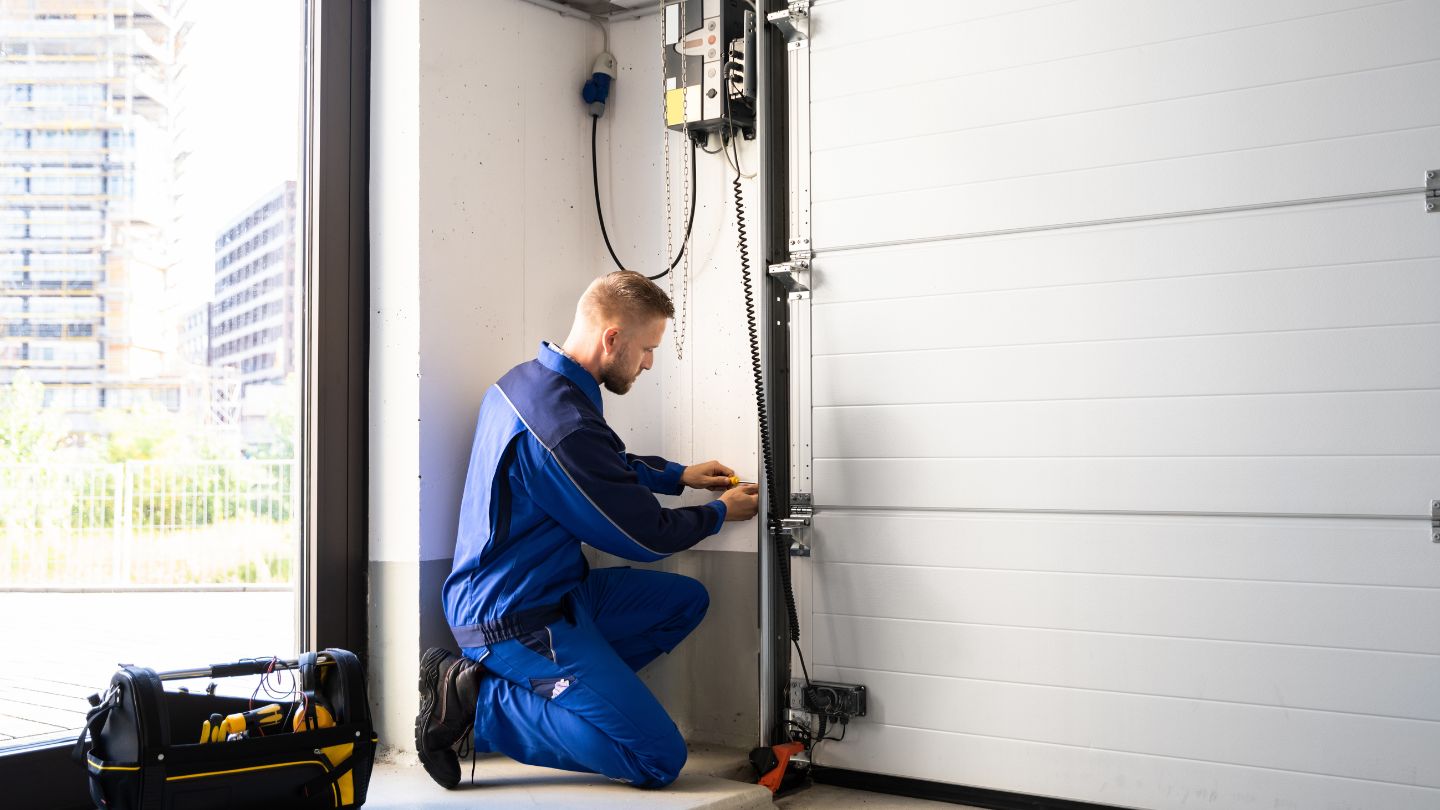
Waiting until your garage door fails during a snowstorm or a heat wave is the most expensive approach to ownership. Emergency garage door repairs during extreme weather carry premium pricing-after-hours surcharges, rush parts orders, and the compounding cost of multiple components failing at once.
Routine maintenance helps prevent costly emergency repairs by catching problems at their earliest, cheapest stage. A pre-season tune-up costs a fraction of what you'd pay for an emergency spring replacement or off-track realignment. More importantly, seasonal service catches worn parts before they fail, meaning you replace a weatherstrip or re-lubricate rollers instead of replacing an entire opener system.
Reactive failures rarely stay isolated. A broken garage door spring changes door balance, which stresses cables and forces the garage door opener to overcompensate. That extra strain can burn out the motor. Misaligned tracks cause rollers to grind unevenly, scoring the track surface and creating a cascade of damage across interconnected components. What starts as a single worn part becomes a full-system problem.
Beyond cost, there's the security and safety risk. A garage door that won't close during a storm leaves your home exposed. A door that drops unexpectedly due to broken springs can damage vehicles or injure family members. Seasonal maintenance improves daily door operation reliability and eliminates those dangerous failure scenarios before they happen.
Preparing your garage door for Dayton's cold winters requires more than a visual once-over. A comprehensive pre-winter service addresses every system that seasonal weather affects, including garage door services in Dayton, OH.
Spring inspection and adjustment tops the list. Cold temperatures make metal brittle, and springs that are already near the end of their cycle life are prime candidates for mid-winter failure. A professional garage door technician measures tension, evaluates wear patterns, and determines whether replacement is needed before the season puts maximum stress on these critical parts. When dual springs are present, both should be evaluated together-they wear at similar rates, and replacing only one creates dangerous imbalance.
Weather seal replacement and insulation checks directly impact your home's safety and energy efficiency. Replacing worn weather seals prevents drafts and moisture from entering the garage, reducing cold air infiltration and lowering energy bills. For insulated garage doors, checking panel insulation integrity ensures that your garage retains heat and protects anything stored inside from freezing temperatures.
Opener motor testing and safety sensor calibration ensures the entire system responds correctly under winter load. Cold weather can thicken lubricants inside the drive mechanism, and photo eye sensors must be properly aligned to prevent dangerous malfunctions. Checking the balance and safety system improves operational safety throughout the season.
Track alignment and roller lubrication round out the service. Smooth operation through winter depends on clean, properly aligned tracks and well-lubricated rollers that won't bind or grind when temperatures drop. A professional inspects for visible rust, bent sections, and roller wear that could cause problems once cold weather arrives.
Read more: Winterizing Your Garage Door: Essential Maintenance Tips
After a Dayton winter, your garage door has endured months of punishment. Spring preparation starts with a thorough post-winter damage assessment-checking every component for the effects of ice, moisture, and sustained cold.
Rust prevention and metal component treatment are top priorities. Moisture from snow and ice melt can leave behind corrosion on springs, hinges, brackets, and tracks. Applying rust inhibitors, replacing corroded hardware, and tightening loose hardware restores structural integrity before increased seasonal usage.
Safety system testing is critical in spring. After months of thermal stress and potential track shifting, safety sensors may have drifted out of alignment. Testing the auto-reverse function, photo eye sensors, and overall door balance ensures the system operates safely for the busier months ahead. Regular inspections can reduce repair frequency significantly over time.
Dayton's spring storm season brings high winds and heavy rain. Ensuring wind-strut strength, verifying door anchoring, and confirming that weather seals are intact prepares your garage door to withstand severe weather. High humidity can cause wooden doors to swell and warp, so spring is also the right time to inspect wooden garage doors and wooden doors of all types for moisture damage and treat or seal them as needed.
Maintaining seals improves energy efficiency in extreme weather-and as temperatures rise into summer, properly sealed doors keep conditioned air in and hot air out, managing cooling costs effectively.
Read more: How to Choose a Wind-Resistant Reinforced Garage Door?
There's a clear line between what homeowners can safely handle and what requires a professional garage door repair technician. Understanding that line protects your safety, your warranty, and your wallet.
Safety risks of handling high-tension springs and heavy door panels are real and serious. Garage door springs store enormous force. A spring that snaps during an amateur adjustment can cause severe injury. Cables under load, heavy panels, and internal components that require disassembly all demand professional handling. These are not routine maintenance tasks-they're specialized repairs requiring training and proper equipment.
Specialized tools and expertise are what separate a professional inspection from a homeowner walkthrough. Technicians understand how seasonal weather patterns influence component wear specific to the Dayton region. They follow safety standards like ANSI/UL 325 provisions and can identify hidden damage in door balance, spring tension, and opener calibration that visual inspection alone won't reveal.
Warranty protection and guaranteed workmanship come standard with licensed professional garage door service. DIY repairs on critical components can void manufacturer warranties, leaving you uncovered when something goes wrong. Professional service comes with guarantees that protect your investment.
Comprehensive system evaluation goes beyond basic tasks. A professional doesn't just lubricate rollers-they evaluate the entire system as an interconnected unit. They assess how spring condition affects opener load, how track alignment impacts roller wear, and how seal condition influences energy efficiency. This holistic approach is what keeps your system running smoothly through every seasonal shift.
Homeowners absolutely can-and should-handle routine service tasks: listening for noisy operation, cleaning photo eye sensors, visually checking weather seals, and keeping tracks clear of debris. These everyday convenience checks help catch small problems early between professional visits. But when it comes to annual tune-ups, spring adjustments, opener calibration, and anything involving tension-loaded parts, a garage door professional is the only safe choice.
Read more: How Regular Maintenance from a Garage Door Professional Can Extend Its Life
Seasonal weather changes can put extra strain on garage doors, from temperature fluctuations and moisture to strong winds and freezing conditions. Scheduling timely maintenance helps identify worn components, improve reliable operation, and reduce the likelihood of unexpected breakdowns. Taking care of minor issues before severe weather arrives can also help keep your home secure and accessible.
Dayton Door Sales provides dependable garage door service in Dayton with experienced technicians supporting both residential and commercial needs. We can help with garage doors, openers and accessories, as well as entry and patio doors, providing professional service and installation backed by decades of experience. Contact us today to schedule service or request an installation estimate and prepare your doors for the changing seasons.
The best times to schedule seasonal maintenance are early fall (before freezing temperatures set in) and early spring (after winter weather subsides). These windows give technicians time to address seasonal wear and prepare your system for the demands of the upcoming season.
Dayton's frequent temperature swings cause the most cumulative damage. Freeze-thaw cycles stress metal components, humidity causes wooden doors to swell and warp, and ice buildup can obstruct garage door movement entirely. The rapid transitions between seasons-not just the extremes themselves-create the heaviest toll on garage door performance.
Seasonal service catches worn parts before they fail under stress. A technician identifies weakened springs, deteriorating weather seals, misaligned tracks, and struggling openers-all issues that would otherwise fail during the worst possible moment. Addressing these during a scheduled visit eliminates the emergency surcharges and cascading damage of a mid-storm breakdown.
Avoid adjusting or replacing garage door springs, cables, or any tension-loaded parts. These require specialized tools and training to handle safely. Also avoid adjusting opener force settings or attempting track realignment without professional guidance. Stick to visual inspections, cleaning sensors, and basic lubrication for safe DIY routine maintenance.
Garage doors should be professionally serviced at least once a year, though Dayton's demanding four-season climate makes twice-yearly service-before winter and after winter-the recommended approach. This schedule directly addresses seasonal shifts and keeps your door operating reliably through both extremes.
Watch for unusual noises like grinding or squeaking, slow or uneven opening, a door that feels heavier than usual when lifted manually, visible rust on metal parts, cracked or brittle weather seals, and any change in how smoothly the door opens and closes. These are all warning signs that components need attention before the next seasonal change puts them under greater stress.
.jpg)


