
Contact Dayton Door Sales Today!
Thank you! Your submission has been received!
Oops! Something went wrong while submitting the form.

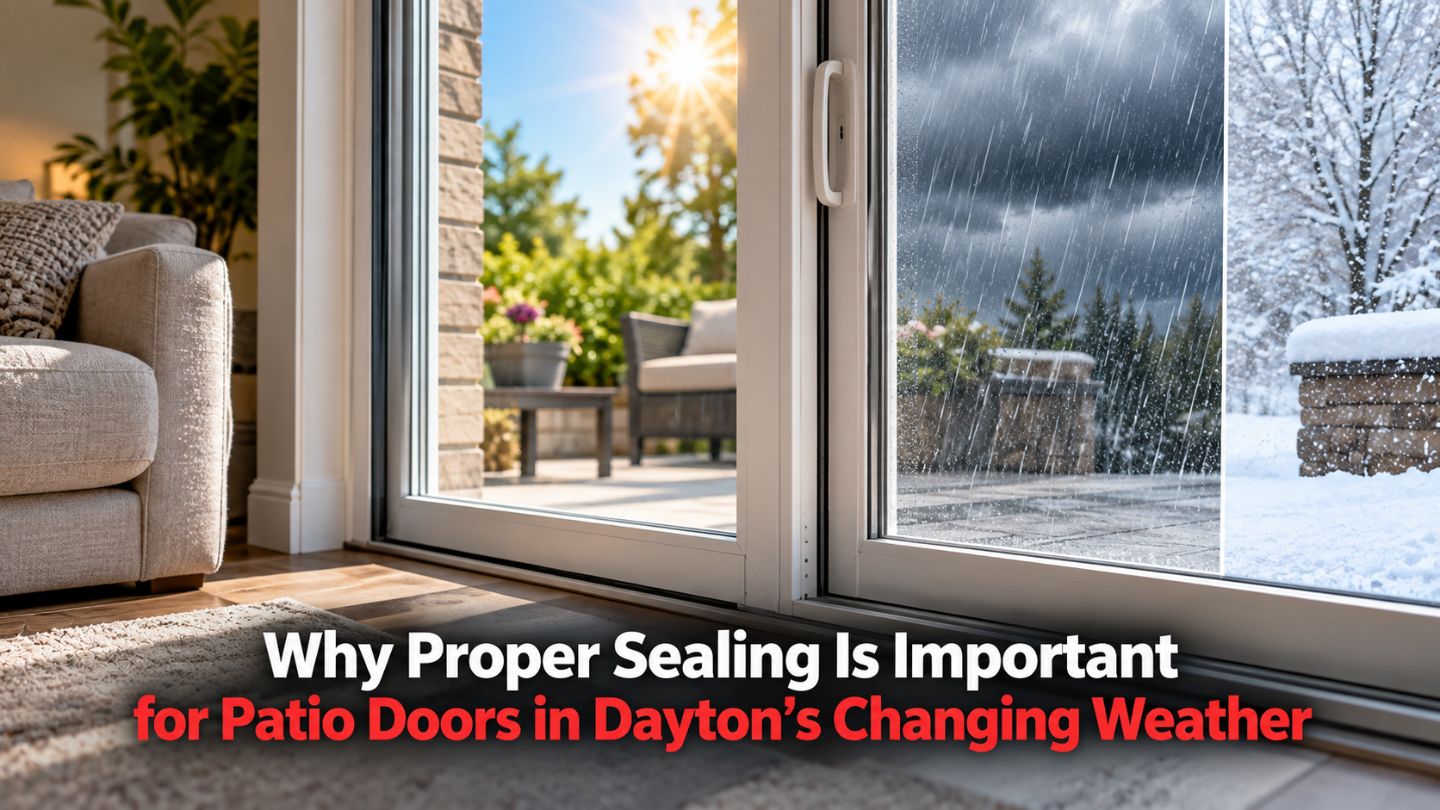
Dayton's weather can swing from freezing mornings to mild afternoons within the same week, and that rapid shift puts direct stress on every seal around your patio door. Understanding why proper sealing is important for patio doors in Dayton's changing weather starts with a simple fact: proper sealing for patio doors is vital in four-season climates. When those seals fail, cold air pushes in during winter, warm air escapes year-round, and moisture finds paths into your walls and flooring.
This blog covers how local weather conditions wear down patio door seals, what that means for comfort and energy efficiency in your home, how moisture damage develops, and what you can do to maintain or restore a tight barrier. Whether you have sliding patio doors, hinged entry-style units, or older glass panels, the principles apply. You will also learn when a repair is enough and when replacement is the best option.
Dayton sits in a humid continental climate zone with cold winters, humid summers, active spring storm seasons, and fall temperature swings that repeat year after year. Patio doors can create cold spots in a house during the winter, and in summer, heat and humidity press against glass and frame materials from the outside. These opposing forces make sealing a year-round concern rather than a seasonal afterthought.
Frame materials respond differently to this climate. Wood absorbs moisture, swells, and can warp if exterior coatings are not maintained. Vinyl is cost-effective and low-maintenance, but it expands in heat and contracts in cold, stressing seal compression over time. Fiberglass holds its shape through freeze-thaw cycles more reliably, preserving seal alignment longer. Aluminum conducts temperature rapidly, which can accelerate condensation and seal fatigue at contact points. Choosing the right type of patio door matters as much as the seal material itself. Comparing the different types of patio doors for your home can help you select an option that suits your home's layout, appearance, and functional needs.
Wind load resistance also plays a role. Dayton's open terrain allows strong gusts during spring and fall storms to push outdoor air and moisture through any tiny opening around the door. Here are the specific weather patterns that stress patio door seals most in Ohio:
Most air leaks and water infiltration around sliding glass doors or hinged patio doors occur at a few predictable spots. Knowing where to look makes inspection straightforward.
Homeowners can often detect these trouble spots by running a hand along the edges of a closed door on a breezy day or looking for visible light along the bottom track.
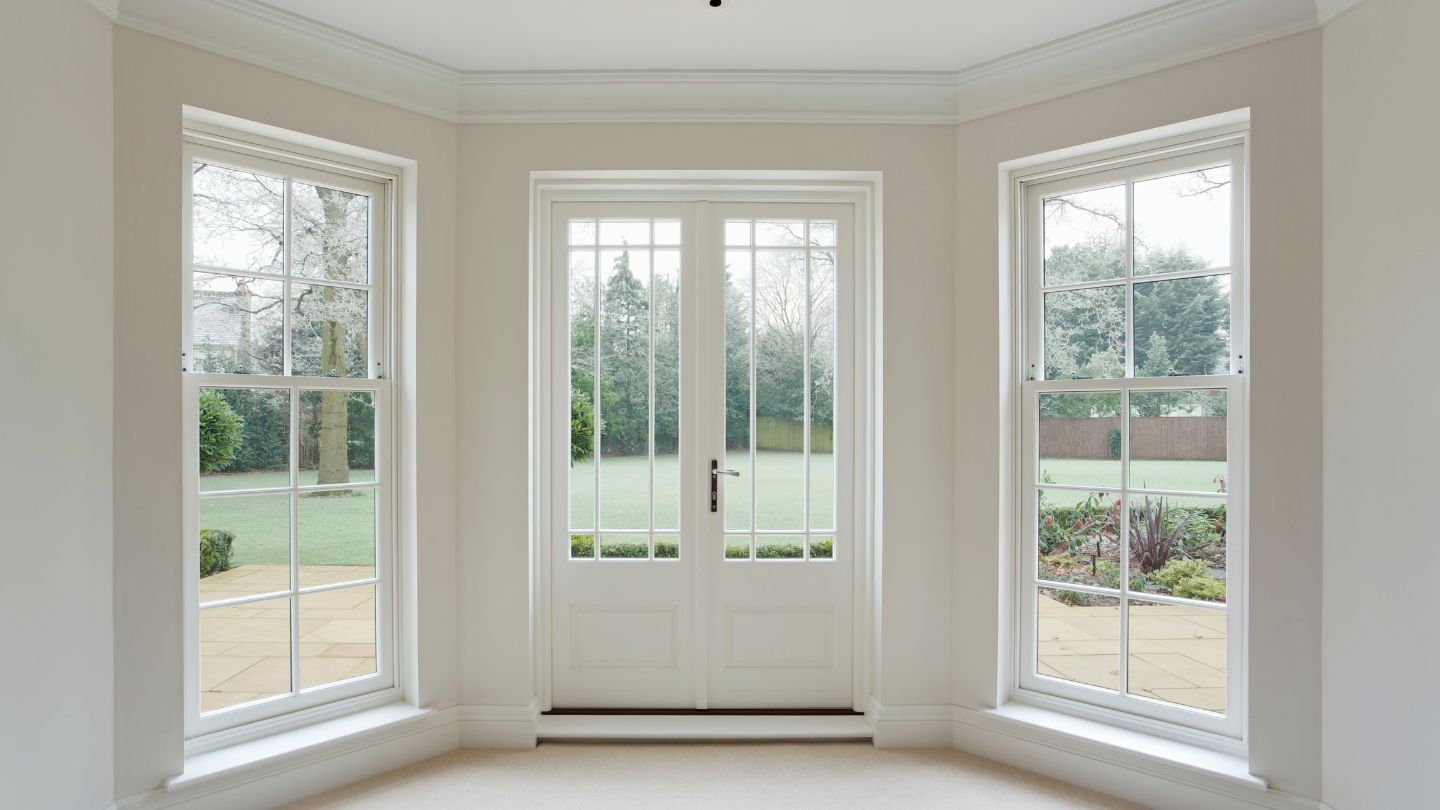
Poorly sealed patio doors allow conditioned indoor air to escape, forcing heating and cooling systems to work harder to maintain comfortable room temperatures. In winter, cold air slips in through gaps, creating cold spots near the door. In summer, warm air and humidity enter the same way, making the area near the patio feel muggy even when the system is running.
Doors and windows can account for up to 30% of energy use in a home. A drafty patio door could cost hundreds in wasted energy over a single heating or cooling season, and that expense compounds year after year. Proper weatherstripping reduces energy waste by keeping outdoor air from entering through sliding doors and hinged units alike. Weatherstripping helps maintain consistent indoor temperatures throughout your living space. When considering door styles, comparing sliding vs. bifold patio doors can help you determine which configuration works better for your available space and everyday use.
Here is how proper seals improve daily comfort and energy efficiency:
You do not need special equipment to identify sealing problems. Pay attention to what you feel and see near the door during Ohio's more extreme weather days.
Test during a cold morning or a hot afternoon for the clearest results. If several of these signs appear together, the patio door sealing needs attention before the next season shift arrives.
Dayton's annual rainfall and snowfall drive moisture toward patio doors, especially on patios, decks, and concrete slabs that slope toward the house. Failed seals can allow water intrusion, leading to structural damage that is expensive to repair and disruptive to fix.
When water seeps past the threshold or through cracked caulk joints, it reaches the subfloor, framing, and interior finishes. Over time, wood framing softens, metal fasteners corrode, and organic materials become substrates for mold growth. Moisture can damage frames if weatherstripping is not maintained, and the damage often progresses for months before visible signs appear.
Caulking around the frame prevents air leaks and moisture from reaching the building envelope. A continuous seal barrier keeps water on the exterior surface where it belongs. Good seals deliver specific protection:
Catching moisture problems early is especially important during Ohio's wet spring and fall seasons, when heavy rain and snowmelt occur in quick succession.
Check these signs after heavy spring or fall storms. If you notice recurring moisture, the seal system needs more than a surface wipe; it needs professional sealing or component replacement.
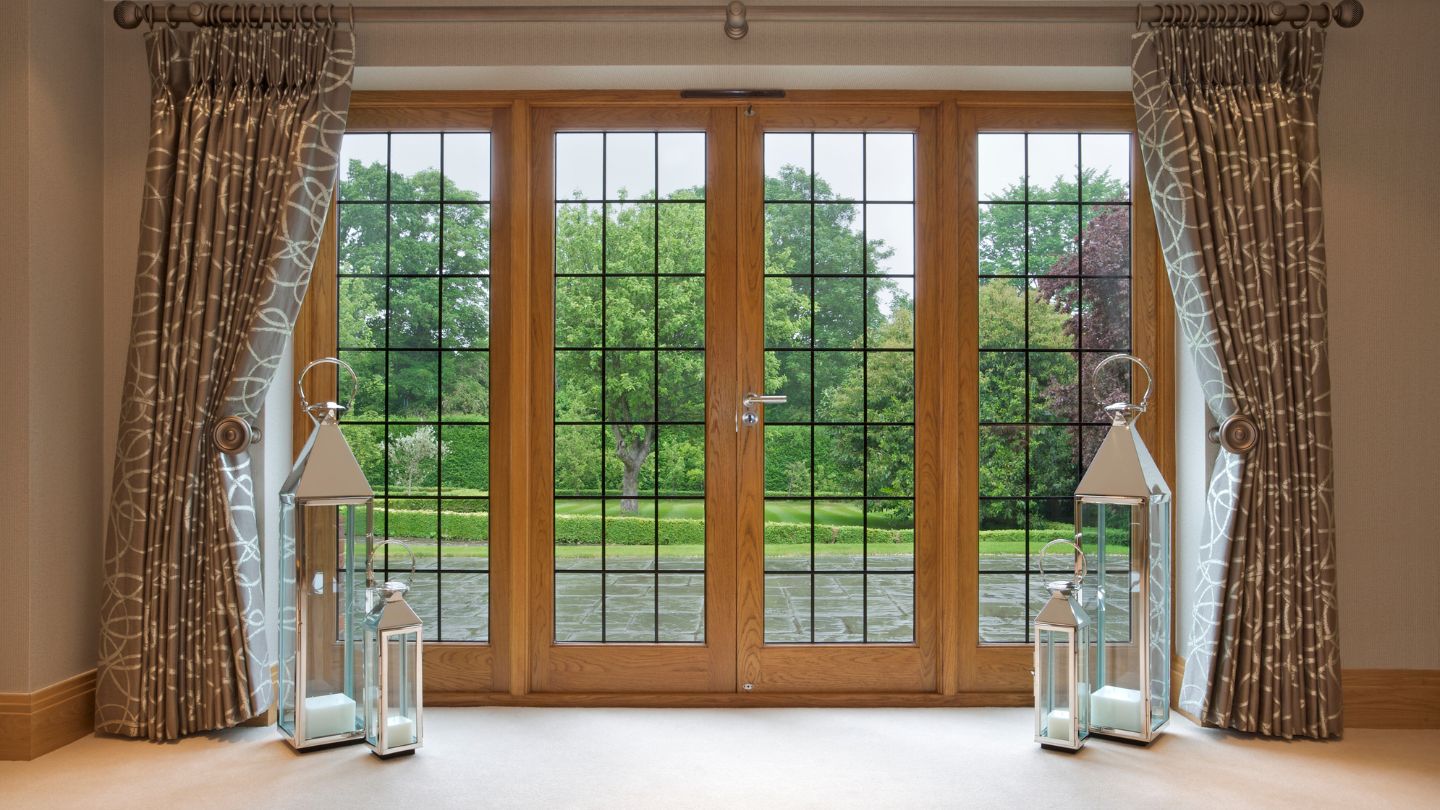
Sealing is not a standalone task. It is part of the complete system that includes frame, glass, hardware, tracks, and rollers. Each component relies on a good barrier to perform its function in Ohio weather. Quality seals extend the lifespan of patio doors and frames by keeping the destructive combination of water, air, and temperature away from vulnerable materials.
Uncontrolled moisture corrodes metal hardware and fasteners, swells wood components, and breaks down finishes. UV exposure hardens weatherstripping and bottom sweeps, which then crack during the next cold snap. Replacing worn weatherstripping can restore a tight seal before these cascading failures develop. Investing attention in sealing helps avoid more disruptive repairs or early door replacement.
Long term performance benefits of maintained seals include:
Gaps around a patio door do more than let air and water through. These gaps can also affect home security, which is why understanding how to enhance home security with patio doors in Dayton is an important part of choosing and maintaining a patio door. They can affect how well the door locks and moves on its track, creating a security concern that many homeowners overlook.
Minor seal maintenance solves most seasonal issues. Replacing worn weatherstripping, reapplying caulk, or cleaning tracks are straightforward tasks. The question of replacement comes up when multiple components fail at the same time or when the door frame itself has deteriorated.
Repeated drafts, visible water intrusion, or difficulty closing and locking the door signal deeper issues. Here are scenarios that call for professional evaluation:
If you are unsure whether your door needs repair or replacement, a professional assessment clarifies the scope of work. Doors that are otherwise structurally sound often benefit from new weatherstripping, upgraded thresholds, and fresh caulk. Doors with frame damage, persistent leaks, or hardware failure may suit a complete replacement that brings modern sealing technology and better long-term performance.
Partnering with a nearby door specialist familiar with Ohio weather simplifies the process and ensures the solution fits the climate. A professional visit typically includes:
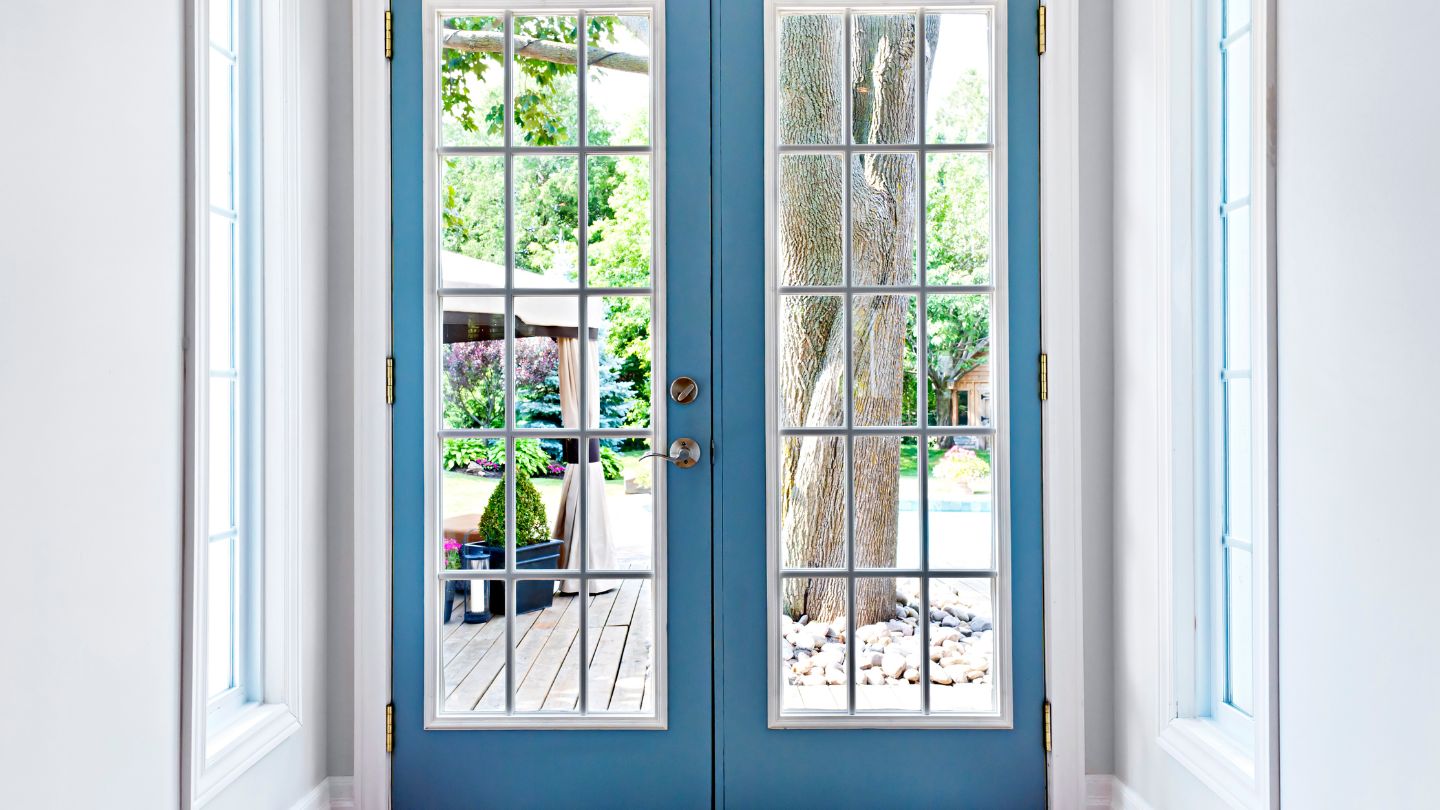
Proper sealing is essential for patio doors in Dayton, where changing temperatures, humidity, rain, snow, and wind can challenge your home's comfort and efficiency. A well-sealed patio door helps limit drafts, moisture intrusion, and energy loss while protecting surrounding materials from weather-related damage.
Dayton Door Sales can help homeowners find dependable patio doors in Dayton designed for lasting performance through changing weather. We provide service and repair, openers and accessories for garage doors, and residential and commercial solutions to meet different property needs. Reach out to us today to discuss your patio door needs and take the next step toward a more comfortable, weather-protected home.
Look for drafts near the door on cold mornings, visible light along the edges when the door is closed, or moisture on interior surfaces after storms. Worn weatherstripping often appears cracked or flattened. Testing on a windy Ohio day makes these symptoms easier to detect.
The bottom threshold or track, corners of the frame, the point where fixed and sliding panels meet, and exterior caulk lines where the door meets siding, brick, or concrete. These areas experience the most stress from Ohio's temperature swings and precipitation.
Simple cleaning, debris removal, and minor caulk touch-ups are homeowner-friendly tasks. Alignment issues, recurring leaks, or persistent drafts indicate problems that require professional sealing and adjustment by a door specialist familiar with Ohio conditions.
Check seals at least twice per year: before winter and after the heavy spring rains typical in Ohio. Inspect again after severe wind or storm events. Catching small issues early prevents them from developing into larger repair needs.
Not always. Many issues are resolved with new weatherstripping, fresh caulk, or hardware adjustments. Older or structurally damaged doors may benefit from replacement, and a professional inspection confirms which approach suits your situation.
Modern sliding patio doors and hinged patio door units are designed with multiple seal contact points, durable frame materials like fiberglass or clad composites, and built-in drainage features. When properly installed and maintained, these doors handle Dayton's temperature swings and deliver natural light without sacrificing protection.
.jpg)


