
Contact Dayton Door Sales Today!
Thank you! Your submission has been received!
Oops! Something went wrong while submitting the form.

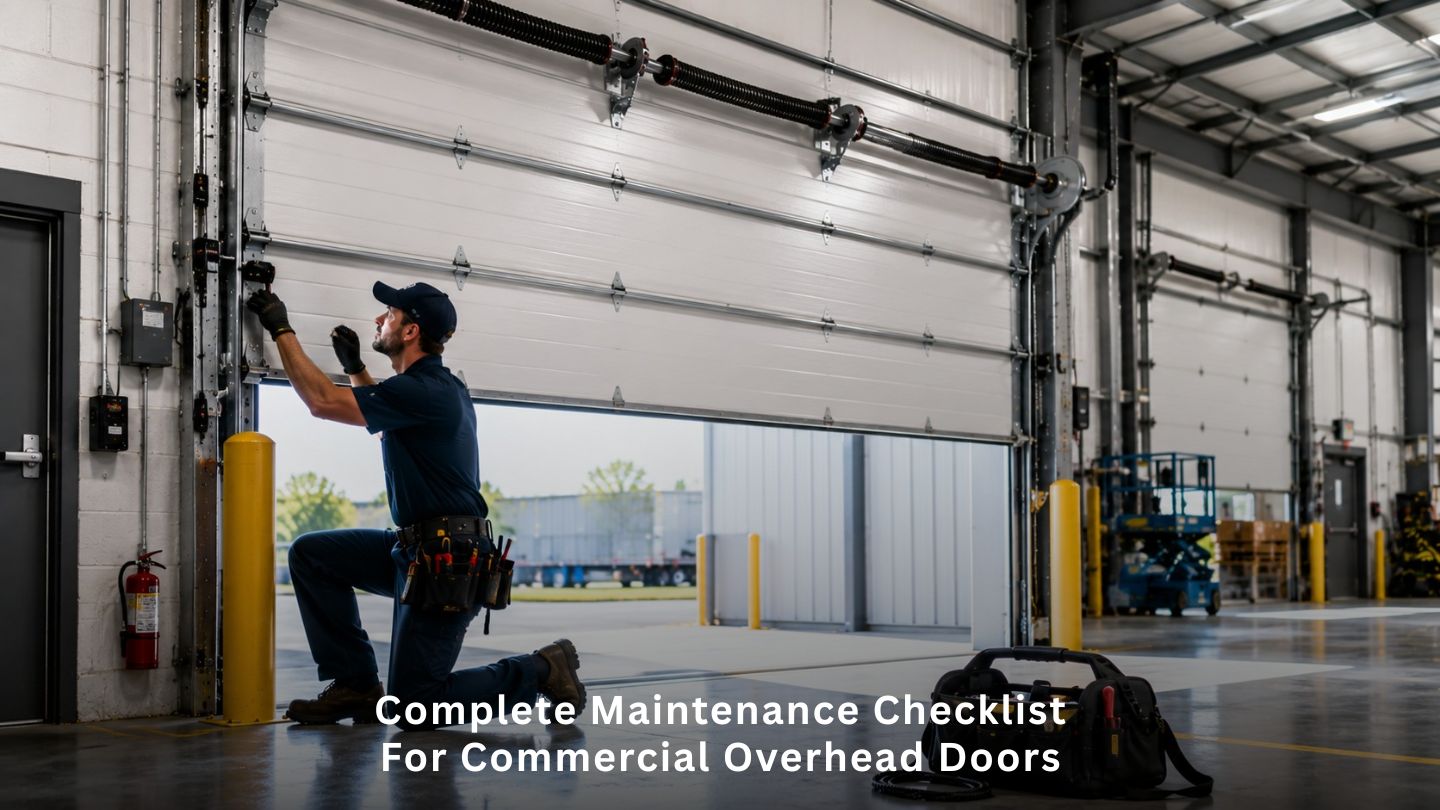
Commercial overhead doors are critical to the daily flow of warehouses, distribution centers, retail facilities, and manufacturing operations, yet they often go unnoticed until a failure disrupts everything. A door malfunction during a peak shipping window can bring operations to a standstill, create safety risks for employees, trigger costly emergency repairs, and lead to unnecessary downtime that impacts productivity and revenue.
A structured maintenance checklist for commercial overhead doors helps prevent these disruptions by identifying wear, damage, and performance issues before they escalate into major failures. From routine visual inspections and lubrication to scheduled safety testing and professional servicing, consistent maintenance helps extend equipment lifespan, improve reliability, and support safe day-to-day operations.
Whether you manage rolling steel doors, sectional overhead doors, high-speed doors, or fire-rated assemblies, this blog outlines practical daily, monthly, quarterly, and annual maintenance tasks to help keep your commercial door systems operating safely, efficiently, and with minimal interruption.
A consistent preventative maintenance program can reduce emergency repair costs by 30%, and daily observation forms the foundation of this approach. Every time your commercial door opens and closes, watch for smooth, even motion without jerking or binding. Listen carefully for unusual sounds, grinding, squealing, or popping noises that signal developing problems with rollers, springs, or tracks that need attention before they escalate into costly repairs.
Visual inspections should examine the entire door for obvious damage, including dents, cracks, or rust on door panels. Check that the door stops at the correct positions and that the operation speed remains consistent. Weekly, expand your inspection to include tracks for debris buildup, cables for fraying, and all visible hardware for looseness or wear to avoid common overhead garage door problems.
A garage door that fails unexpectedly can pose serious safety risks, including the potential for injury from falling components or malfunctioning mechanisms, highlighting the importance of routine safety checks.
Systematic visual assessment starts at the floor and works upward. Examine the bottom seal for proper contact with the ground; gaps allow dust, debris, and weather infiltration that reduce energy efficiency and accelerate component wear. Check rollers for signs of wear, such as cracks or chips, and verify they roll smoothly within tracks without wobbling.
Inspect cables along their entire length for fraying or kinking; frayed cables under extreme tension represent serious safety hazards. Look for loose hardware, including bolts on hinges, roller brackets, and track mounting points. Rust or corrosion on any metal components warrants immediate documentation for trending and potential repair scheduling.
Warning signs requiring immediate professional service include visible cable damage, springs showing gaps or deformation, tracks bent more than one-quarter inch from vertical, or any door that won’t stay open when manually raised to mid-height.

Monthly maintenance focuses on safety device testing and detailed component inspection. Modern commercial garage doors are equipped with auto-reverse safety features that prevent injury by automatically reversing the door if it detects an obstruction during closing. Test photo eye sensors by blocking the beam while the door closes; the door should automatically reverse direction. Clean sensor lenses with a soft cloth to remove dust that can impair function.
Regular testing of safety features, such as photo-eye sensors and the manual emergency release function, is essential to ensure they are functioning correctly and can prevent accidents. Document test results each month to demonstrate compliance and identify any degradation patterns.
Quarterly, perform comprehensive lubrication of all moving parts. Lubricating the moving parts of commercial overhead doors, including hinges, rollers, and springs, is essential to reduce noise and prevent rust and should be done approximately twice a year. Use silicone-based spray or white lithium grease on roller bearings, hinges, pivot points, and springs. Never apply lubricant directly to tracks; keep tracks clean and dry.
Conduct a balance test quarterly by disconnecting the opener and manually raising the door. A properly balanced door should stay in place at mid-height. If it drifts up or down, springs likely need professional adjustment.
Inspecting the weatherstripping on commercial overhead doors is crucial, as it can become cracked or brittle over time, leading to poor insulation and exposure to the elements; replacement is necessary if it no longer forms a tight seal.
Read More: Top Signs Your Commercial Sectional Door Needs to Be Replaced
Never attempt to adjust tension springs or cables without professional training, as these components are under extreme pressure. A garage door that fails unexpectedly can lead to serious safety risks, including the potential for injury from components under tension, such as extension springs. Spring adjustment is extremely dangerous and accounts for approximately 28% of premature door failures when performed incorrectly. Following a proper commercial garage door guide can help property owners understand when professional service is necessary and how to maintain safe door operation.
Using general-purpose penetrating oils like WD-40 instead of proper lubricants damages components over time. These products strip protective coatings and attract dirt, accelerating wear rather than preventing it. Stick to formulated garage door lubricants designed for the task.
Over-lubrication creates its own problems; excess lubricant collects debris and dust that becomes abrasive, damaging the very components you’re trying to protect. Apply thin, even coats and wipe away any drips or pooling.
Read More: How to Lubricate Your Garage Door Properly During Dayton’s Cold Weather
Professional inspections are recommended every 6 months to ensure compliance with safety standards, with annual inspections required by OSHA and NFPA standards. For fire-rated commercial doors, NFPA 80 mandates a comprehensive annual inspection, including verification of labels, glazing integrity, proper clearances, self-closing and latching mechanisms, and hardware condition.
Rolling fire doors require drop testing to verify automatic closing functions operate correctly. Technicians must inspect fusible links, release mechanisms, and ensure the door achieves full closure without assistance. Documentation must include inspector identification, detailed findings, and any remediation performed.
Regular maintenance can extend a door’s lifespan by up to 50%, making professional service an investment rather than an expense. Qualified technicians examine bracket mounting, cable tension, spring condition, motor and operator components, limit switches, and structural integrity that facility staff cannot safely assess.
Neglecting regular garage door inspections can lead to unexpected failures, which may cause injuries, operational disruptions, and potential liability claims for businesses, underscoring the benefits of using a commercial garage door repair service. A comprehensive maintenance checklist should prioritize safety, security, and operational longevity.
Routine inspections help identify issues such as frayed cables, loose hardware, and worn weatherstripping, which can prevent costly repairs and enhance safety. Select the best garage door service in Dayton, Ohio, with documented certifications, proper insurance, and experience with your specific door types.
Read More: The Importance of Professional Garage Door Inspections
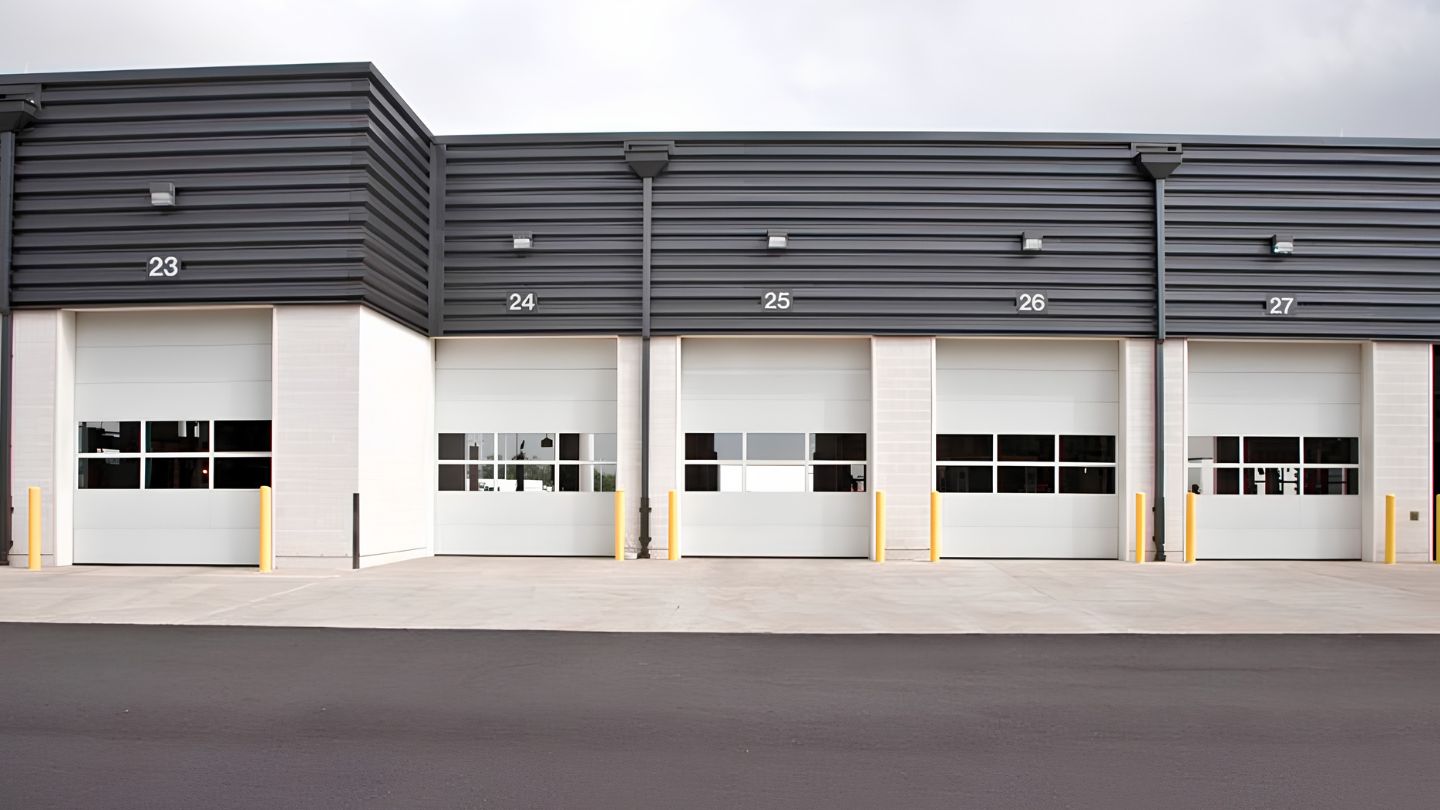
Regular maintenance for commercial overhead doors is essential for ensuring workplace safety, preventing unexpected breakdowns, and extending the lifespan of your door system. Following a proper maintenance checklist helps businesses avoid costly repairs, improve operational efficiency, and maintain secure access for employees, equipment, and daily operations while complementing smart commercial garage door size and type selection.
Dayton Door Sales provides trusted commercial overhead door service in Dayton, helping businesses maintain reliable and secure door systems. We offer residential, commercial, openers, and accessories for garage doors, and entry and patio doors tailored to your property’s needs. Contact us today to schedule professional maintenance and keep your overhead doors performing at their best!
Professional inspections are recommended every 6 months for standard commercial doors, with annual inspections required by OSHA and NFPA standards for fire-rated assemblies. High-cycle doors operating 50 or more times daily may benefit from quarterly professional service to address accelerated wear on key components.
Watch for unusual noise during operation, visible frayed cables, doors that drift when manually positioned at mid-height, tracks bent more than one-quarter inch from vertical, or safety features that fail testing. Any of these signs indicates potential safety hazards requiring prompt professional attention.
Yes, facility staff can and should perform monthly testing of photo eye sensors and auto-reverse mechanisms as part of regular inspections. However, any adjustments to garage door springs, cables, or tension systems should only be performed by trained technicians due to extreme tension hazards.
Use silicone-based spray or white lithium grease specifically formulated for garage doors. Lubrication of moving parts such as hinges, rollers, and springs should be performed at least twice a year to ensure smooth operation and reduce wear. Avoid penetrating oils like WD-40 that strip protective coatings and attract debris.
Fire-rated doors must receive annual NFPA 80 inspections, including verification of labels, glazing, clearances, self-closing mechanisms, and latching hardware. Rolling fire doors require drop testing to confirm automatic closing operation. All inspection findings must be documented with the inspector's identification and remediation records.
.jpg)


