
Contact Dayton Door Sales Today!
Thank you! Your submission has been received!
Oops! Something went wrong while submitting the form.


Your garage door is likely the largest moving component in your home, and one of the hardest working. The average residential garage door opens and closes over 1,500 times per year, serving as the primary entry point for many families. Despite this constant use, most homeowners only call for service after the door jam comes off track or the automatic opener system fails completely.
This blog focuses on practical, real-world benefits: safety, cost savings, energy efficiency, and long-term reliability. We’re writing from the perspective of experienced garage door professionals who perform inspections on modern garage door systems, older overhead doors, and everything in between.
A professional garage door inspection is a structured, step-by-step evaluation of the entire system, not just a quick glance at the door panels. Trained technicians examine every component that affects the door operating smoothly and safely.
Here’s what a thorough garage door inspection includes:
|
Component |
What Technicians Check |
|
Torsion or Extension Springs |
Rust, cracks, gaps, uneven tension |
|
Lift Cables |
Fraying, slippage, proper tension |
|
Rollers |
Smoothness, wear, flat spots |
|
Tracks |
Alignment, bends, debris buildup |
|
Hinges and Brackets |
Looseness, cracks, and proper mounting |
|
Door Panels |
Dents, warping, and structural integrity |
|
Weatherstripping |
Gaps, brittleness, and seal condition |
|
Automatic Opener |
Motor function, drive system, mounting |
|
Safety Sensors |
Photo-eye alignment, wiring, and response time |
|
Wall Controls and Remote Controls |
Signal strength, battery condition |
During the inspection, professionals visually check for cracks, rust, fraying, bending, and fatigue. They also listen carefully during test operation for grinding, squealing, or banging sounds that indicate developing problems.
One essential test involves checking door balance by disconnecting the opener and manually lifting the door to see if it stays in place at mid-height. If it doesn’t, there’s likely a spring or weight issue that needs attention.
Safety tests are equally important. Technicians verify photo-eye alignment, run an obstruction test, confirm the auto-reverse force settings work correctly, and ensure the manual release function operates properly for power outages.
The inspection typically ends with a clear, written summary of findings and prioritized recommendations—what needs immediate attention versus what to monitor over the next 6–12 months.
Garage door mechanisms like springs and cables operate under extreme tension. These parts often fail internally well before any obvious signs appear to homeowners. That’s what makes regular inspections so valuable—they catch problems you can’t see.
Technicians look for early indicators of failure, including:
A misaligned door or uneven door travel often signals more serious structural or hardware problems. Left unchecked, these issues can cause the door to jam completely or come off track—creating a safety hazard and requiring expensive repairs.
Seasonal temperature swings accelerate these problems. Freezing winters and hot summers cause metal fatigue, and wood or steel doors can warp over time. If you live in a climate with significant temperature variation, routine inspections become even more important, especially if you’ve ever found yourself wondering why your garage door won't open during extreme weather changes.
Catching minor issues at this stage usually means quick, relatively inexpensive adjustments or part replacements—far better than dealing with a full system overhaul after a major failure.
Read More: What to Do When a Garage Door Spring Breaks? Quick Solutions and Safety Tips
A standard residential garage door can weigh 150 to 300 pounds or more. When most garage doors move, they carry significant momentum. Uncontrolled movement can cause serious injury to people and pets, or damage vehicles and property.
Professional inspections directly address potential safety hazards:
This focus on ensuring safety is one of the primary reasons professional garage door services are so important. The safety benefits extend to everyone who uses your garage.
Read More: Understanding the Dangers of DIY Garage Door Repair
Most major garage door repairs—spring replacements, panel replacement, opener replacement—stem from issues that started small months or even years earlier. A professional garage door inspection catches these problems before they escalate.
Here are examples of minor problems that routine inspections identify:
During an inspection, technicians address these by tightening hardware, applying proper lubrication, and realigning components. These simple steps prevent the misalignment that otherwise leads to broken springs, stripped gears, or damaged door panels.
Consider the cost comparison:
|
Issue |
Proactive Fix Cost |
Neglected Repair Cost |
|
Worn rollers |
$50–150 |
Off-track door repair: $300+ |
|
Fraying cable |
$100–200 |
Complete cable failure: $400+ |
|
Spring adjustment |
$75–150 |
Broken springs replacement: $200–500 |
|
Minor track alignment |
Included in tune-up |
Major track damage: $200–400 |
|
Opener tune-up |
$75–150 |
Burned-out motor: $300–600 |
Preventative maintenance costs far less than emergency repairs. And beyond direct repair costs, avoiding a stuck door on a weekday morning or a complete failure during bad weather provides valuable peace of mind.
The importance of professional garage door maintenance extends to protecting both the functionality and your budget. Regular professional inspections truly pay for themselves over time through cost savings.
Your garage is often attached directly to living spaces, which means temperature swings in the garage can influence your home’s energy efficiency and heating and cooling costs. Improving insulation and sealing performance connects directly with how to make your garage doors more energy efficient for better temperature control and reduced energy loss.
During inspections, professionals check:
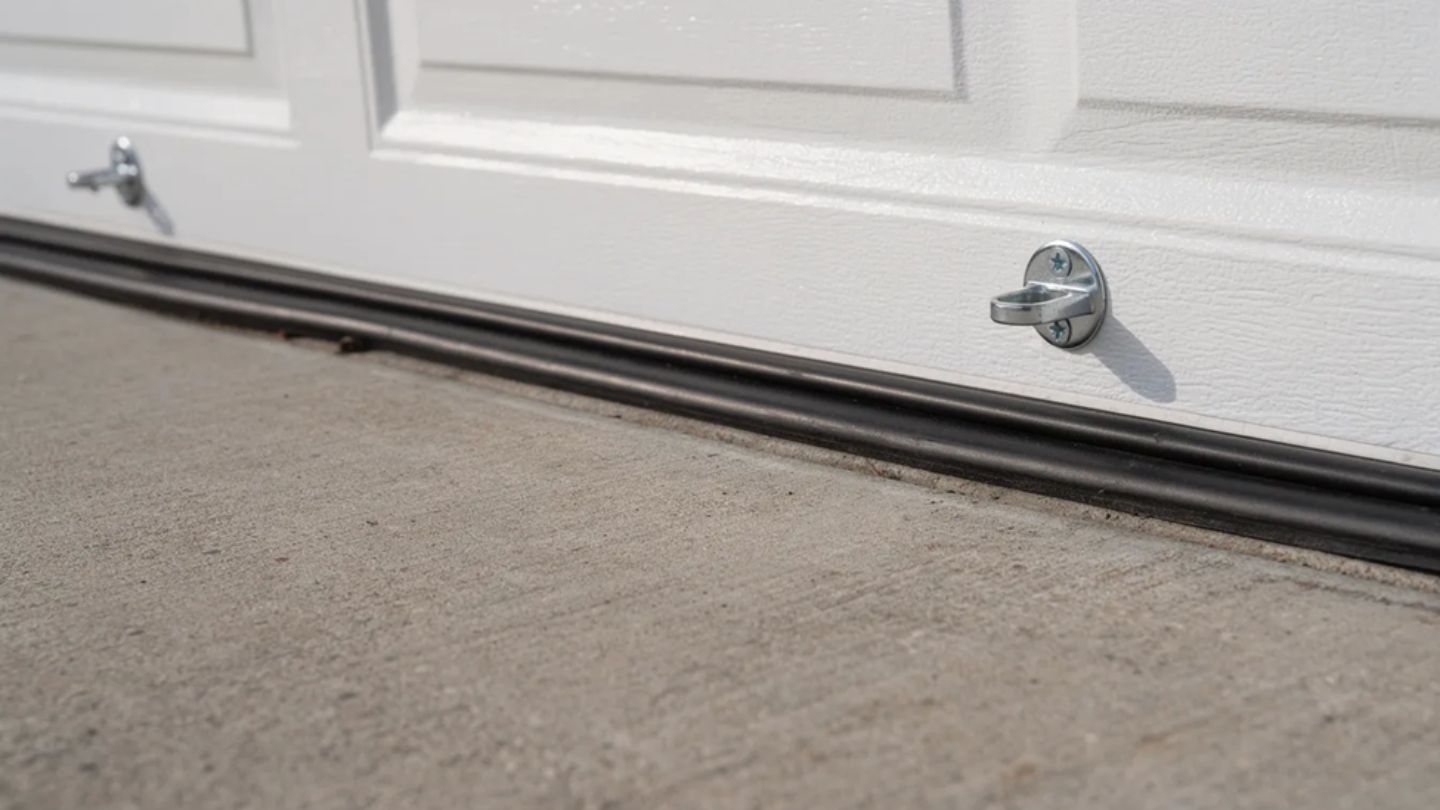
Worn weatherstripping allows drafts, dust, insects, and moisture to enter your garage. Replacing damaged seals and ensuring the door closes flush helps maintain consistent temperatures inside.
A well-sealed and properly aligned door helps your HVAC system run more efficiently, reducing energy costs, especially during extreme summer heat or winter cold. This improvement in energy efficiency benefits both your comfort and your utility bills.
There’s also a noise reduction benefit worth mentioning. Insulated, properly maintained doors often operate more quietly and block more street noise from entering your home. A door that provides seamless operation and quiet performance makes daily life more pleasant.
Major components like torsion springs are rated for a specific number of cycles—typically 10,000 to 20,000 cycles for standard springs. With an average door cycling 1,500 times per year, even quality components experience significant wear over time. Proper professional maintenance helps them reach or exceed their rated lifespan. Understanding how regular maintenance from a garage door professional can extend its life reinforces why consistent inspections significantly increase long-term system durability.
Here’s how professional inspections extend the door’s lifespan:
With regular maintenance and minor part replacements when needed, many doors and openers function reliably well beyond their basic warranty periods. A standard 10-15 year component lifespan can be doubled or tripled through consistent professional care—extending both optimal working condition and your return on investment.

For most residential garage doors, scheduling a professional inspection at least once per year provides adequate coverage under normal use conditions. Determining the right schedule becomes clearer when considering how often you should get your garage door inspected based on usage patterns and environmental conditions.
However, some situations call for more frequent attention:
|
Usage Pattern |
Recommended Inspection Frequency |
|
Standard residential use |
Once per year |
|
Garage as main entry point |
Every 6 months |
|
Multiple vehicles/high daily traffic |
Every 6 months |
|
Commercial garage doors |
Quarterly or more |
|
Doors in harsh climate zones |
Every 6 months |
For commercial and industrial doors—especially those on delivery bays or fleet garages—the garage door industry standard calls for more frequent routine inspections due to heavy daily cycling.
It’s also wise to schedule thorough inspections ahead of extreme weather seasons. Before winter or peak summer heat, temperature-related metal contraction and expansion can aggravate existing issues.
Don’t wait for your next scheduled visit if you notice:
These warning signs indicate potential problems that could worsen quickly. A broken garage door creates inconvenience at best and safety risks at worst. Recognizing early symptoms, such as unusual sounds or failure to open, aligns with understanding why my garage door won't go up before the issue escalates into a larger repair.
Read More: Top Signs Your Commercial Sectional Door Needs to Be Replaced
The quality of an inspection depends heavily on the technician’s training, experience, and access to proper tools and replacement parts. Not all expert garage door services are created equal.
Reputable providers explain their findings in plain language and never pressure homeowners into unnecessary work. They understand that a garage door is more than just an entryway—it’s a critical component of your home security and daily routine.
When you’re ready to protect your investment with regular professional inspections, look for a company that emphasizes prompt service, attention to safety standards, and long-term care for your garage door system. The enhanced security and peace of mind that comes from working with experienced professionals is worth the investment.
Professional services that offer garage door installation, maintenance, and repair under one roof often provide the most comprehensive care. They understand your specific system and can track its condition over time—ensuring proper operation and efficient operation year after year.
Read More: Top Benefits of Using a Commercial Garage Door Repair Service
Professional garage door inspections are not just routine checkups—they are proactive measures that protect your home, enhance safety, and extend the lifespan of critical components. Identifying hidden wear early prevents costly breakdowns, improves daily performance, and ensures your door system operates reliably and efficiently year-round.
Dayton Door Sales provides trusted expertise for homeowners seeking dependable garage doors in Beavercreek and surrounding communities. Serving Kettering and Bellbrook with both commercial and residential solutions, we focus on safety, performance, and long-term reliability. Schedule your professional inspection with us today and keep your system operating at its best.
Yes. Springs, cables, and rollers can weaken internally without visible warning signs. A door that appears smooth may still be out of balance or slightly misaligned. Annual inspections catch hidden wear early, prevent sudden failures, and extend the lifespan of your opener and hardware.
Most residential inspections and tune-ups take between 45 and 90 minutes. Timing depends on door size, overall condition, and whether the opener is included. Systems with heavy wear or multiple issues may require additional time if on-the-spot adjustments or minor repairs are completed.
Professional inspections typically include minor tune-up tasks such as tightening hardware, lubricating moving parts, and correcting small alignment issues. If worn components like springs or rollers need replacement, technicians usually provide a separate estimate before performing additional repair work.
Yes. Inspections often resolve noise caused by dry rollers, loose hinges, or vibrating hardware. Proper lubrication and alignment adjustments can significantly reduce sound. An inspector may also recommend quieter rollers or opener upgrades if your system consistently produces excessive operational noise.
It can. Many manufacturers require routine professional maintenance to keep warranty coverage valid. Skipping inspections or performing improper repairs may void claims after major failures. Keeping service records helps demonstrate proper care and protects you if warranty service is needed later.
.jpg)


