
Contact Dayton Door Sales Today!
Thank you! Your submission has been received!
Oops! Something went wrong while submitting the form.


Businesses in Dayton, OH should schedule professional maintenance for commercial overhead doors at least once a year, with high-traffic or high-cycle doors serviced every 6 months, quarterly, or even more often depending on usage. For loading docks, warehouses, service bays, and climate-sensitive operations, the right schedule protects safety, security, energy efficiency, and daily business operations.
Commercial overhead doors do more than open and close. They protect inventory, support shipping schedules, help control indoor temperatures, and keep employees and customers safe. When a garage door system fails at a commercial property, the consequences can include delayed deliveries, costly repairs, severe injuries, or compliance issues. The best schedule for commercial doors in Greater Dayton depends on the daily cycle count, door age, weather exposure, door type, safety requirements, and the critical importance of that overhead door to operations. Dayton’s winter freeze-thaw cycles, summer heat, humidity, and snow make preventive maintenance especially important for keeping doors in top shape year-round.
Commercial doors should be serviced at least once a year. For most businesses in Dayton, Ohio, annual inspections are the minimum schedule for keeping commercial overhead doors safe, efficient, and reliable. Low usage of commercial overhead doors may require annual inspection, especially for storage facilities, protected service doors, or back entrances that open only a few times per day.
Annual inspections can help catch issues before they escalate. A professional service visit gives technicians a chance to inspect the entire door system, identify minor issues, replace worn parts, and ensure optimal performance before a problem requires emergency garage door repair. Annual inspections can prevent costly emergency repairs by finding wear before springs, cables, rollers, hinges, or openers fail.
Read more: What to Expect During the Garage Door Installation Process
Inspection of commercial overhead doors includes checking torsion springs, rollers, and cables for wear because these components carry much of the mechanical load. Professional inspections are crucial for catching issues with springs, cables, and rollers before they lead to door imbalance, cable snap risks, or shutdowns. Following a comprehensive maintenance checklist helps ensure that all critical components are inspected, tested, adjusted, and documented during each service visit, reducing the likelihood of overlooked issues.
Dayton’s weather makes timing important. Extreme cold can cause metal components in overhead doors to contract, while heat can affect rubber seals in commercial overhead doors. Snow, ice, road salt, rain, and humidity can also increase corrosion, damage bottom seals, and affect openers or electrical systems. For many Dayton businesses, the strongest service schedule is one visit in early spring, after winter damage, and another in fall, before cold weather returns.
Proper maintenance can lower utility costs by improving energy efficiency. Weatherstripping should be replaced every 2-3 years for efficiency, especially on doors exposed to wind, rain, snow, or conditioned warehouse space. Better seals help maintain indoor temperatures and reduce strain on heating and cooling systems.
Regular maintenance can extend a garage door’s lifespan by up to 50%. Regular maintenance can extend the lifespan of doors by up to 50%. Commercial doors typically last 20–30 years with maintenance, and commercial garage doors last 20–30 years with annual maintenance. Without regular service, high-cycle doors may last only 10–15 years.
Manufacturer warranties often require regular maintenance by certified technicians. Scheduling regular maintenance helps protect the manufacturer’s warranty for overhead doors, especially when service records show that expert technicians inspected, adjusted, and maintained the equipment according to the manufacturer's requirements.
Read more: Winterizing Your Garage Door: Essential Maintenance Tips
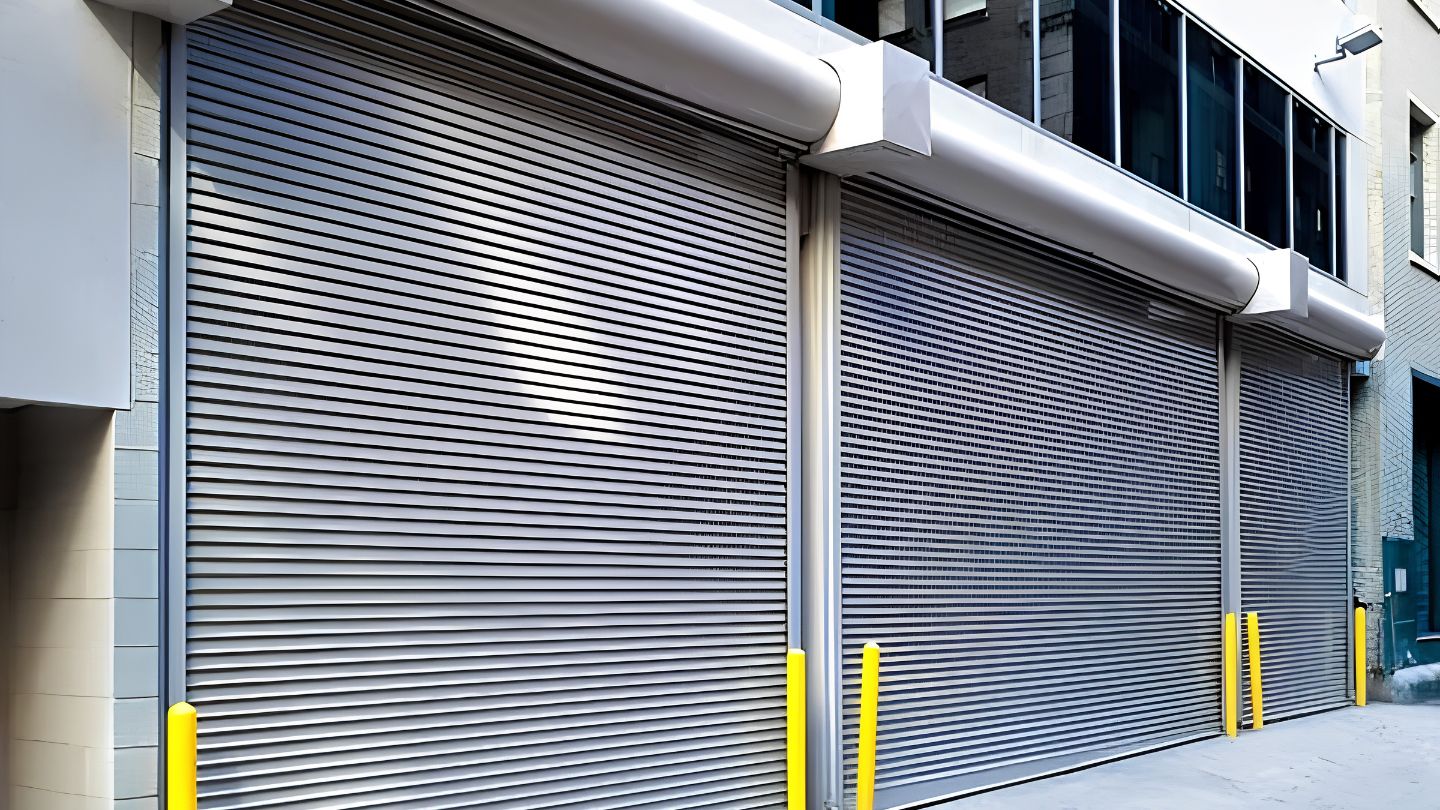
High-traffic commercial overhead doors need more than annual service. Quarterly servicing is recommended for heavily used commercial doors, especially in warehouses, loading docks, fleet facilities, manufacturing plants, distribution centers, and multi-shift operations.
High usage of commercial overhead doors often requires quarterly or bi-annual service visits. High-cycle commercial doors may need servicing every 6 months, and some doors operating in demanding facilities benefit from quarterly maintenance to keep business operations moving efficiently. High-cycle doors may need servicing every 6 months when daily use is heavy but not extreme.
A high-usage door is often one that opens and closes dozens of times per day. In busy facilities, one overhead door can cycle 25, 50, or 100 times daily. Torsion springs typically last 10,000–20,000 cycles, so a door with frequent daily use can consume its spring life much faster than a low-use door.
Moving parts of commercial overhead doors should be lubricated every 5,000 cycles or quarterly, whichever comes first. Proper lubrication reduces friction, limits wear, improves performance, and helps prevent costly repairs. Proper lubrication can reduce repair needs by 30%, especially when paired with alignment checks and safety testing.
Read more: How to Choose the Right Garage Door Opener
High-cycle doors may last only 10–15 years without regular service. Recurring repairs indicate multiple components may need replacement, and frequent repairs can signal it’s time for a new door. Doors over 15 years old may need replacement within 3–7 years, especially when they exhibit recurring alignment issues, structural deterioration, or safety device failures.
Visible structural damage requires immediate professional inspection. Do not wait for the next scheduled visit if a door is bent, sagging, off track, making unusual noises, moving unevenly, failing to close, or showing cable fraying. Warning signs like grinding, shaking, slow response, or a door that feels unusually heavy can lead to larger repairs if ignored.
Read more: How Often Should You Lubricate Your Garage Door
The right service frequency depends on your specific situation. Not every commercial property in Dayton needs the same maintenance plan, and treating all garage door systems the same can waste money or expose the business to avoidable risk.
The first factor is cycle count. A low-use storage door may only need annual service, while a high-cycle shipping door may need servicing every 6 months or quarterly. High-traffic areas require more frequent service for commercial overhead doors because repeated movement accelerates wear on torsion springs, cables, rollers, hinges, tracks, and operators.
The second factor is door age and quality. Newer commercial doors with documented maintenance may remain in optimal condition longer, while older doors may require more frequent inspections. Commercial doors typically last 20–30 years with maintenance, but doors over 15 years old may need replacement within 3–7 years if parts are wearing out, structural damage is visible, or recurring repairs continue. A new door may be the better long-run investment when repair costs keep rising.
The third factor is environment. Dayton’s climate affects overhead door systems in several ways. Extreme cold can cause metal components in overhead doors to contract. Heat can affect rubber seals in commercial overhead doors. Moisture, salt, snow, and freeze-thaw cycles can damage bottom seals, corrode hardware, and interfere with smooth alignment. Climate-sensitive operations, such as food storage, manufacturing, medical supply facilities, or temperature-controlled warehouses, often benefit from more regular maintenance because energy efficiency and sealing performance are essential.
The fourth factor is door type. Fire-rated doors, rolling steel doors, sectional doors, high-speed doors, insulated doors, and dock doors all have different service requirements. Fire-rated doors must comply with inspection requirements, while high-speed and motorized systems require careful testing of sensors, openers, controls, and safety devices. Commercial garage doors also face different demands than residential doors because they are heavier, cycle more often, and often carry greater safety and compliance responsibilities.
The fifth factor is operational criticality. If one door failure stops shipping, blocks a delivery line, creates a security issue, or disrupts customer service, that door should be maintained more often. Preventative maintenance is not just about the door; it supports operations, customers, protection, and customer satisfaction.
Preventive maintenance reduces repair costs by 30%. Proper maintenance reduces repair costs by 30%. Businesses with maintenance programs have fewer emergency repairs because expert technicians can identify small issues early and recommend repairs, replacements, or adjustments before the system fails. Regular check-ups help identify wear-related issues early in commercial overhead doors.
Read more: What Size Garage Door Opener Do I Need?
One common mistake is waiting until doors break down before scheduling service. A door that still opens may still have worn springs, frayed cables, damaged rollers, weak bottom seals, or poor alignment. Small issues can lead to costly repairs when ignored. Many operational issues begin as minor warning signs before developing into more serious overhead door problems that can disrupt daily business activities if left unaddressed.
Another mistake is ignoring seasonal maintenance needs in Ohio’s climate. Dayton businesses should not wait until the first freeze to inspect seals, lubrication, openers, and safety devices. Fall service prepares doors for cold weather, and spring service helps identify winter damage.
A third mistake is overlooking safety compliance requirements. Commercial doors must be maintained for employee safety, security, and reliable operation. OSHA regulations do not usually provide a universal service interval for every overhead door, but OSHA safety expectations require equipment to be safe, properly maintained, and to operate as intended. Documented inspections help support compliance and reduce liability.
A fourth mistake is using a one-size-fits-all approach. A low-use overhead door at a storage facility does not need the same schedule as a loading dock door running all day. High-cycle doors may need servicing every 6 months, and quarterly service is the smarter choice for heavily used commercial doors.
A fifth mistake is allowing unqualified personnel to adjust springs, cables, or operator systems. Springs are under high tension, and incorrect adjustments can lead to severe injuries. Certified technicians have the equipment, training, and experience to inspect, maintain, and replace critical components safely.
A sixth mistake is failing to keep records. Maintenance documentation supports warranty protection, insurance questions, safety reviews, and future repair planning. Manufacturer warranties often require regular maintenance by certified technicians, so keeping service records can protect coverage in the long run.

Safety is one of the strongest reasons to schedule regular servicing for commercial overhead doors. A commercial garage door is heavy, often motorized, and used by employees, vehicles, forklifts, customers, and inventory. When springs, cables, rollers, or safety devices fail, the risk can include property damage, operational shutdowns, and severe injuries.
OSHA regulations require employers to maintain safe workplace equipment and protect workers from recognized hazards. While OSHA may not set a single service frequency for all commercial garage doors, a business is still responsible for ensuring that doors, operators, sensors, and related systems are safe. Routine maintenance, safety testing, and written inspection records help show that the company is taking reasonable steps to maintain compliance.
Fire-rated doors have more specific inspection requirements. Annual inspections are mandatory for fire-rated doors under NFPA 80. This applies regardless of how often the door is used because the purpose of a fire-rated door is life safety and fire protection. Labels, closing operation, latching, clearances, guides, and obstructions must be inspected and documented.
Safety devices must be tested as part of professional maintenance. Photo eyes, reversing edges, auto-reverse systems, emergency stops, and manual release mechanisms help prevent injuries and protect equipment. Calibration of commercial overhead doors involves adjusting spring tension and testing safety sensors, which is why professional inspections are essential for both safety and performance.
Regular maintenance also supports insurance and warranty requirements. Manufacturer warranties often require regular maintenance by certified technicians, and scheduling it helps protect manufacturer warranties for overhead doors. Insurance carriers may also request maintenance records after a claim involving a door, impact, injury, fire event, or security failure.
Regular maintenance can extend the lifespan of a garage door by up to 50%, and annual inspections can help catch issues before they escalate. When a service provider inspects the entire system, the business gains a clearer picture of the current condition, upcoming repair costs, and whether continued maintenance or a new door is the smarter option.
Read more: How Regular Maintenance from a Garage Door Professional Can Extend Its Life
Regular maintenance is one of the most effective ways to keep commercial overhead doors operating safely, efficiently, and reliably. The ideal service schedule depends on factors such as door usage, age, environmental exposure, and operational demands, but proactive inspections and preventive maintenance consistently help reduce downtime, extend equipment lifespan, and minimize costly repairs. By addressing minor issues before they become major problems, businesses can better protect their operations, employees, and long-term maintenance budgets.
At Dayton Door Sales, we provide reliable commercial overhead door service in Dayton designed to support the safety, efficiency, and long-term performance of commercial facilities. As a trusted door company, we also offer residential and commercial door solutions, garage door openers and accessories, and entry and patio doors, along with specialized products such as commercial dock equipment, high-performance doors, rolling service doors, sectional steel doors, and fire doors to meet the needs of businesses across a wide range of industries. Ready to improve the reliability and performance of your commercial doors? Contact Dayton Door Sales today to schedule service, request a consultation, or learn more about our complete range of commercial door solutions.
Loading dock doors in Dayton warehouses should usually be serviced quarterly if they operate in high-traffic areas. High-usage commercial overhead doors often require quarterly or biannual service visits, and they benefit from quarterly servicing to reduce wear on springs, cables, rollers, and openers.
The best times are usually early spring and fall. Spring service helps identify winter damage from snow, salt, ice, and freeze-thaw cycles, while fall maintenance prepares bottom seals, lubrication, alignment, and safety devices for cold weather.
You should not rely only on how the door looks or sounds. Annual inspections can help catch issues before they escalate, and regular check-ups help identify wear-related issues early in commercial overhead doors. A door may still operate even if springs, cables, rollers, or safety sensors are nearing failure.
Extreme cold can cause metal components in overhead doors to contract, while ice, snow, and salt can damage seals, tracks, rollers, and hardware. Dayton’s freeze-thaw conditions can also affect alignment, lubrication, and openers, making seasonal preventive maintenance essential.
Skipping regular maintenance can lead to emergency repairs, higher repair costs, poor energy efficiency, safety risks, warranty problems, and shorter door life. High-cycle doors may last only 10–15 years without regular service, while commercial doors can last 20–30 years with maintenance.
.jpg)


