
Contact Dayton Door Sales Today!
Thank you! Your submission has been received!
Oops! Something went wrong while submitting the form.


A malfunctioning door isn’t just an inconvenience; it’s a ticking time bomb for your property’s safety, security, and your wallet. Neglecting door repairs can lead to severe safety, security, and financial consequences that many property owners don’t anticipate until it’s too late. In Ohio, where freeze-thaw cycles and humid summers accelerate mechanical wear, the hidden dangers of ignoring door repairs compound faster than most homeowners realize.

Malfunctioning doors are a leading cause of preventable accidents in both residential and commercial settings. When garage door systems fail, the consequences extend far beyond inconvenience; they can be catastrophic. A free-falling garage door carries enough force to cause severe crushing injuries, and broken hinges or warped thresholds can lead to injuries from doors slamming or falling unexpectedly.
Door spring failure represents one of the most severe safety hazards property owners face. High-tension torsion and extension springs store tremendous mechanical energy. When these key components break without warning, the entire system can collapse. In Ohio, OSHA has documented serious incidents, including an arm amputation at Napoleon Spring Works tied to unguarded spring mechanisms, a stark reminder of what happens when proper maintenance gets neglected and why attempting DIY garage door repairs instead of relying on expert help can be so dangerous.
Broken cables compound these safety risks exponentially. When lift cables fray or snap under load, doors can collapse or misbalance, creating unpredictable motion that endangers anyone nearby. Track misalignment increases friction and wear progressively; eventually, misaligned doors may derail or bind completely, raising the risk of sudden drops that catch occupants off guard.
Sensor malfunctions present another critical danger. Photo-eyes that are misaligned, dirty, or disconnected may fail to reverse the door when obstructions are present. Malfunctioning exit doors that stick, drag, or fail to open can block egress during emergencies, increasing risks during situations like fires or evacuations, and are treated as high-severity infractions by OSHA. A 2014 Miamisburg fatality occurred when a heavy metal door fell during maintenance due to inadequate lockout procedures, a tragedy that timely repairs and routine inspections could have prevented.
Children and pets face the greatest danger from faulty doors with unpredictable movement patterns. Modern garage doors include auto-reverse safety features specifically designed to prevent crushing injuries, but these features become useless when sensors malfunction or when neglected maintenance has compromised the entire system.
Broken emergency releases create life-threatening situations during power outages. When these mechanisms fail, people can become trapped inside garages with no way to manually open doors, a particularly dangerous scenario during fires or severe weather events common in Ohio.
Loose hinges or handles can cause trips and falls, while worn hardware creates dangerous pinch points. Doors that do not latch properly can unexpectedly pop open, posing risks, especially for exterior doors exposed to wind, which can lead to accidents or injuries. Malfunctioning doors can create safety hazards, such as slamming or fast-closing doors, which can lead to injuries in high-traffic environments like retail stores and medical offices.
Read More: 5 Common Signs Your Garage Door Sensors Aren’t Working
A damaged or malfunctioning commercial door compromises security, making it easier for intruders to gain access, as faulty locks, misaligned frames, or broken door closers provide weak entry points. National data reveals that approximately 34% of forced entries occur through front doors, while roughly 9% of burglaries involve entry through garages, often through poorly secured or obviously damaged doors.
Security professionals consistently find that burglars exploit doors that appear to be in poor condition, indicating that even minor damage can significantly increase vulnerability to break-ins. In the Dayton archives, documented break-ins show garage doors pried open, where visible damage signaled an easy entry point to criminals. Equipment, including lawn mowers and tools were stolen simply because a detached or weak garage door structure invited the crime.
Broken locks and bent tracks create easy access points for determined intruders. Emergency release cords that dangle or can be accessed from outside allow burglars to open a garage door without breaking windows. Outdated openers lacking rolling code technology are easily hacked or bypassed, turning your security features into security vulnerabilities.
Ignoring minor door damage, such as cracked panels or weakened locks, can lead to significant security risks, as these vulnerabilities may invite theft or vandalism, resulting in financial loss and potential insurance claims that raise complex questions about garage door coverage under home insurance.
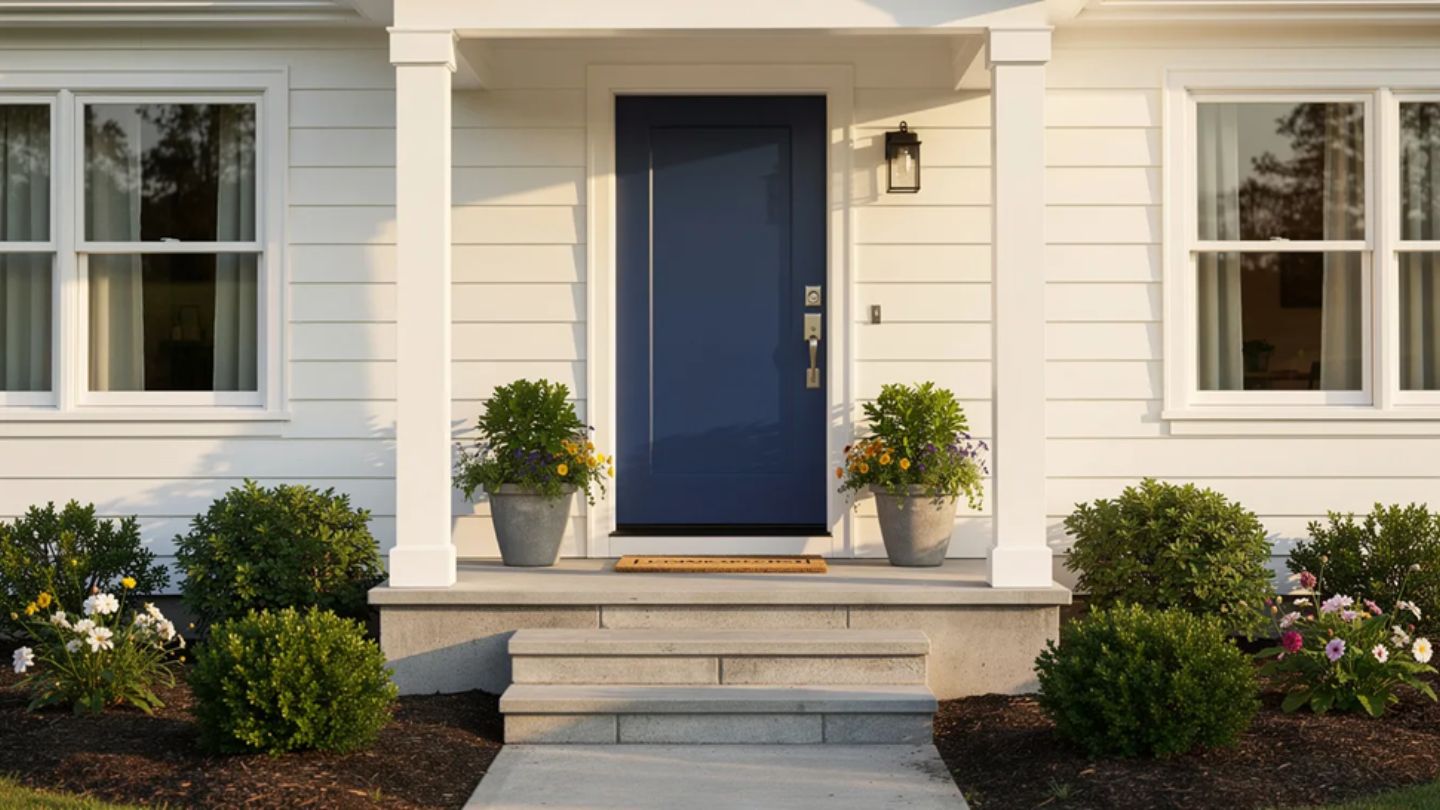
Many property owners overlook vulnerabilities like worn weatherstripping and loose panels that compromise both security and energy efficiency. Gaps under doors allow pry tools, while soft or failing locks make forced entry trivially easy. These security risks multiply when delaying repairs becomes habitual, especially when common garage door issues like worn springs, bent tracks, or misaligned sensors go unaddressed despite clear garage door repair problems and maintenance tips.
A broken lock that goes unrepaired creates cascading security failures. The surrounding walls and frame weaken over time, strike plates loosen, and what started as a simple fix becomes a complete door replacement project. Regular inspections catch these problems early, before they become easy entry points for criminals.
Ignoring door technology updates leaves systems vulnerable to sophisticated break-ins. Smart opener systems with remote monitoring and rolling codes provide significantly better protection than outdated equipment. Property owners who delay upgrading sacrifice security features that could prevent break-ins entirely.
Commercial door repairs carry even higher stakes. Business owners face premises liability exposure when employees or customers are injured by malfunctioning overhead doors. Failure to fix broken doors can result in premises liability lawsuits if someone is injured. OSHA fines for failing to maintain safe commercial doors add regulatory penalties to already substantial repair costs. Fire-rated doors that don’t function properly violate building codes, creating both safety risks and legal liability.
Read More: How to Improve Home Security with Patio Doors in Dayton
Ignoring door repairs can lead to serious safety hazards, increased security risks, and costly damage over time. Timely maintenance and repair ensure your doors function properly, protect your home from intrusions, and prevent small issues from escalating into major problems that compromise safety and convenience.
Dayton Door Sales offers expert garage door repair in Kettering, providing reliable solutions to keep your home secure and functional. We handle residential, commercial, openers, and accessories for garage doors, and entry and patio doors with precision and professionalism. Contact us today to schedule your service and ensure your doors are safe and dependable!
Ohio’s frequent freeze-thaw cycles in winter and high humidity in summer accelerate mechanical wear dramatically, and homeowners in nearby communities experience similar challenges with how seasonal changes in Kettering affect garage doors. A door seal failure or minor misalignment in autumn can allow moisture intrusion that leads to swelling, warping, and structural strain within weeks. By spring, what started as a minor adjustment can require more extensive repairs or complete replacement.
Squeaking or grinding noises, visible rust on springs and cables, gaps under doors, and uneven movement often precede serious failures. Loose hardware, difficulty engaging strike plates, and remote control malfunctions signal that key components are failing. These early warning signs frequently appear weeks or months before catastrophic failures like door drops or lock failures occur.
Yes. Homeowners insurance typically excludes damage caused by gradual wear, normal mechanical failure, or deferred maintenance. If insurers find evidence of visible defects, rust, weather damage, or broken panels that existed before an incident, they may deny coverage entirely. Documentation through photos and maintenance records becomes critical for successful claims.
Dayton police records document break-ins where criminals targeted visibly damaged or detached garage doors. Security vulnerabilities like loose panels, bent tracks, or accessible emergency release cords signal easy targets. Interior doors connecting the garage to the living area often remain unlocked, meaning a compromised garage door gives thieves direct access to your home.
If a garage door falls or becomes stuck, avoid attempting to force it open; broken springs and cables under tension are extremely dangerous. Keep children and pets away from the area. Contact a professional service for immediate repair rather than attempting DIY fixes that could result in serious injury or further damage to the entire system.
Commercial doors in high-traffic environments like retail stores and medical offices should receive professional inspection at least quarterly. Fire-rated doors and emergency exits require regular maintenance to remain code-compliant. OSHA treats malfunctioning exit doors as high-severity infractions, making routine inspections essential for avoiding both accidents and regulatory penalties.
.jpg)


