
Contact Dayton Door Sales Today!
Thank you! Your submission has been received!
Oops! Something went wrong while submitting the form.


Your garage door may be the largest entry point into your home, and statistics show that approximately 9% of residential burglaries gain entry through the garage. When shopping for a new garage door, understanding the top security features to look for in a new garage door can mean the difference between a vulnerable access point and a fortified barrier that protects your family and valuable items.
This blog covers essential electronic security technologies, physical locking mechanisms, and smart security integration features that create comprehensive garage door security. Whether you’re replacing an outdated system or building a new home in the Greater Dayton or Columbus areas, these key features will help you make an informed decision.
Modern garage door openers rely on sophisticated electronic security to prevent unauthorized access. The most important security features for garage doors include rolling code technology, automatic locking mechanisms, and smart monitoring systems. Understanding these technologies helps you evaluate which door openers provide genuine protection versus basic functionality.
Rolling code technology enhances the security of garage door openers by changing the access code every time the remote is used, preventing unauthorized access through code interception. Unlike older fixed codes that remain constant, rolling code encryption ensures a previously used code is never valid again, eliminating the threat of code grabbing, where potential intruders record your remote’s signal for later replay.
Encrypted remotes and secure keypads add an extra layer of protection. Look for keypads with tamper-resistant casings, programmable PINs, and lockout features after failed attempts. These components should be weatherproof and rated for environmental factors like Ohio winters.
Battery backup systems for garage doors ensure that the door remains operational during power outages, allowing for continued access and security even when electricity is unavailable. Understanding how long it takes to install a garage door helps homeowners plan for professional installation timelines and avoid unnecessary delays. A battery backup ensures you can still secure your garage during storms or grid failures, a critical consideration since power outages can leave doors vulnerable to forced entry when electrical systems are disabled. Most modern systems offer 20–50 open/close cycles when fully charged.
Older systems using fixed codes present significant vulnerabilities. If your current automatic door opener relies on dip-switch patterns, upgrading to rolling code technology should be a priority for enhanced security.
Modern encryption in garage door systems generates over 100 billion possible code combinations, making interception virtually impossible. When purchasing a new garage door, recognizing how to choose a garage door factor can help ensure compatibility with modern rolling code standards.
When purchasing a new garage door, verify compatibility with rolling code standards. Your installer should demonstrate that the remote and keypad are properly programmed while homeowners gain clarity on the garage door installation process requirements during setup.
To verify rolling code functionality in new installations, ask your technician to walk you through the programming process. Confirm that each remote generates unique codes and that the wall button properly syncs with the opener. This verification provides peace of mind that your security features are fully operational.
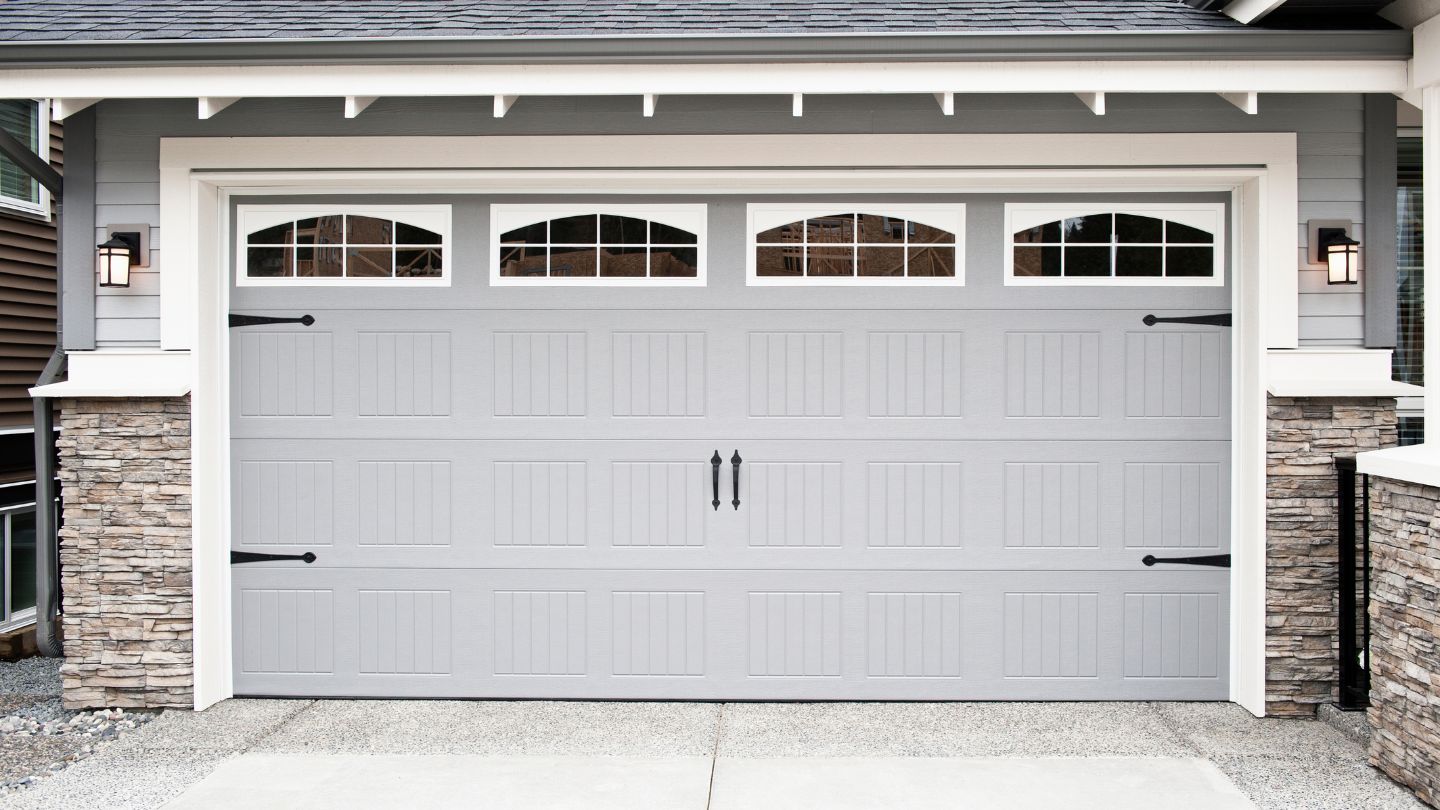
Electronic security alone isn’t enough; physical barriers provide critical protection when technology fails or potential burglars attempt brute force entry. The physical durability of the garage door is critical as a deterrent against brute force entry. Installing a sturdy locking system on your garage door is crucial, as most garage doors do not lock when closed, making them vulnerable to unauthorized access.
Automatic deadbolt locks engage automatically when the door closes, providing a heavy-duty physical barrier against unauthorized entry. These automatic locks slide into vertical tracks above rollers, preventing the door from being lifted even if someone disables the electronic opener. This mechanism guards against manual forced lifting of sectional doors, a common attack method where intruders pry up a section to crawl inside.
Reinforced brackets and hardware make it more difficult for intruders to force garage doors off their tracks. Garage doors made from heavy-gauge steel or aluminum offer increased durability against forced entry. Look for double-skinned steel construction with insulated cores, reinforced panels, heavy-duty hinges, and strong track hardware that resists prying or denting.
An emergency lock provides an extra layer of home security by physically preventing the garage door from being opened, even if someone has your keypad code or remote. Multiple locking points, including shoot bolts at the bottom corners and floor anchors, create comprehensive protection that doesn’t rely solely on electronic controls.
Manual override features remain essential for emergency access. Ensure your door includes an accessible emergency pull-cord disengage from inside, and consider emergency release shields that can prevent thieves from accessing the emergency release cord with tools from outside the garage.
Many homeowners undermine their garage door security through preventable oversights:
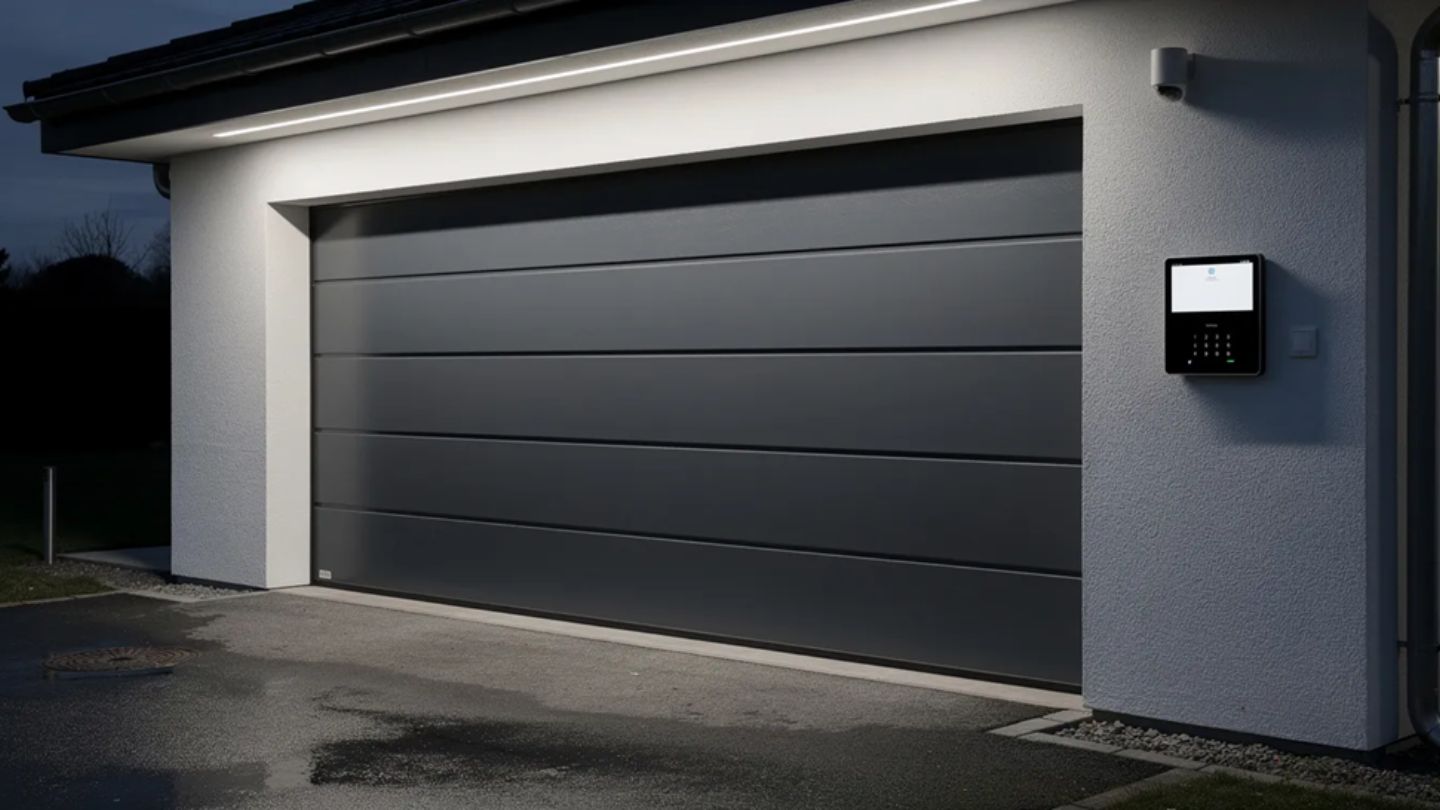
Smart garage door openers can connect to your smartphone, allowing you to open and close your garage door remotely, monitor its status, and receive alerts when it is operated or obstructed. This remote access transforms your garage from a potential vulnerability into a monitored, controllable entry point.
Real-time status monitoring eliminates uncertainty. Check whether your door is open or closed from anywhere, review logs of who used keypad codes or remotes, and receive instant alerts if someone attempts forced entry. This visibility proves invaluable when you’re away from home or managing access for service workers.
Integration with home security systems and security camera installations creates layered protection for your entire home. When your security system detects the garage unexpectedly open during odd hours, it can trigger alerts or activate motion-detecting lights. Door contacts and garage door sensors communicate with your home’s exterior monitoring to provide comprehensive coverage.
Wi-Fi-enabled systems offer significant advantages over basic models. Beyond remote controls and easy access, they enable:
For families with multiple users, the ability to create virtual remotes that can be instantly disabled provides extra security without compromising convenience.
Choosing the right security features for your garage door is essential for protecting your home and valuables. From robust locking mechanisms to smart technology integrations, investing in a high-quality, secure garage door ensures peace of mind while enhancing convenience and accessibility for everyday use.
Dayton Door Sales is your trusted partner for garage door installation in Beavercreek, providing top-notch expertise and reliable service. We specialize in residential, commercial, openers, and accessories for garage doors, and entry and patio doors. Let us help you upgrade your property’s security and functionality with precision and care. Contact us today to schedule your consultation!
Rolling code technology changes the access code on your garage door opener every time you use it, preventing criminals from capturing and reusing your remote signal. With over 100 billion possible code combinations, a previously transmitted code becomes invalid immediately, eliminating code-grabbing attacks that exploit fixed codes.
The combination of rolling code technology, automatic deadbolt locks, and smart monitoring systems provides the strongest protection. Physical reinforcement through heavy-gauge steel construction and reinforced panels deters forced entry, while real-time smartphone alerts ensure you’re immediately aware of any unauthorized access attempts.
Many smart garage door opener systems can be retrofitted to existing doors, though compatibility varies. However, if your current door lacks automatic locks, reinforced construction, or modern sensor technology, a complete new garage door installation may provide better security integration and reliability.
Automatic deadbolt locks engage mechanically when the door closes completely, sliding bolts into vertical tracks that prevent lifting. During power outages, a battery backup ensures continued operation for 20–50 cycles. Physical locks remain engaged regardless of electrical status, maintaining security even when you need to operate the door manually.
Prioritize rolling code technology and automatic locking mechanisms as your foundation; these address the most common vulnerabilities. Add a battery backup to maintain functionality during power outages. Motion-sensing lighting deters intruders and increases visibility by automatically illuminating the area when movement is detected, providing affordable extra security for your home’s exterior.
.jpg)


