
Contact Dayton Door Sales Today!
Thank you! Your submission has been received!
Oops! Something went wrong while submitting the form.

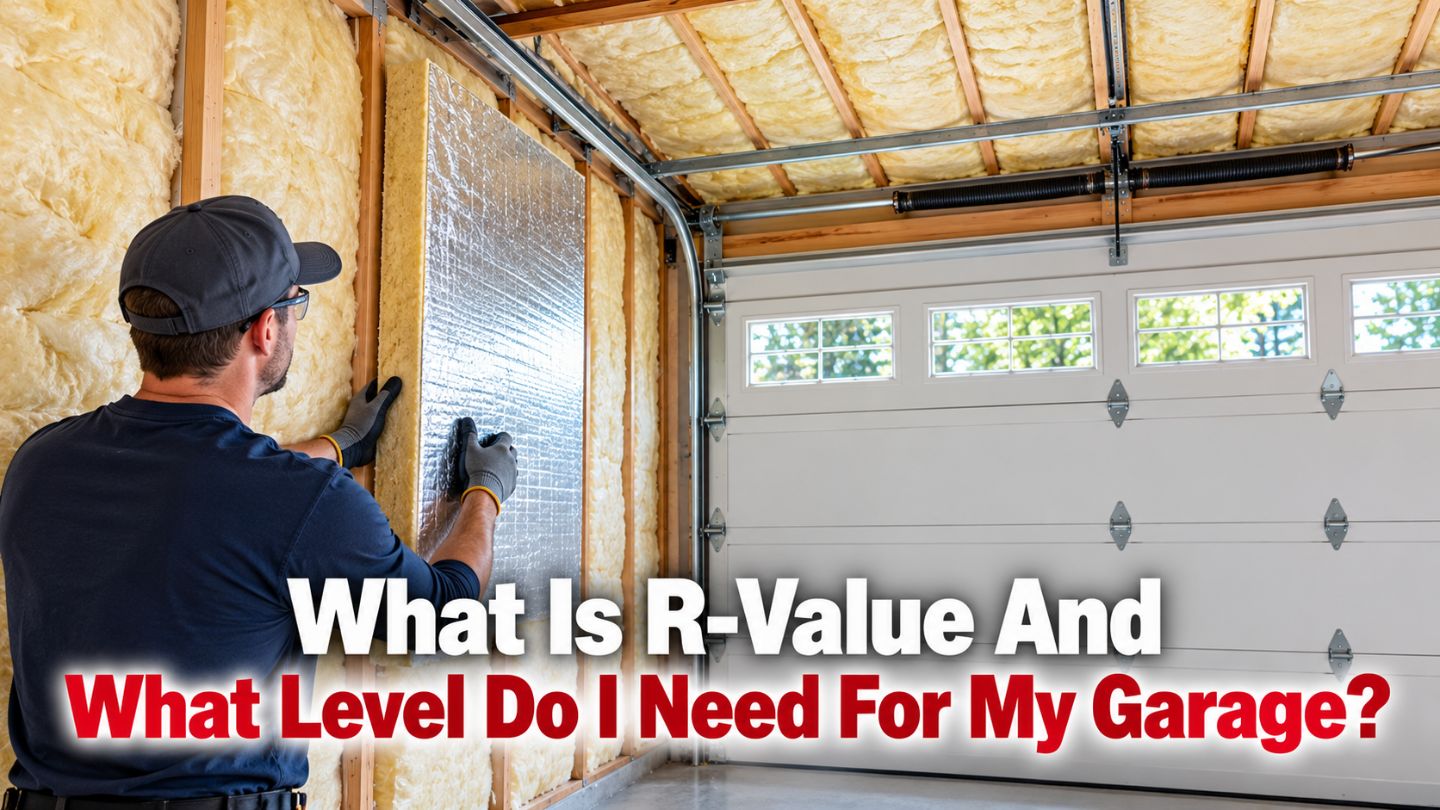
If your garage feels like a walk-in freezer every January or radiates heat like an oven each July, the problem often starts with your garage door. In Ohio, where temperatures swing from bitter cold to humid summer heat, the r value of your garage door determines how much comfort-or discomfort-passes through the largest opening on your home's exterior. R-value is simply a measure of how well a material resists heat flow. The higher the r value, the more your garage door slows heat transfer between the inside and outside.
Most homeowners do best by matching their door insulation level to the way they actually use the space. A detached garage used for basic storage can get by with minimal insulation. An attached garage benefits from moderate insulation to buffer your living space from outdoor temperatures. A heated garage or workspace calls for the highest insulation your budget allows. This blog walks through what r value means, how it's determined, how to choose the right level, and when it's time to talk with a local door professional.
R-value measures how effectively a material resists heat flow through it. When applied to residential garage doors, r value tells you how much the door's insulation material and construction slow down heat moving from one side to the other. Think of it as a rating for thermal resistance: the higher the r value, the harder it is for outdoor temperatures to reach the inside of your garage-and vice versa.
Inside a modern insulated garage door, layers of foam insulation fill the space between steel skins. This foam-whether polyurethane foam or polystyrene panels-acts as a barrier that slows heat transfer through the door section. The thicker or denser the insulation, the more resistance to heat the door provides.
A quick way to understand the difference: picture stepping into your garage on a freezing morning. With a non insulated door, the space feels almost as cold as outside, and you can sense drafts radiating off the thin metal. With an insulated garage door, the air inside is noticeably milder, condensation is reduced, and the door itself feels less like a sheet of ice.
Key terms worth knowing:
Manufacturers determine garage door r value by testing or calculating how the insulation and door construction resist heat transfer. The performance of insulation depends on materials and construction-a door with dense polyurethane insulation will rate differently than one using lighter polystyrene panels, even at similar thickness.
One important detail: r value is calculated for a door section, not the entire door. Published r value ratings typically describe the center of the panel, where insulation is thickest and uninterrupted. The complete door assembly-including panel joints, seams, hardware, and the frame-allows more heat through than the center alone. That means two doors with the same r value can perform differently once installed, depending on how tightly they're built and sealed.
R-value provides a starting point for insulation choices, and it works well as a comparison tool between doors. But it does not guarantee energy bill savings on its own. Real world performance also depends on:
Treat the published r value as a useful guide, not a promise of a specific temperature inside your garage.
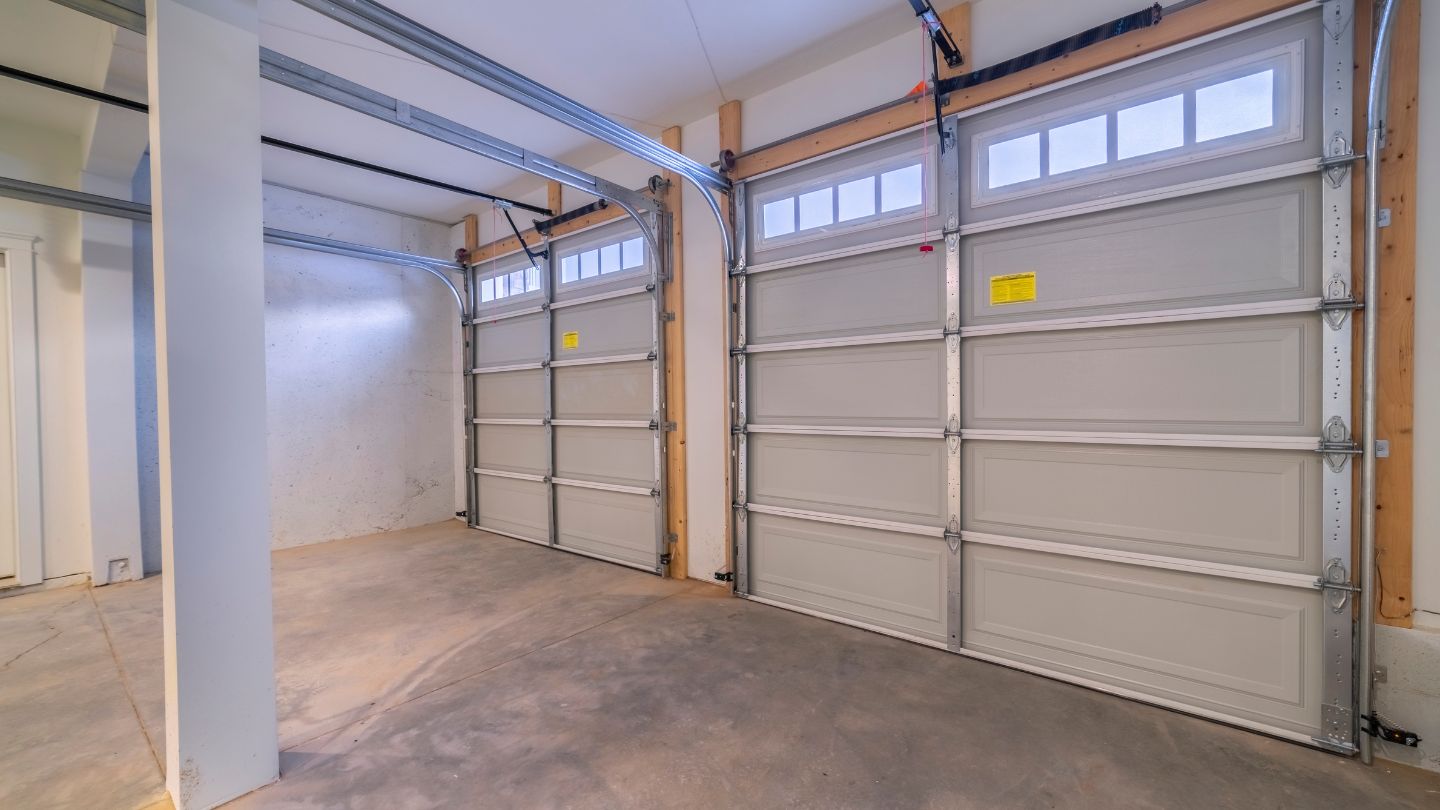
Garage doors generally fall into three broad insulation categories: non-insulated, basic insulated, and higher-insulated. Each level feels and performs noticeably different in everyday use-especially across Ohio's wide seasonal swings. The right level depends on how your garage connects to the rest of your home and how much time you spend in the space.
A non insulated door is typically a single layer of steel or another thin material with no foam insulation core. In Ohio's winters, the temperature inside a garage behind one of these doors hovers close to outdoor temperatures. You'll feel drafts coming off the metal, hear more road and wind noise, and see condensation forming on the inner surface during cold snaps.
Non-insulated single-layer doors are suitable for detached garages in mild climates or situations where energy efficiency and comfort simply aren't priorities-basic vehicle parking or seasonal storage where no one spends much time.
Best for:
Basic insulated doors use a single layer of foam insulation-often polystyrene-inside a steel door shell. Light polystyrene panels typically provide a modest level of thermal resistance. This step up noticeably softens temperature extremes and cuts down on noise compared to an uninsulated door.
For many attached garages that aren't fully heated but share a wall with the house, a basic insulated door hits a practical balance between cost and comfort. You'll notice:
Higher-insulated doors feature multi-layer "sandwich" construction-bonded foam fully enclosed between steel skins. These doors use dense polyurethane insulation, which has roughly twice the insulating value per inch compared to polystyrene. Sandwich doors perform better than single-skin doors in insulation, delivering the most consistent temperature inside the garage, the quietest operation, and the most solid, durable feel.
A higher r value door is the right choice when the garage is heated, cooled, or used as a daily workspace, home gym, or hobby room-or when rooms sit directly above or beside it.
Signs you'd benefit from a higher-insulated door:
This section helps you quickly match your garage type and daily habits to an appropriate insulation level. While every home is different, homeowners can follow a simple decision path: Is the garage detached or attached? Is it heated? How often do you actually use the space?
For a detached garage that isn't heated and serves mainly as a parking spot or storage area, durability and basic weather protection are usually the top priorities. A non-insulated or basic insulated door is often sufficient here. For detached garages, an insulation level in the lower range handles the job without overspending.
Even so, choosing at least some door insulation brings practical perks: less condensation forming on the door, quieter daily operation, and better protection for tools or seasonal items. During a free estimate, you can compare options and feel the comfort difference for yourself.
An attached garage directly affects the comfort of nearby rooms and the workload on your home's heating and cooling system. Because of the shared wall, heat loss through the garage door doesn't just chill the garage-it pulls cooled air or warmth out of your living space, too. Moderate insulation is the practical starting point for most attached garages to keep the space noticeably milder than outdoor temperatures.
Everyday impacts you'll notice with a well insulated door on an attached garage:
If you notice cold floors or chilly walls in the rooms above or next to the garage, that's a strong signal to consider upgrading to a higher insulated door.
When a garage is actively heated or cooled-or used year-round as a workshop, gym, or creative studio-higher insulation on the door becomes essential. Insulated garage doors with polyurethane foam help reduce outside noise and keep the space comfortable without forcing your heater or cooling system to run nonstop. A well-insulated door can keep garages noticeably warmer in winter and cooler in summer, reducing how hard climate control equipment has to work.
In this scenario, it's usually worth choosing the most insulated door the budget comfortably allows, paired with quality weather stripping and a tight perimeter seal. If you're planning to finish or heat your garage, discuss insulation and sealing options with a door specialist before investing in new wall or ceiling insulation-the door is almost always the biggest weak point.
A common situation in Ohio homes: bedrooms or a finished room above the garage that feel uncomfortably cold in winter or warm in summer. When the garage door provides little resistance to heat, large temperature swings pass up through the garage ceiling into the living space above.
Stepping up at least one insulation level from "basic" helps stabilize temperatures in these rooms. Insulated garage doors reduce thermal transfer between the garage and outdoors, and a well insulated door paired with improved seals can be a simpler upgrade than tearing into finished ceilings. For best results, make sure your garage ceiling insulation is also in good shape.
Choosing the right r value isn't just about the door itself. The entire garage construction and how you interact with the space shape how much insulation performance you actually experience. Here are the main factors:
A garage with insulated walls and ceiling insulation benefits far more from a well-insulated door than a bare, unfinished structure. Think of the garage as part of your home's building envelope: every weak spot lets heat escape or enter. Even if your walls aren't insulated yet, choosing a new garage door with reasonable insulation is a smart first step-it's easier to add wall insulation later than to swap a door twice.
Not all insulated doors deliver the same insulation performance. A door with bonded foam between steel skins and tight-fitting section joints outperforms one where polystyrene panels are simply dropped into a channel. Weather seals around the perimeter, bottom, and header matter just as much as the published r value-because air leakage around the door can erase much of the benefit an insulated core provides. When requesting a quote, ask specifically about the bottom seal, side perimeter seals, and how the top of the door meets the header.
Your daily habits determine how much comfort and temperature control you need from the door. If you're parking and walking through quickly, moderate insulation handles the job. If you're spending hours in the space-working on projects, exercising, or using it as an extension of your living space-higher insulation pays off in comfort, noise reduction, and protection for what's inside.
Consider higher insulation if you regularly:

The best approach combines the appropriate insulation level, strong door construction, a style that fits your home, and professional installation. When choosing a garage door, think longer term-comfort, noise reduction, durability, and how you'll use the space years from now, not just today's price tag. Once you've selected an insulated garage door that suits your needs, planning the installation can help you prepare your garage and schedule the work. Understanding how long garage door installation takes can help you plan ahead and account for factors that may affect the installation timeline.
Follow this sequence to narrow down the right garage door for your situation:
Matching your insulation level to your garage and climate pays off in ways you'll notice every day-not just on energy bills.
Choosing the right garage door R-value depends on your climate, garage usage, and insulation needs. A higher R-value provides better thermal resistance, helping maintain comfortable indoor temperatures and reduce energy loss. Whether your garage is attached, detached, or used as a workspace, proper insulation improves comfort, efficiency, and year-round functionality.
Dayton Door Sales offers professional garage door repair in Springboro, helping homeowners maintain reliable, energy-efficient garage doors. We also provide entry and patio doors, residential and commercial garage door solutions, and garage door openers and accessories. Contact us today to discuss your garage door needs and request a professional estimate!
R-value measures thermal resistance-how strongly your garage door resists heat flow through its panels. A higher R-value means the door slows down heat transfer more effectively, helping keep the temperature inside your garage closer to your home's indoor temperature rather than matching outdoor temperatures. It is the standard way to compare how much insulation one door offers versus another.
More insulation generally helps, but the best choice depends on whether your garage is detached, attached, or heated. For a simple detached storage garage, the highest available insulation may not produce a noticeable daily difference. For an attached or heated garage, a higher R-value door delivers meaningful comfort and energy efficiency improvements.
Even without a heater, an insulated garage door on an attached garage keeps the space milder and helps adjacent rooms feel less drafty. Insulated garage doors can reduce energy loss significantly by slowing heat transfer through the largest panel on your home's exterior. A detached garage used only occasionally for storage may be fine with basic or minimal insulation.
Yes. A better-insulated, well-sealed garage door reduces temperature swings inside the garage, which often helps bedrooms or living spaces above feel more stable and comfortable. Results are strongest when the garage also has reasonable ceiling insulation and sealed walls. The door alone won't solve every comfort issue, but it's one of the most impactful single upgrades.
Some homeowners add foam insulation panels to an existing garage door, but these aftermarket additions may not seal as well, can affect door balance, and rarely match the thermal performance of a purpose-built insulated door. If your existing door is aging or underperforming, having a professional evaluate whether enhancement or full replacement makes more sense is the smartest move.
Describe how you use the garage-storage, workshop, gym, daily entryway-and mention whether it is detached, attached, or heated. A local door specialist can then recommend an insulation level and door construction that fits both your needs and your budget, including the right weather seals and opener to support the installed door.


