
Contact Dayton Door Sales Today!
Thank you! Your submission has been received!
Oops! Something went wrong while submitting the form.


When an Ohio winter storm knocks out power, and your car is trapped inside the garage, knowing how to manually open your garage door can save you hours of frustration-or even help you evacuate safely. Most garage doors can be operated manually during power outages thanks to a built-in emergency release mechanism, but doing it incorrectly can lead to serious injury or costly damage.
This guide walks you through everything you need to know about safe manual operation of your garage door without power-from critical safety checks to step-by-step instructions for opening from inside and outside, plus how to reconnect your automatic opener once power returns. With over 60 years of experience serving Greater Dayton and Columbus homeowners, Dayton Door Sales has helped thousands of residents maintain access to their garages during outages, storms, and equipment failures. Here's exactly what our technicians recommend.
Before you pull the emergency release cord and attempt to lift the door, you need to assess whether it's safe to do so. Garage doors can weigh over 150 pounds-some double-car steel doors reach 300 to 400 pounds. The only reason you can lift that weight by hand is the counterbalance spring system (torsion or extension springs) that carries most of the door's weight. If those springs are broken or damaged, attempting manual operation puts you at risk of the full load dropping on you.
Start with a visual inspection: Look at the torsion springs mounted above the door for gaps, rust, or broken coils. Check extension springs along the tracks for stretching or fraying. Inspect cables and springs for wear or damage regularly-frayed cables, loose connections, or bent tracks are all red flags. If anything shows signs of failure, do not attempt to open the garage door manually.
Clear the area: Clear the area of people and pets before lifting the door. Remove any vehicles, tools, or debris from the door's path. Ice and snow buildup on the ground can also impede smooth operation. Wear gloves for grip and eye protection in case of unexpected debris.
Check door balance: Check door balance by lifting it manually-a properly balanced garage door should move smoothly and easily when lifted. If you raise the door to about the halfway point and it drifts up or drops down on its own, the springs need professional adjustment. It is advisable to avoid standing directly under the door while opening or closing it.
Regular lubrication helps reduce strain on moving components and makes manual operation smoother during unexpected outages. Following these garage door lubrication best practices for long-term performance can also help extend the life of your entire door system.
Certain warning signs mean you should stop immediately and contact a professional:
Attempting repairs on springs, cables, or tracks without professional training risks serious injury-the stored energy in a torsion spring under full tension can cause catastrophic failure. Dayton Door Sales offers emergency repair services for spring replacement, cable realignment, track repair, and opener diagnostics throughout the Greater Dayton and Columbus areas. If your existing garage door has recurring mechanical problems or significant wear, it may be time to consider a replacement instead of repeated repairs. Knowing how to choose the right garage door for your home's needs can make that decision much easier.
Read More: What Are the Standard Garage Door Sizes?
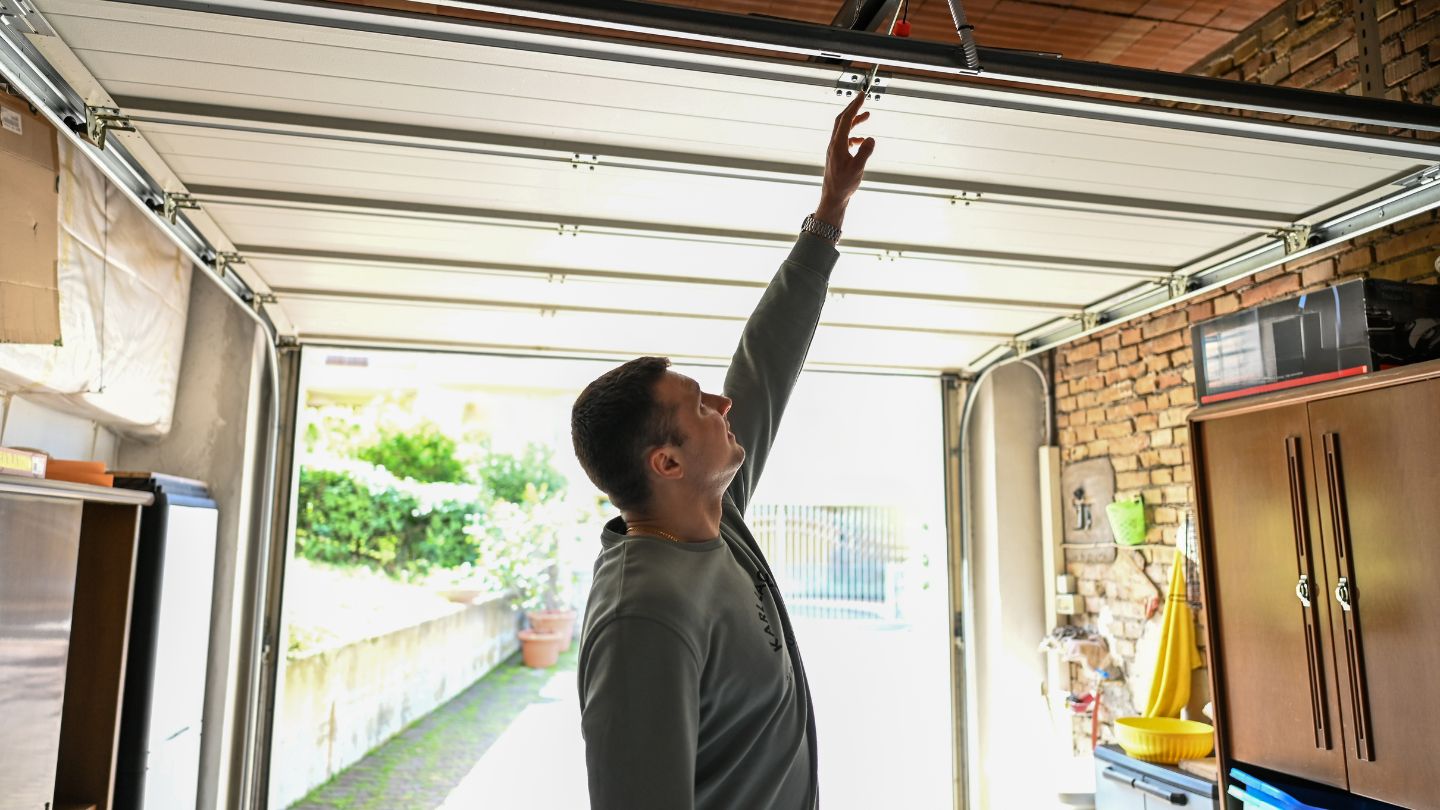
Once you've confirmed that your mechanical components look sound and the area is clear, follow these steps to open a garage door during a power outage:
Before assuming the garage door motor has lost power, test a light switch or outlet in the garage. The issue could be a dead remote battery, a tripped breaker, or a malfunctioning opener rather than a true outage.
Always ensure the garage door is fully closed before disengaging. If your door has a manual slide bolt lock or any other locking mechanism, disengage it before proceeding. A door in the closed position rests on the ground and won't move unexpectedly.
The emergency release cord is located near the garage door opener's trolley, hanging from the carriage that connects the door to the opener rail. The emergency release cord is usually a red handle hanging down, sometimes described as a red rope or red handle attached to a short cord. It's designed to be easy to spot and reach.
Pull the emergency release cord straight down and slightly toward the garage door motor. You should hear a click as the trolley disconnects from the drive chain or belt. Pulling the emergency release cord disengages the door from the opener, allowing free movement along the tracks. The emergency release cord allows manual operation during power outages without damaging the opener mechanism.
After pulling the release cord, the door can be lifted by hand. Position yourself at the bottom center of the door, grip firmly with both hands, and lift the door evenly using your legs-not your back-to avoid injury. A properly functioning door should lift with moderate effort. If the door feels heavy, stop and check for spring issues before continuing.
Once the door reaches the fully open position, it should stay open on its own if properly balanced. If the garage door does not stay up on its own, it can be secured with locking pliers or clamps attached to the track just below the lowest roller to prevent it from sliding shut.

If you're locked out of your home and can't access the emergency release cord inside, you may still be able to open your garage door without power-if your door has an exterior emergency release system installed.
An Outside Quick Release Kit can be installed to unlock the garage door system from the outside. Many brands offer emergency release lock kits that include a keyed lock cylinder, a release cable, and keys. This system connects to the interior emergency release mechanism through the door panel.
Not all garage doors have this feature; many older or basic installations lack exterior access. If your door doesn't have an exterior release, do not attempt to pry the door open, as this can damage panels and tracks. Instead, enter through another door or wait for power to return. If you'd like an exterior release kit installed, contact a professional garage door service to ensure proper and secure installation. If you are unsure whether your garage door or emergency release system is operating safely, scheduling professional garage door service for inspections and repairs can help prevent unexpected problems during future power outages.
When power returns, you'll need to re-engage the automatic opener before it will function normally again. Here's how:
If the door is in the open position, lower it carefully by hand to the down position. Ensure the garage door is fully closed before reconnecting. Remove any locking pliers, C-clamps, or other securing devices from the tracks.
To reset the release mechanism, pull the emergency release cord toward the garage door motor unit. The lever or latch on the trolley should flip back into a horizontal, engaged position.
Press the wall button or use your remote to run the opener through a full cycle. You will hear a click when the trolley reconnects to the opener-this confirms the carriage has reattached to the drive chain or belt.
Once power is restored, the opener should be re-engaged according to the model instructions. Run the door through at least one complete open-close cycle. Listen for smooth operation and watch for any binding, shaking, or uneven movement. Test the safety sensors and auto-reverse function to confirm everything is working properly.
Understanding how your opener and garage door work together makes it easier to reconnect the system safely after a power outage. Learning about the relationship between garage doors and automatic opener systems can also help you identify potential issues before they become major repairs.
If the opener won't reconnect, check that all manual locks have been disengaged, the emergency release lever has fully reset, and the trolley is aligned with the opener rail. If problems persist, it may indicate a deeper issue with the opener or the door's alignment-contact a professional for diagnosis.
Read More: The Importance of Professional Garage Door Inspections
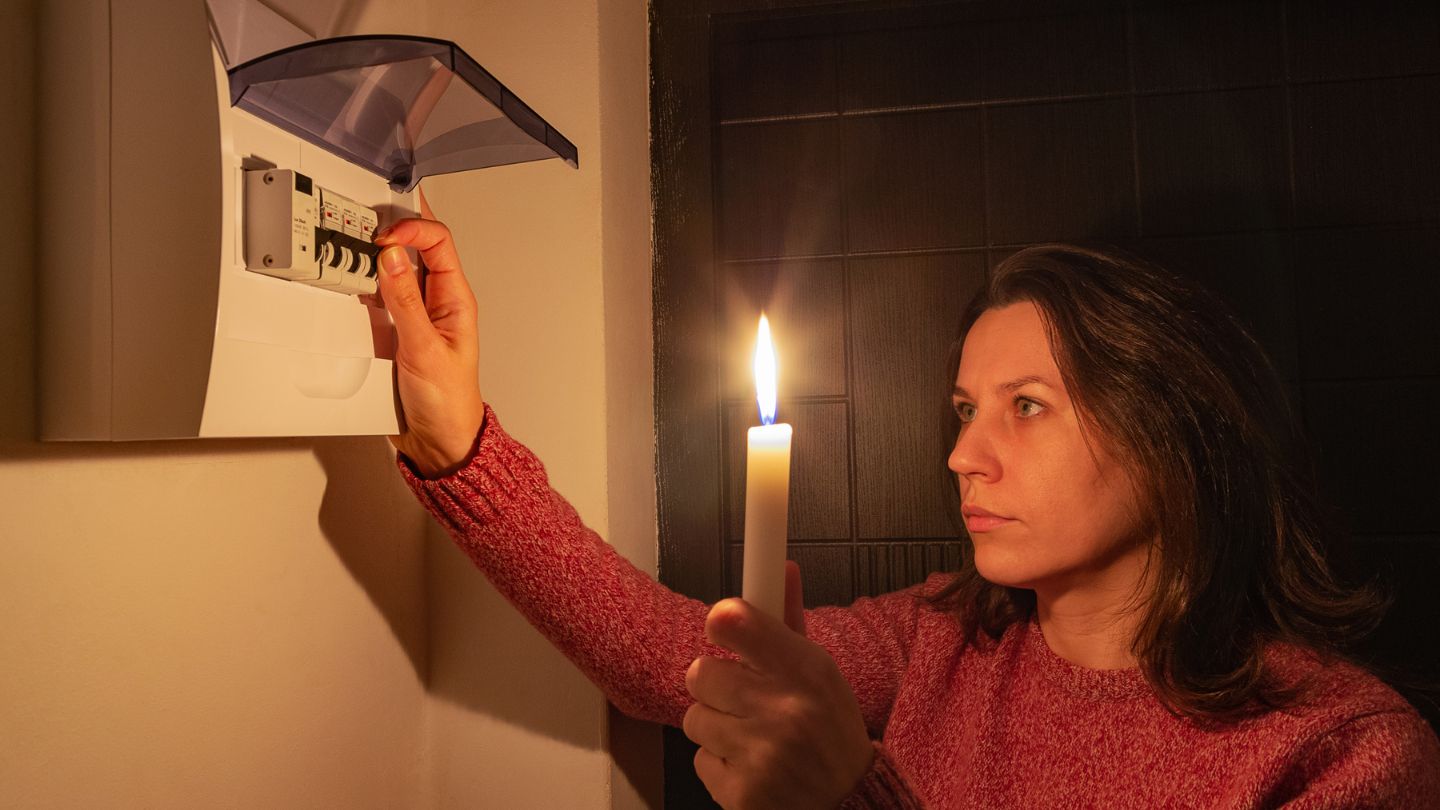
Knowing how to manually open your garage door during a power outage gives you peace of mind when unexpected situations arise. By understanding the emergency release system, recognizing when it is safe to operate the door manually, and knowing when professional assistance is needed, you can protect both your property and your family's safety. A little preparation and routine maintenance can make all the difference when reliable access to your garage matters most.
At Dayton Door Sales, we provide dependable garage door service in Dayton to help homeowners and businesses keep their doors operating safely and efficiently. In addition to garage door maintenance and repairs, we offer residential garage door solutions, commercial overhead door services, garage door openers and accessories, and entry and patio doors to meet a wide range of property needs. If you have questions about your garage door or would like professional assistance, contact our team to schedule a convenient service appointment.
You should not attempt to manually open a garage door with a broken spring. Without functioning springs to counterbalance the door's weight, you'd be trying to lift 150 pounds or more of dead weight. The door could also drop suddenly and cause serious injury. If you suspect a broken spring, stop immediately and call a professional technician.
If the cord feels stuck, first check that all manual locks and slide bolts are fully disengaged-a locked door can prevent the release mechanism from activating. Inspect the cord itself for fraying or tangling around the trolley. If it still won't budge, the internal release mechanism may be jammed or broken, which requires professional service.
With the opener disengaged, lift the door manually to about the halfway point and release it. A properly balanced garage door should stay in place without drifting up or down. If it drops toward the floor or shoots upward, the spring tension needs adjustment. Do not operate an unbalanced door-contact Dayton Door Sales for a balance adjustment.
Only if the door is fully open and properly secured, if the garage door does not stay up on its own, secure it with locking pliers or C-clamps on the track before moving your car underneath. Never drive under a partially open or unsecured door, as it could drop without warning.
The most common reasons include: manual slide locks still being engaged, the emergency release lever not being fully reset to the horizontal position, or the trolley not being properly aligned with the opener rail. Try pulling the release cord toward the opener, then pressing the wall button to cycle the motor. If you hear grinding or the trolley won't catch, your opener may need professional recalibration or repair.
Test the manual release cord every few months-at minimum, twice a year. A good habit is to test before the winter storm season and again in spring. During each test, pull the release, lift the door manually, then reconnect the opener to confirm everything operates smoothly. This simple routine ensures you won't encounter a stuck or broken release mechanism during an actual emergency.
.jpg)


