
Contact Dayton Door Sales Today!
Thank you! Your submission has been received!
Oops! Something went wrong while submitting the form.


A professional garage door repair in Kettering, OH typically begins with a 30–60 minute diagnostic inspection and wraps up within 2–4 hours for most standard jobs. Knowing what to expect at each stage, from the initial assessment to post-repair testing, helps homeowners make informed decisions, avoid unnecessary costs, and keep their home secure throughout the process. This blog walks you through the entire professional garage door repair experience so you can feel confident from the moment the service tech arrives to the final walkthrough.
Every professional garage door repair starts with a comprehensive on-site inspection. When the garage door repair technician arrives at your Kettering home, the first step is a systematic evaluation of the entire system. Garage doors consist of tracks, rollers, springs, cables, and openers - and each component is carefully examined for wear, damage, and proper function.
The technician checks the door balance by manually lifting the door to its midpoint to see if it holds position. They inspect garage door springs for visible gaps, rust, or metal fatigue. Cables that appear frayed or worn require immediate professional attention, so these are examined closely. Tracks are checked for misalignment, dents, or loose mounting brackets. Rollers and hinges are evaluated for wear that might cause unusual noises or slow operation. The garage door opener is tested as well - including the motor, drive mechanism, logic board, sensors, and auto-reverse safety features.
Safety checks are integral from the start. The technician verifies that photo-eye sensors are aligned and unobstructed, confirms that the opener reverses properly when it meets resistance, and ensures that the hardware is secure. Proper tension adjustments and sensor calibration enhance garage door safety, so these are never skipped.
This diagnostic phase typically runs 30–60 minutes for most residential repairs. Once complete, the technician communicates findings clearly - explaining what each issue means in plain language, why certain repairs are necessary, and presenting options including part quality, cycle ratings, and pricing. Most homeowners appreciate this transparency because it removes guesswork and builds trust before any wrench is turned.
Read More: The Importance of Professional Garage Door Inspections
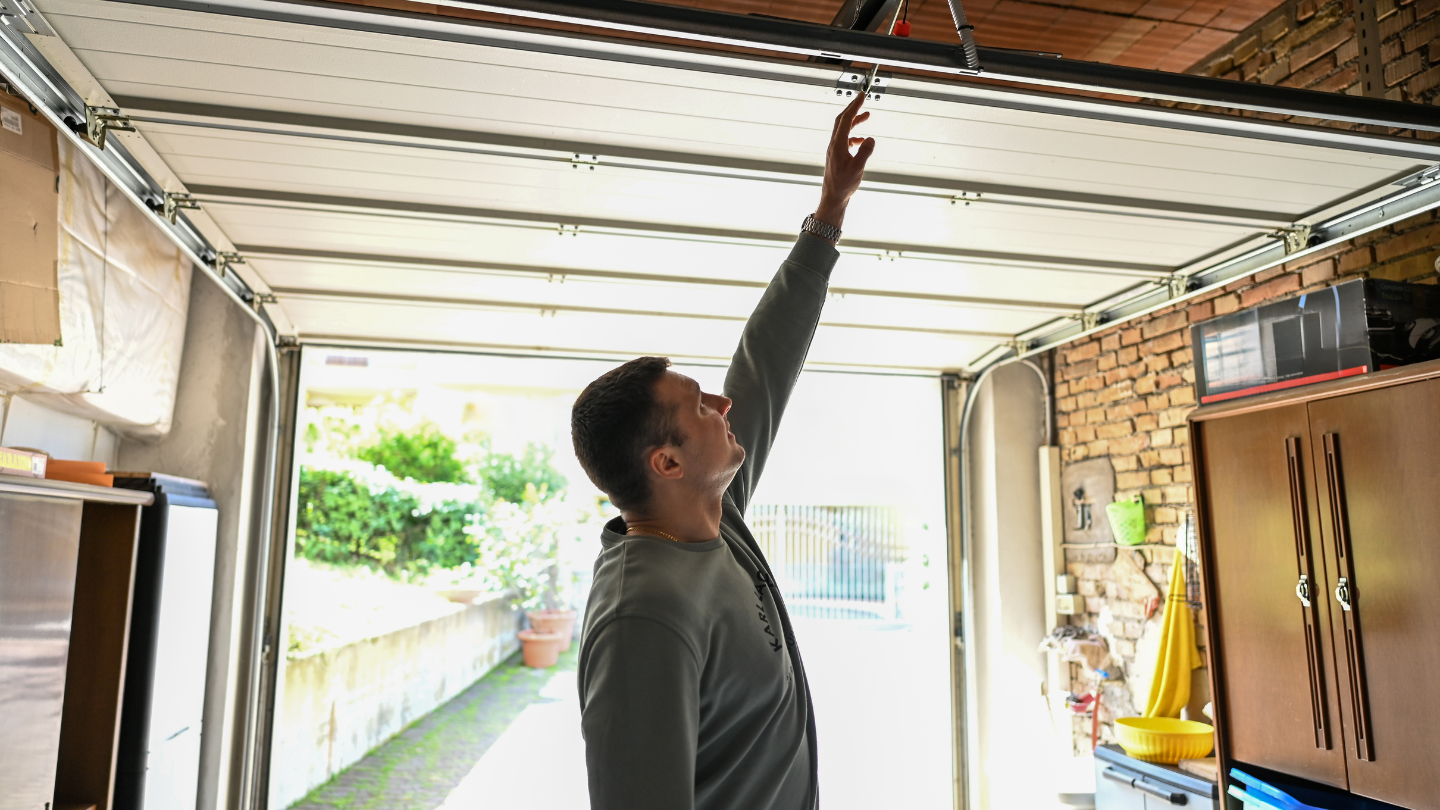
In Kettering, OH, cold winters, freeze-thaw cycles, and humidity accelerate wear on garage door components. Common garage door issues include broken springs and worn rollers - two of the most frequent problems technicians encounter, especially after harsh winter months. Rust, moisture, and metal fatigue cause springs and hardware to degrade faster than homeowners might expect. These problems often become more noticeable as Kettering’s seasonal changes affect garage door components, especially during periods of freezing temperatures, humidity, and repeated weather shifts.
Malfunctioning openers can prevent garage doors from operating properly, and aging openers tend to fail after 7–14 years of everyday use. Misaligned tracks from impacts, shifting foundations, or loose brackets are other common culprits behind doors that stick, bind, or refuse to close properly. Signs of a failing garage door include slow operation and loud noises - warning signs that should prompt a call for professional service rather than a wait-and-see approach. Recognizing common garage door repair issues early can help homeowners avoid further damage, safety risks, and more expensive repairs later.
Professional technicians always prioritize safety-critical repairs first. Broken spring replacement, damaged cables, failed auto-reverse mechanisms, and off-track doors take precedence. Non-urgent issues - like cosmetic panel damage, minor, unusual sounds, or slight roller wear - are addressed afterward. Ignoring garage door problems can lead to further damage or safety risks, so even small issues flagged during inspection deserve attention.
Read more: Winterizing Your Garage Door: Essential Maintenance Tips
Understanding how long different repairs take helps homeowners plan their day with minimal disruption. Here is what to expect for common repair types:
A typical garage door repair in Kettering is completed within a few hours, and common garage door repairs can often be resolved in a single visit. Most jobs can be completed in one day, within 4–6 hours, even for complex multi-component failures.
Same-day service is widely available in the Kettering area. For emergencies - a broken spring that leaves your overhead door stuck open, a jammed door creating home security concerns, or a safety hazard - many local providers offer same-evening quick response. Standard non-emergency scheduling typically means service within one to two business days.
Factors that may extend repair time include the unavailability of specific replacement parts (especially for older or discontinued door models), severe rust or structural damage discovered during the job, access challenges such as high ceilings or cramped spaces, and weather-related scheduling backlogs during peak seasons.
Read more: How Flexible Scheduling Makes Garage Door Repairs Less Disruptive for Busy Dayton, OH Families
Clear communication is a hallmark of any reputable garage door repair service. Technicians provide detailed estimates after assessing the problem, and these estimates should break down parts costs, labor, and any diagnostic or service call fees before work begins.
If unexpected issues surface during the repair - for example, additional worn components, hidden motor damage, or rusted brackets not visible during initial inspection - the technician should pause and seek homeowner approval before proceeding with extra work. No reputable company proceeds beyond the quoted scope without your consent.
Homeowners typically need to be present during the diagnostic phase to discuss findings and approve the repair plan. Once work is underway, you can step away if comfortable. However, being home is helpful for decisions such as choosing a replacement panel style, selecting a smart opener with Wi-Fi and battery backup, or making budget decisions between standard and premium components. Being present at the final walkthrough is important for reviewing the completed work and understanding ongoing maintenance responsibilities.
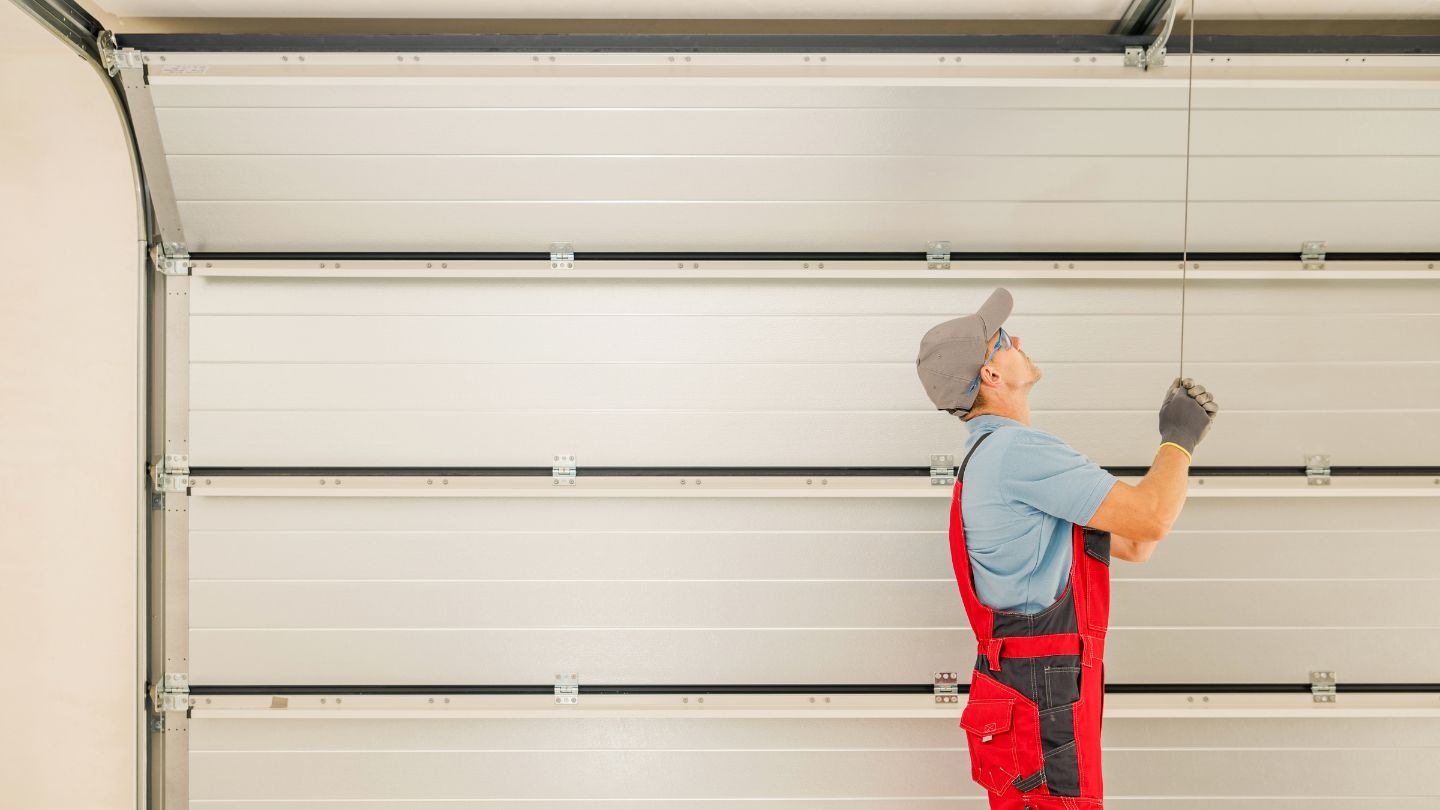
Understanding the actual workflow gives homeowners confidence that the door repair is being handled correctly. Here is what a professional garage door repair looks like from start to finish:
Arrival and Safety Setup: The technician arrives, verifies the work order, and inspects the work area. Power is disconnected if opener work is required. If a broken spring is involved, the door is secured with clamps to prevent unexpected movement. Garage doors can weigh over 200 pounds, so proper safety setup is non-negotiable. Professional assistance is recommended for handling high-tension components like springs - these store enormous energy, and improper repairs can lead to serious injuries or fatalities.
Removal of Damaged Components: Failed parts are carefully removed. For spring replacement, residual spring tension is safely unwound using properly sized winding bars - never screwdrivers or improvised tools. Worn rollers, frayed cables, bent track sections, or faulty opener components are removed with care to preserve surrounding hardware. Garage door springs are under high tension and can cause injury, which is exactly why DIY repairs on these mechanical parts are strongly discouraged. Understanding the dangers of DIY garage door repair helps homeowners see why trained professionals should handle spring, cable, and opener work. DIY repairs can also lead to chronic pain from heavy lifting or working in awkward positions.
Installation of Replacement Parts: Quality replacement components are installed using the correct specifications for your garage door system. For springs, this means matching the proper type (torsion vs. extension), wire gauge, length, and cycle rating. Springs can last over four times longer than typical garage door springs when homeowners opt for high-cycle options rated at 25,000–50,000 cycles. For openers, chain-drive motors are ideal for heavy garage doors due to their strength, while belt-drive motors operate quietly and are suitable for attached garages. Cables support the heavy weight of the garage door during operation and are replaced with matching gauge and length. Track realignment ensures smooth operation of garage doors, and eliminating issues with tracks and hardware adjustments prevents future operational problems.
Adjustment and Calibration: Once the new parts are installed, the technician fine-tunes everything to ensure safe, smooth operation. Door balance is checked - the door should stay at mid-height when the opener is disconnected. Spring tension is carefully adjusted. Opener force settings are calibrated so the door reverses or stops properly upon encountering resistance. Auto-reverse is tested with an object placed in the door’s path. Photo-eye sensors are aligned and verified. Limit switches are set. The door is cycled multiple times while the technician listens for unusual noises and watches for any hesitation or binding. Professional repairs reduce the risk of mechanical accidents through this thorough calibration process.
Cleanup and Final Walkthrough: The technician cleans the work area, disposes of old parts, and walks the homeowner through everything that was done. You will see the new components installed, receive documentation identifying parts used (spring specifications, opener model), and get warranty details. The technician demonstrates safe operation and teaches you basic maintenance checks: monthly visual inspections, quarterly hardware tightening, and proper lubrication every 6 months for optimal performance. Regular maintenance includes lubricating all moving parts to reduce friction, thereby extending the lifespan of garage door components. Regularly testing safety features ensures proper functionality and safety for your household.
Read more: How Regular Maintenance from a Garage Door Professional Can Extend Its Life
Professional garage door repair follows a thorough, safety-focused process that helps restore reliable operation while minimizing disruption to your daily routine. From the initial inspection and diagnostic assessment to component replacement, calibration, and final testing, every step is designed to improve performance, enhance safety, and extend the lifespan of your garage door system. Addressing issues early and relying on experienced technicians can help homeowners avoid larger repairs, unexpected breakdowns, and unnecessary expenses in the future.
At Dayton Door Sales, we provide dependable garage door repair in Kettering to help homeowners maintain the safety, convenience, and performance of their garage door systems. As a trusted garage door company, we also offer residential and commercial door solutions, professional service and repair, garage door openers and accessories, carriage house garage doors, and premium entry and patio door options, including the Signet series, to enhance the functionality and appearance of properties throughout the area. Ready to keep your garage door operating safely and reliably? Contact Dayton Door Sales today to schedule service, explore repair options, or learn more about our complete range of garage doors, openers, entry doors, and commercial door solutions.
Most garage door repairs are completed in 30 minutes to 2 hours for standard issues like roller replacement, sensor alignment, or cable repair. Spring replacement typically takes 45–90 minutes. More complex jobs involving multiple component failures or full opener replacement may take 2–4 hours. Most jobs can be completed in one day, within 4–6 hours, even for extensive overhauls.
Yes. Technicians provide detailed estimates after assessing the problem, breaking down parts, labor, and any service call fees. Garage door repairs start with a comprehensive on-site inspection, and you will receive a clear cost breakdown before any repair work begins. Many professional garage door repair services in Kettering offer free or low-cost diagnostic evaluations.
You should be present during the initial diagnostic (to discuss findings and approve the work) and at the end for the final walkthrough. During the actual repair work, most homeowners can step away if needed. However, staying home is helpful when decisions need to be made about replacement parts, opener features, or budget options.
If the technician discovers issues beyond the original scope - such as hidden motor damage, additional worn components, or structural concerns - they will pause the work, show you what was found, explain the safety and functional implications, and provide a revised estimate. No reputable service proceeds with additional work without your explicit approval.
After repair, the technician performs multiple safety tests: auto-reverse with an obstruction in the door’s path, photo-eye sensor verification, manual balance check (door holds at mid-height), and smooth full-cycle operation. You should see no sagging, skewing, or unusual sounds. The opener should not struggle or overheat. Ask your technician to demonstrate each safety feature before they leave.
Reputable contractors typically offer a labor warranty ranging from 90 days to one year, plus manufacturer warranties on parts. Spring warranties vary depending on cycle rating - high-cycle springs rated for 25,000–50,000 cycles carry longer coverage than standard options. Confirm exactly what is covered for both parts and labor before approving the repair, and keep your documentation for future reference.
.jpg)


