
Contact Dayton Door Sales Today!
Thank you! Your submission has been received!
Oops! Something went wrong while submitting the form.

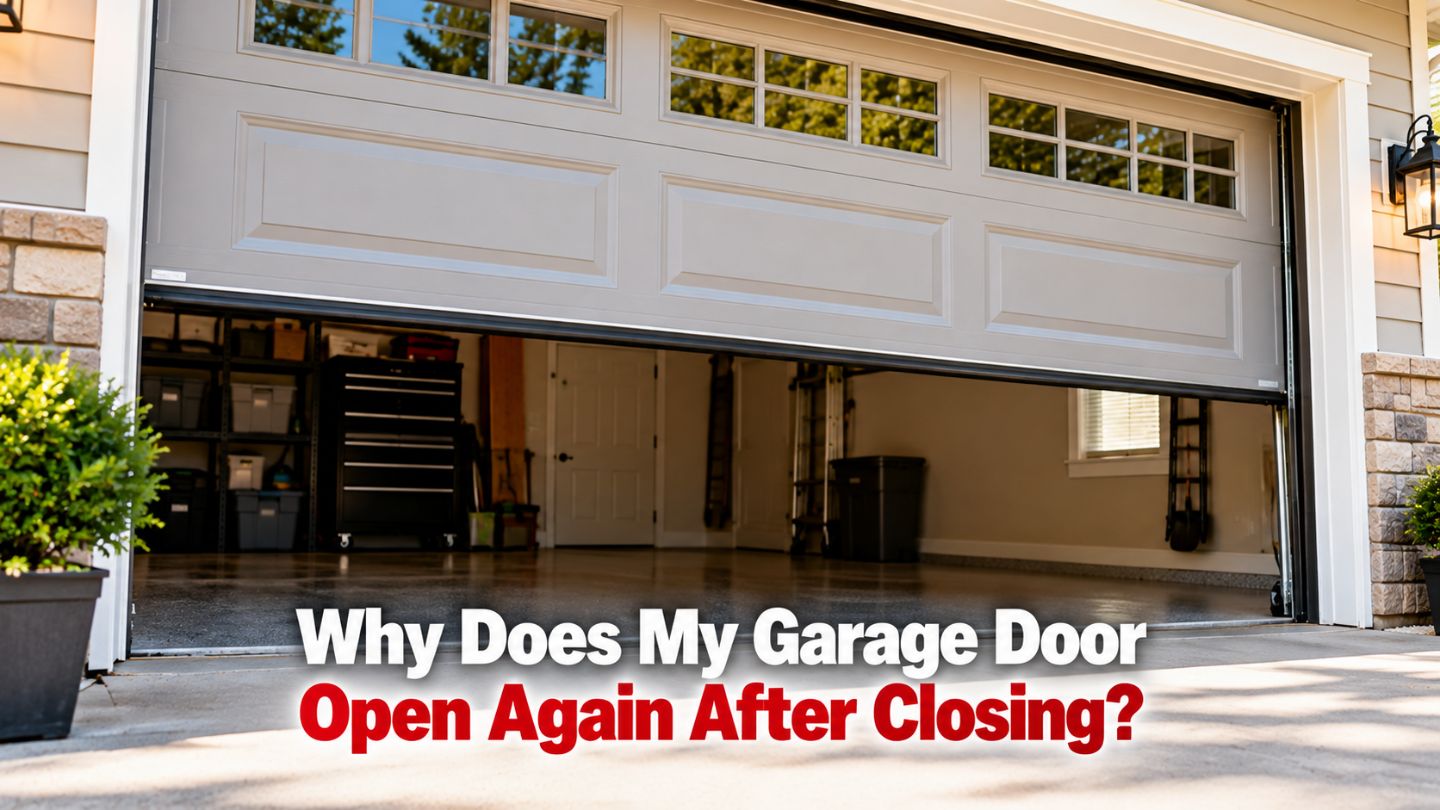
You press the button, watch your garage door glide down, hear it touch the floor-and then it rolls right back up as if it changed its mind. If you have ever stood in your driveway asking yourself why does my garage door open again after closing, you are far from alone. Ohio homeowners deal with this frustrating behavior regularly, especially as seasons shift and temperatures swing.
The good news is that a garage door that closes and then reverses is almost always the safety system doing its job-sometimes a little too eagerly. The cause typically traces back to garage door sensors, opener settings, or a physical issue somewhere in the door system. In this blog, we will walk through the most common reasons this happens, the safe checks you can try on your own, simple fixes worth attempting, and the moment it makes sense to schedule professional service.
Here is a quick summary before we dig into the details:
A residential overhead garage door is a surprisingly coordinated system. The door panels ride on tracks along each side of the door opening, guided by rollers. Torsion or extension garage door springs counterbalance the door's weight so the garage door opener motor is not lifting the full load on its own. The opener drives a trolley along a rail, pulling the door up or pushing it down through each cycle.
Modern openers are built with multiple layers of safety that monitor the door's movement from the moment it starts closing. If any of those layers detect something wrong-an object blocking the path, unexpected resistance, or the door traveling farther than it should-the opener stops and reverses direction. That is why the door seems to have a mind of its own: the system is designed to protect people, pets, and property from being caught underneath a closing door.
Picture a child's bike parked just inside the threshold. As the door descends, the infrared beam between the sensors is broken before the door even reaches the ground. The opener immediately reverses. The same logic applies when a setting is slightly off or hardware adds resistance the opener was not expecting.
Three distinct safety systems work together, and any one of them can trigger an automatic reverse.
Photo eye sensors are mounted near the bottom of the door opening. One sensor sends an invisible infrared beam across the opening; the other receives it. If anything breaks that beam while the door is closing, the opener reverses instantly. Garage doors have built-in sensors to prevent crushing of objects in their path, and federal law requires garage doors to have safety sensors since 1993. Sensors should be positioned about six inches above the ground to catch low-lying obstructions.
Close-limit control tells the motor when to stop moving the door downward. Limit settings control how far the door travels. If the setting overshoots and pushes the door past the floor, the opener senses extra resistance and reverses. Incorrect limit settings can cause the door to reverse even when nothing is actually blocking the path.
Force or sensitivity control measures how much resistance the door meets during travel. Force settings affect how much resistance triggers a reversal. If the door encounters more friction than the threshold allows-whether from worn rollers, a stiff seal, or cold-thickened lubricant-the system treats it as an obstruction and sends the door back up.
When a garage door closes and then reverses, it often signals misadjusted safety mechanisms or limits. Most problems fall into a small group of common reasons, and understanding which one applies to your situation makes fixing it much simpler. Below are the major root causes Ohio homeowners encounter.
The garage door sensors sit a few inches above the ground on either side of the door opening-small units with indicator lights on the front. Dirty sensors may trigger the garage door to reverse unexpectedly. Dust, cobwebs, yard debris, or a bracket bumped by a lawnmower or storage bin can break the beam or knock the alignment off just enough to cause a false signal.
Common signs include one sensor light blinking while the other stays steady, the door starting down and immediately reversing, or the problem happening only at certain times of day. Direct sunlight can scatter sensor beams, causing false obstructions-a common issue when afternoon sun hits one sensor at just the right angle. Misaligned sensors can cause unexpected garage door operation even when nothing visible is blocking the path. Never tape, bypass, or remove the sensors; they exist to prevent serious injury.
A garage accumulates clutter, and even a small object on the ground near the threshold can trigger a reverse. A slightly raised concrete edge, a pebble lodged underneath the seal, or a tool leaning into the door's path may be all it takes.
Ohio garages are full of seasonal items-snow shovels, bags of salt, kids' toys, rakes-that can drift into the door opening without anyone noticing. Physical obstructions in the track can lead to door reversals just as easily as obstructions on the floor. Clear the entire area and feel along the threshold for anything blocking or raising the surface where the seal meets the ground.
The close-limit switch tells the motor when to stop the downward cycle. Over years of use-or after a power outage or opener adjustment-the setting can drift. Improper travel limit settings can occur after adjustments or power outages in garage door systems, leaving the door trying to push past the floor. The classic symptom is the door hitting the ground, pausing for a moment, and then reversing because the opener thinks it struck something solid.
Adjust the close-limit switch to prevent reversals, but move it in very small increments and always test the safety reverse afterward. If you are unsure how to locate or adjust it, your garage door opener manual is the best starting point.
Excessive down-force sensitivity can make the garage door reverse when it encounters normal resistance-the everyday friction from tracks, rollers, weather seals, and door weight. A setting that is too sensitive reads routine contact as an obstruction and sends the door back up. The opener must also be appropriately rated for the garage door's weight, size, and construction to support reliable operation. Use this quick guide to choosing the right garage door opener size to understand which factors matter when selecting an opener for your door.
On some older units, these controls are small dials or screws on the motor housing that can be confusing to identify. Careless changes in either direction can create unsafe conditions: too high and the door may not reverse when it should; too low and it reverses constantly. If the opener is showing its age, having a technician inspect and calibrate these settings is the safer path.
A bent track section, loose brackets, dried-out or worn rollers, or missing fasteners can make the door bind or stick at a specific point during travel. Debris in the tracks can increase tension and force the garage door to reverse at the same spot every time. Regular lubrication of moving parts, including rollers and hinges, can help reduce friction that interferes with smooth door movement. Learn how often you should lubricate your garage door to understand how routine maintenance can help prevent unnecessary wear and operational issues.
Watch for popping or grinding noises, the door jerking or tilting during its cycle, or visible gaps where tracks have shifted away from the wall. These are signs of a mechanical issue that needs attention. Inspect the tracks visually, but do not attempt to bend them back into shape yourself-improperly adjusted tracks can cause the door to come off the rails entirely.
Garage door springs counterbalance the door's weight, and lift cables connect the springs to the door panels. Mechanical issues or improper balance can disrupt the closing function of a garage door. When springs are worn, stretched, or broken, the door becomes much heavier for the opener to manage, and the inconsistent resistance can trigger the force-reverse system.
Warning signs include a loud bang from the garage (a spring snapping), a door that looks crooked or sits unevenly, or a door that feels extremely heavy when you try to lift it manually. Spring and cable work involves high tension and is genuinely dangerous-this is not a DIY job.
Wiring issues or a faulty logic board can falsely trigger a garage door's reversal. A stuck wall control button can cause unexpected behavior in garage door operation-the opener receives a second "open" signal right after closing. Rodents chewing through wires, corroded connections, or a worn keypad can all send phantom signals.
Symptoms include the door moving without anyone pressing a button, flashing lights on the opener unit after a reverse, or inconsistent behavior that does not match any mechanical pattern. Radio frequency interference can cause garage doors to open unexpectedly if a neighbor's remote control happens to operate on the same frequency. Extreme temperature changes can affect garage door circuit boards, especially in openers that have been in service for many years. If the system seems to be malfunctioning unpredictably, unplug the opener and schedule a service visit.
Ohio's climate puts unique stress on garage door systems. Cold weather can increase friction, causing the door to reverse as lubricants thicken and metal components contract. Humidity can cause wooden floors to swell, affecting door operation by raising the effective threshold. Condensation can interfere with wiring and sensors in garage doors, especially during rapid temperature shifts in spring and fall.
Freeze–thaw cycles shift concrete slabs and heave garage floor edges, changing where the bottom seal meets the ground by just enough to trigger a reverse. Seasonal maintenance helps keep the system adjusted to these conditions and avoids repeated cycles of the door struggling to close properly.
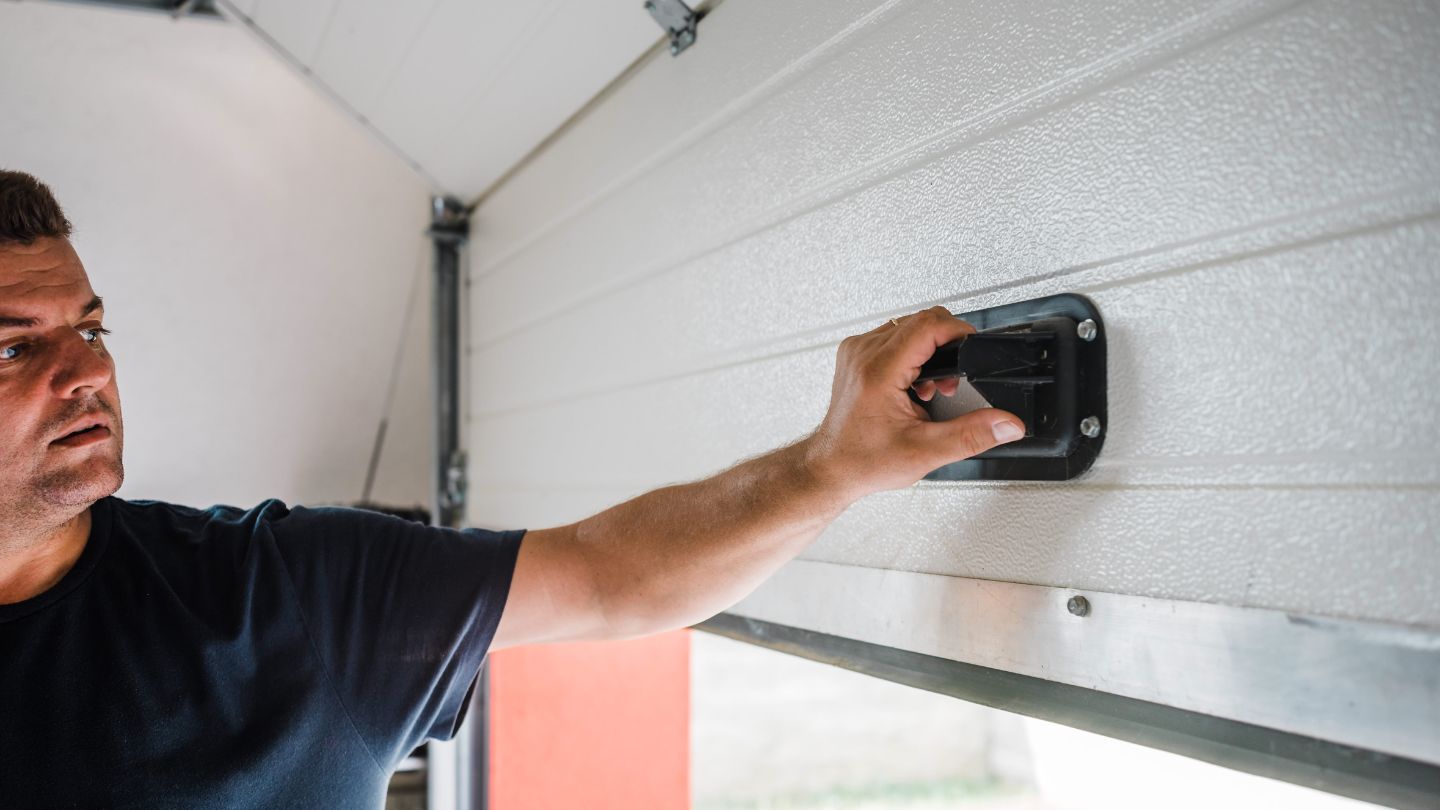
Before reaching out for repair, a few basic checks can often identify-or even solve-the problem. A critical safety note: never remove springs, cables, or opener covers, and never stand directly underneath a moving door.
Stand well clear of the door, press the wall button, and watch the entire closing cycle. Note exactly when the reverse happens-immediately, mid-travel, or after the door reaches the ground. Listen for grinding, squeaking, or popping sounds and watch for any jerky motion in the door's movement. Check whether the opener lights flash or the sensor lights blink at the moment of reversal. This observation alone can help determine which system is happening to trigger the reverse.
Move vehicles, bikes, ladders, storage totes, and anything else away from the door opening. Feel along the floor where the bottom seal meets the ground, checking for gravel, hardened dirt, ice buildup, or a raised concrete ridge. Sweep the threshold clean and test the door again to confirm whether an obstruction was the cause.
Locate both photo eye sensors near the bottom of the vertical tracks. Gently wipe each lens with a soft, dry cloth and clear away any spider webs, leaves, or debris blocking the beam path. Check the indicator lights on each sensor-they should glow steadily, not blink. If one is blinking or off, gently adjust the sensor bracket by hand until the light holds steady, then test the door again.
Pull the red emergency release cord to disconnect the door from the opener while the door is in the closed position. Carefully lift the door by hand to about the halfway point. A balanced door should stay in place without drifting up or down. If the door feels extremely heavy, drops quickly, or sits crooked, reconnect the opener and call for service. These are signs of spring or balance issues that need professional attention.
Inspect your remote control for stuck buttons or worn rubber pads. Replace batteries if the signal seems weak or inconsistent. Check the wall-mounted button to make sure it is not stuck in a pressed position. Move remotes off dashboards or out of bags where something might accidentally press the button and send a signal to open the door at the wrong moment.
Some simple fixes-cleaning sensors, clearing debris, replacing remote batteries-are well within a homeowner's ability. But when the issue involves the mechanical or electrical heart of the system, the risks outweigh the savings of a DIY approach.
The following tasks should always go to professionals:
A trained technician will inspect the full system in a structured sequence: sensor alignment and wiring, track condition and roller health, spring balance and cable integrity, opener settings, and electrical connections. They will test the safety reverse, verify sensor beam performance, and check the door's balance in manual mode. Based on the opener's age and overall condition, they can also recommend whether a targeted repair or a full opener replacement is the smarter long-term investment. If the inspection reveals that the existing door needs replacement rather than repair, understanding the installation process can help you plan ahead. Find out how long it takes to install a garage door to learn about the typical timeline and factors that may affect the work.
A little routine care goes a long way toward keeping your garage door operating reliably through every Ohio season.
Wipe the sensor lenses periodically, especially after yard work, storms, or heavy pollen seasons. Visually inspect hardware for loose bolts, brackets, or hinges each time you notice the door sounds different. Listen for new noises-they are almost always early warning signs of something beginning to wear. Acting quickly on small issues prevents them from growing into expensive problems.
Schedule a quick inspection as weather transitions from cold to warm or vice versa. Check the bottom seal and threshold for damage after winter ice and road salt exposure. On very cold or very humid days, pay extra attention to the door's performance-if it begins reversing repeatedly under specific conditions, note the pattern and share it with a technician. Keeping the tracks and rollers properly lubricated reduces friction that seasonal temperature swings amplify.

A garage door that reopens after closing may have misaligned safety sensors, incorrect travel settings, track obstructions, or mechanical issues. Identifying the underlying cause is essential for restoring proper operation and preventing safety risks. Professional inspection and timely repairs can help ensure your garage door closes securely and functions smoothly.
Dayton Door Sales provides reliable garage door repair in Kettering, helping homeowners resolve unexpected door issues and restore smooth operation. We also offer entry and patio doors, residential garage door services, and commercial garage door solutions to meet different property needs. Contact us today to schedule professional service and request an estimate!
This usually means the close-limit setting is telling the opener to push past the point where the door meets the floor, or the force setting is picking up normal resistance from the bottom seal or threshold and interpreting it as an obstruction. A quick check of the photo eye sensors and the floor surface where the door lands is a good first step before looking at opener settings.
Look at the indicator lights on each sensor near the ground. If one light is blinking, dim, or completely off, the sensors are likely out of alignment or dirty. Gently clean both lenses and adjust the brackets until each light glows steadily. If the lights will not stay steady after cleaning and adjustment, the wiring or sensor unit itself may need professional attention.
Minor adjustments are generally safe if you follow your opener manual carefully and make changes in very small increments. After every adjustment, test the safety reverse by placing an object on the floor under the door-it should reverse promptly upon contact. Large or random changes can create dangerous conditions, so if you are unsure what you are doing, schedule a service visit instead.
Cold weather can increase friction throughout the door system-thickened lubricant on rollers and hinges, stiff weather seals, and contracted metal components all add resistance. Ice or frost on sensor lenses can also block the beam. Seasonal tune-ups and sensor checks help keep everything adjusted for Ohio's winter conditions.
Stop and schedule service if the door feels unusually heavy or hangs crooked when you test it in manual mode, if you hear a loud bang suggesting a broken spring, if reversals continue after you have cleaned the sensors and cleared the floor, or if you notice frayed cables or grinding sounds during travel.


