
Contact Dayton Door Sales Today!
Thank you! Your submission has been received!
Oops! Something went wrong while submitting the form.


If you're a Beavercreek homeowner planning to replace an aging garage door, one of the first questions that comes to mind is whether your existing garage door tracks can stay in place. The short answer: reusing old tracks during a new garage door installation is technically possible, but it depends entirely on the condition, compatibility, and safety of the current track system. Many homeowners want to save money and avoid unnecessary work, which is understandable - but tracks that seem fine on the surface may not support a new door the way you'd expect.
This post walks through everything you need to know before making that decision. You'll learn how professionals evaluate existing tracks, when reuse might be appropriate, why most installations pair a new garage door with new tracks, and what Beavercreek homeowners should keep in mind given our local climate and housing stock.
Garage door tracks are the metal rails that guide your door's rollers as the panels travel up, over, and along the ceiling of your garage. A typical track system includes vertical tracks mounted on each side of the opening, horizontal tracks that run along the ceiling, radius curves connecting the two, mounting brackets, and the rollers themselves.
In Beavercreek homes - many of which were built several decades ago - you'll commonly find standard-lift tracks designed for single-skin steel or wooden panel doors. Some garages with limited headroom may have low-headroom configurations with specialized hardware. Over time, the steel components in any of these setups are exposed to Ohio's freeze-thaw cycles, humidity, and even road salt tracked in by your car. This exposure can cause rust, warping, and loosened brackets that aren't always visible at first glance.
If you notice slight bends near the bottom of your vertical tracks, surface corrosion where snowmelt tends to pool, or brackets that feel loose when you press on them, these are signs that your tracks have been affected by years of use and weather. Even tracks that look serviceable on the outside may have hidden wear that compromises their ability to support a new door.
Your garage door system is engineered as a matched set of components. The door panels, springs, rollers, cables, opener, and tracks are all sized and selected to work together; when you change one major element - like replacing an old door with a new one - the demands on the rest of the system shift.
Modern garage doors are often heavier and require stronger tracks compared to older models. If you're upgrading from a thin, non-insulated steel door to a thicker insulated model for better energy efficiency, the added weight changes the load on your tracks, brackets, and even the framing around your garage opening. New garage door installations often require tracks to match the door's specifications, including roller profile, track gauge, and radius dimensions.
Here's what typically changes when a door is upgraded:
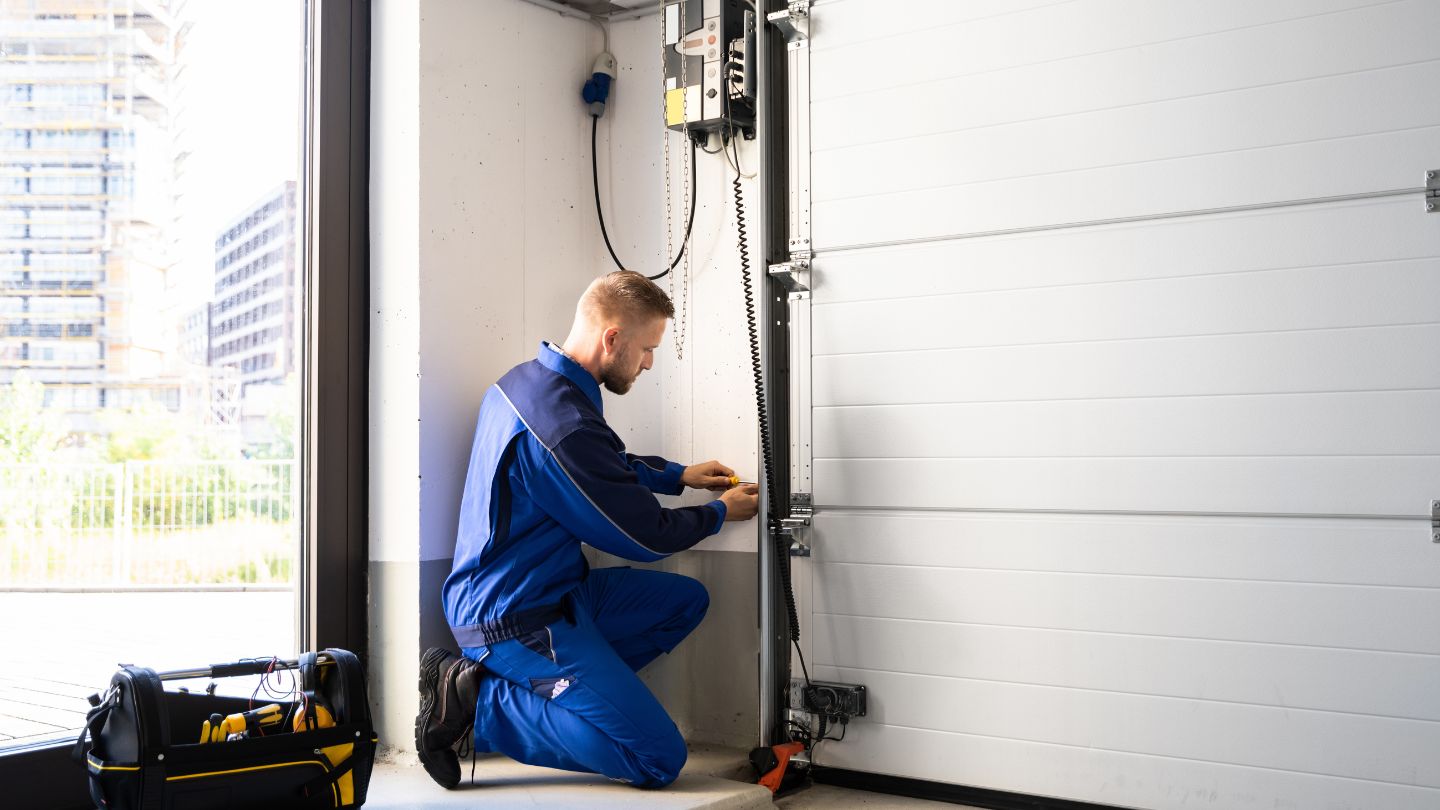
Yes, existing tracks can sometimes be reused during a new garage door installation in Beavercreek - but only after a qualified technician confirms they are fully compatible and structurally sound. The decision should never rest on cost alone. Garage door installation involves components that must be correctly matched and aligned, which is why homeowners in Beavercreek should understand why a garage door installation should not be a DIY project. Mixing old tracks with a new door can lead to operational issues that end up costing more in the long run. Avoiding common installation errors is important, so homeowners can review garage door installation mistakes to avoid in Beavercreek before moving forward with a replacement.
Every situation is different. The answer depends on the specific new door you've chosen, the condition and specifications of your current tracks, and the layout of your garage. A track system that worked perfectly for your old door may not accommodate the weight, dimensions, or hardware of a new one.
Before any reuse is approved, a trained technician will verify these key factors:
Old tracks must match the new door's specifications. If any of these conditions aren't met, reuse is not recommended.
When you schedule a new garage door installation, a technician will perform an on-site evaluation - not a phone estimate - because the garage structure, opener placement, and track condition all need to be assessed in person. This is the best way to determine whether your tracks can stay or need to be replaced.
Here's what to expect during a professional track evaluation:
Each of these steps helps the technician give you an honest, informed recommendation - not a guess.
Reuse isn't always off the table. In certain situations, keeping your existing tracks is a practical option that can save installation time and reduce the overall cost of your project.
Reusing old tracks can reduce overall garage door replacement costs and can save installation time significantly. However, the savings only hold up if the tracks truly meet every compatibility and safety requirement.
In practice, most professionals recommend replacing tracks with the new door to ensure proper support. A new garage door track is engineered alongside the panels, rollers, and hardware to deliver a complete, matched system. When everything is designed to work together, you get smoother operation, quieter performance, and a longer service life.
Installing new tracks can ensure better long-term performance. New tracks can last many years with routine maintenance, making them a wise investment for your property.
Today's garage doors include features that depend on precise track alignment and hardware compatibility:
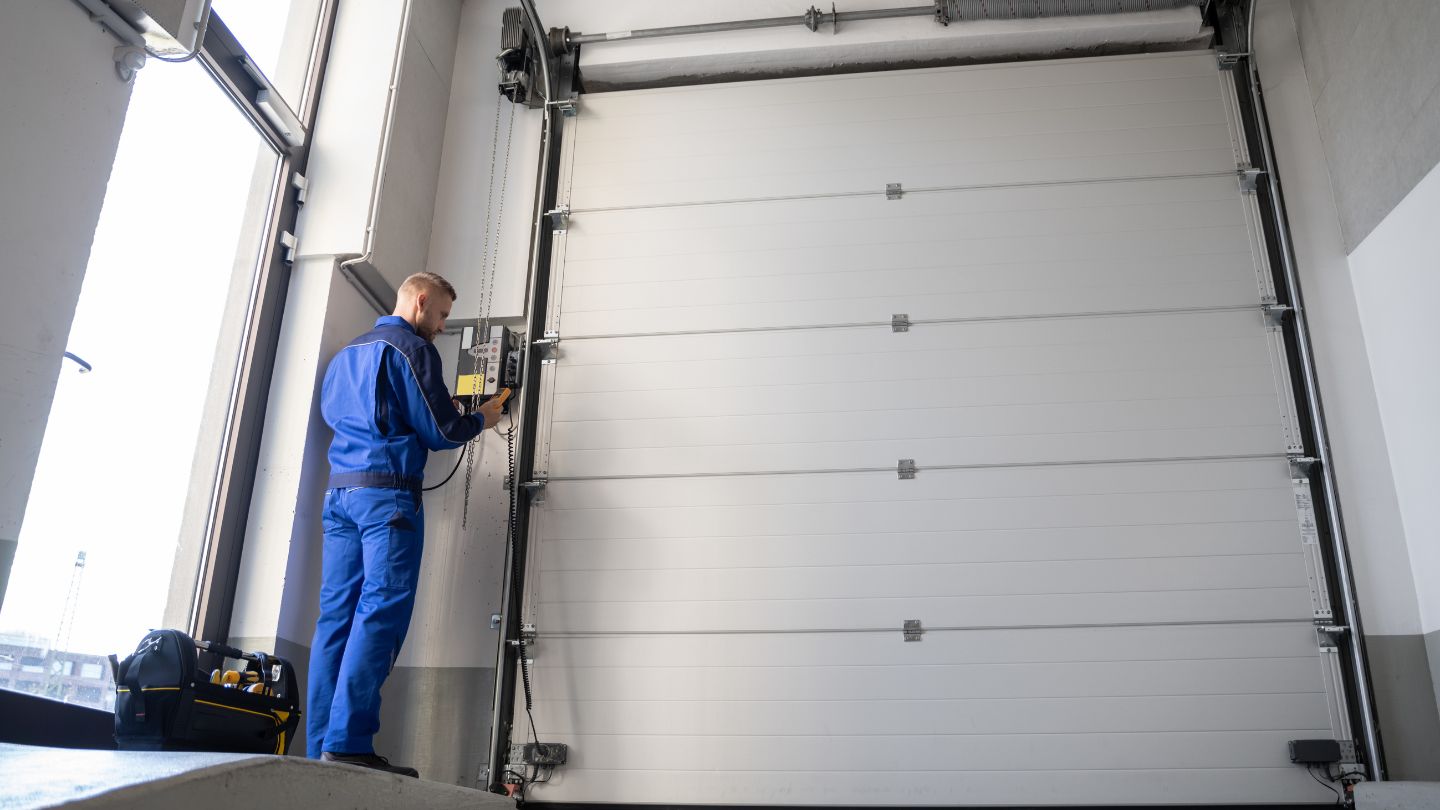
The choice to reuse or replace tracks directly affects how your garage door performs every day. Proper alignment of garage door tracks is crucial for safe operation - when tracks are correctly matched and installed, the door travels smoothly, the opener operates within its designed force range, and the door seals properly when closed.
Old garage door tracks can warp or fail under stress, creating safety hazards. A damaged residential garage door that jumps its tracks or binds mid-cycle can be dangerous to anyone nearby and can damage the door panels, opener, or your car. Reusing old tracks can compromise safety and functionality if those tracks weren't designed for the new door's weight and hardware.
If you've recently had a new door installed and notice any of the following, it may indicate a track issue:
If you notice any of these signs, schedule a garage door repair visit promptly. Old tracks can hinder the functionality of new garage doors, and catching the issue early prevents further damage.
The best way to approach a new garage door installation is to start with a consultation where the technician evaluates your entire garage - not just the door. During a free estimate, the technician will discuss whether reusing your existing tracks is realistic or if a new garage door track and fresh hardware are the better path forward. Knowing what to expect during the garage door installation process can also help homeowners understand the different stages involved before installation begins.
Don't hesitate to ask to see the reasoning behind the recommendation. A quality company will show you exactly what they found - whether that's rust at the track base, a bracket pulling away from the framing, or a profile mismatch with the new door's rollers.
Before the technician arrives, write down these questions so you're prepared:
Old tracks may void the warranty on a new garage door, so understanding how reuse affects your coverage is an important part of the conversation. Old tracks may not save money if they cause future issues that require additional repair or replacement work.
Reusing existing garage door tracks during a new installation may seem practical, but compatibility, condition, and proper alignment matter. Evaluating the track system before installation helps ensure smooth operation, safety, and long-term performance while avoiding potential issues caused by worn or mismatched components.
Dayton Door Sales offers reliable solutions with our garage door installation in Beavercreek, helping homeowners choose the right setup for their new garage doors. We provide entry and patio doors, residential, and commercial door solutions to meet different property needs. Contact us today for professional guidance and to ensure your garage door installation is completed correctly.
It can be safe when the tracks are in good condition, properly aligned, and fully compatible with the new door's weight and hardware specifications. However, a trained technician must confirm this through an on-site inspection. Old tracks can become worn, rusted, and warped over time, so visual appearance alone isn't enough to make this call safely.
During an estimate visit, the technician will measure your track profile, gauge, width, and radius curves, then compare those dimensions to the requirements of the new door. If the door tracks don't match the new door's roller type or can't support its weight, replacement will be recommended.
Reusing old tracks can reduce overall replacement costs by saving on materials and installation time. However, if the old tracks cause binding, noise, or premature wear on other components, the savings can quickly disappear. It's important to weigh any short-term price reduction against long-term performance and potential future service needs.
This is not recommended. Hidden issues like metal fatigue, internal corrosion, slight warping, or loosened bracket anchors are easy to miss without the right tools and training. Reusing old tracks without a professional evaluation can compromise the functionality of your new garage door and may void the manufacturer's warranty.
Schedule a service visit as soon as possible. A technician can check track alignment, roller condition, bracket security, and the overall system setup to identify the source of the problem. Addressing track issues early helps prevent further damage to your door panels, springs, or opener and restores smooth, quiet operation.
.jpg)


