
Contact Dayton Door Sales Today!
Thank you! Your submission has been received!
Oops! Something went wrong while submitting the form.

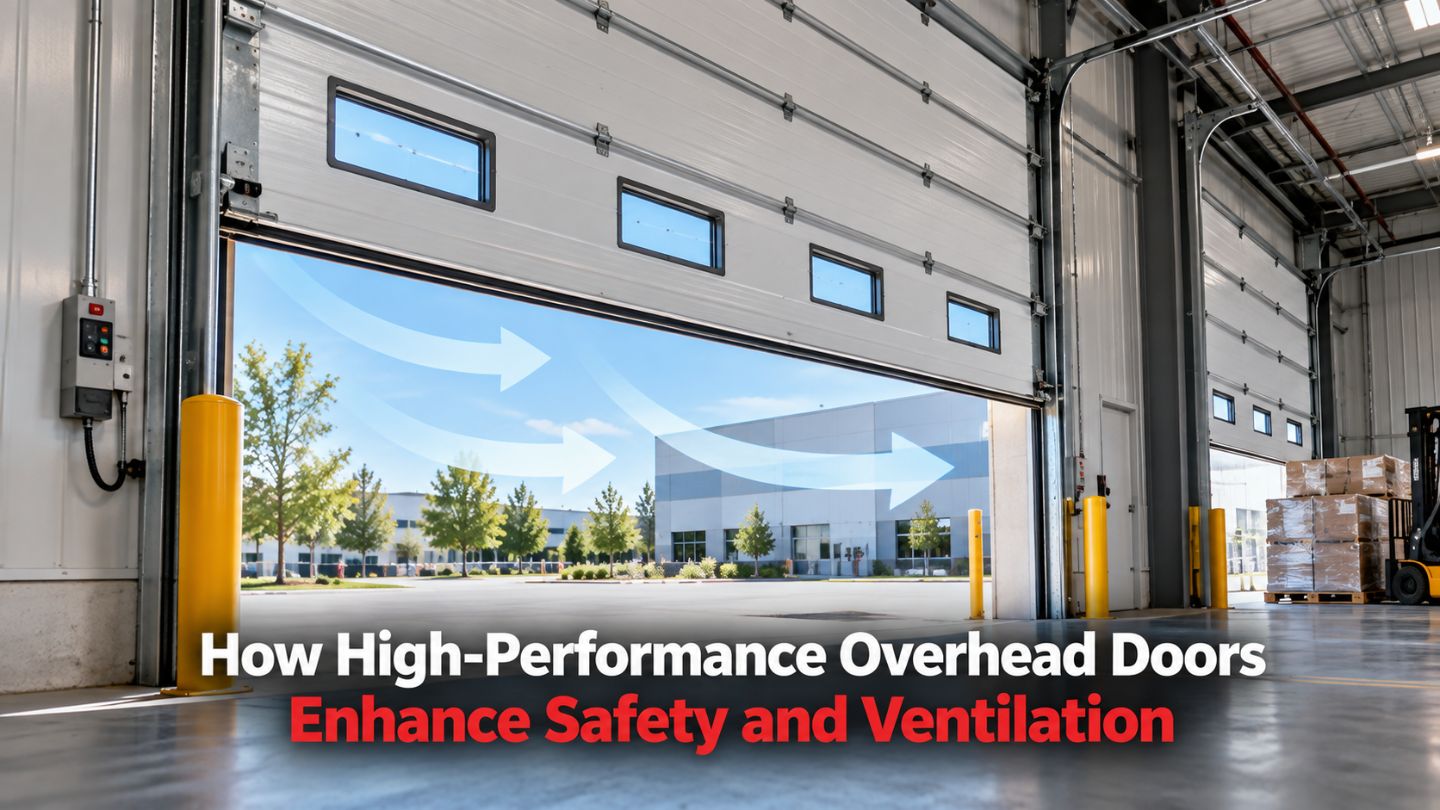
Picture a busy Ohio auto shop on a humid July afternoon. Vehicles roll in and out every few minutes, exhaust fumes linger near the ceiling, and technicians work just steps from a door that opens and closes dozens of times per hour. The overhead door at that opening does far more than separate inside from outside-it directly shapes the air people breathe and the safety of every person and vehicle passing through. Understanding how high-performance overhead doors enhance safety and ventilation starts with recognizing that these doors are engineered systems, not simple barriers.
High-performance doors are purpose-built for speed, durability, and intelligent control. They cycle faster, seal tighter, last longer, and integrate safety sensors that standard doors simply do not offer. Whether the setting is a commercial loading dock, a parking garage, or a residential workshop, these doors play a pivotal role in managing air quality, protecting people, and keeping operations moving without unnecessary risk.
This blog breaks down the specific safety features, ventilation design options, and configuration strategies that make high-performance overhead doors a smart investment. We will also cover practical maintenance habits, real-world application examples across commercial spaces and residential garages, and the questions to ask before selecting the right door for your facility.
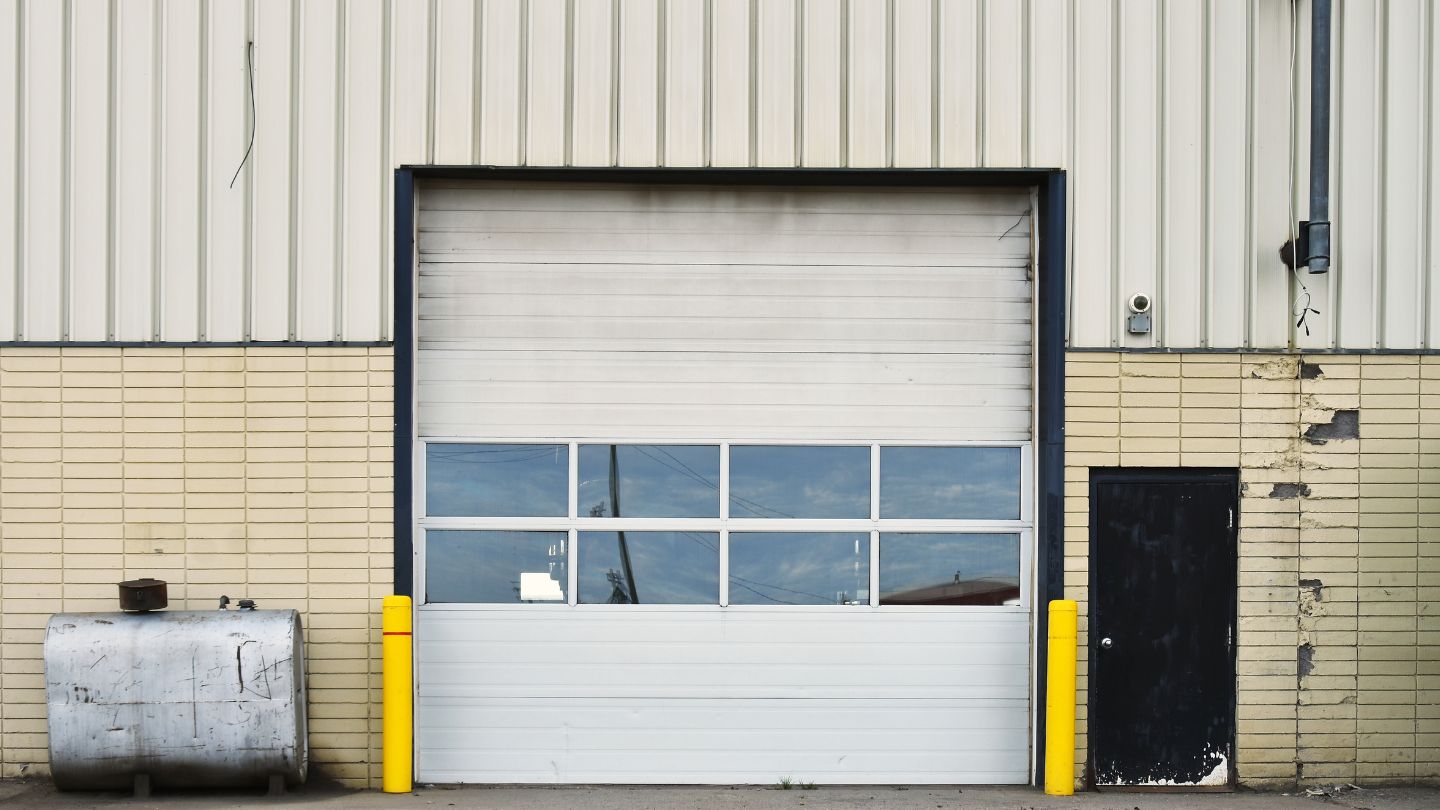
The term "high performance" describes an overhead door built for frequent use, rapid cycling, and enhanced durability compared to traditional doors. These doors feature robust construction-heavy-gauge steel panels, reinforced tracks, and operators designed for sustained daily operation. They also include integrated safety systems such as photo-eye sensors, safety edges, and emergency manual release mechanisms that go well beyond the basics.
Both residential garage doors and commercial overhead doors can be specified as high-performance. The difference lies in how the door is engineered to handle demand. A busy service garage that opens its door dozens of times each day needs a door that will not degrade under that workload. A homeowner who uses a multi-car garage as a workshop or gym benefits from the same reliability and safety features, just scaled to a different setting.
Think of it this way: a standard roll-up or sectional door gets the job done for light use. A high-performance door is designed for environments where the door is a working part of the operation-not just an afterthought.
Several design elements set high-performance doors apart when it comes to safety and ventilation:
Materials play a crucial role here. Insulated steel panels with built-in vents or perforated sections encourage controlled airflow without sacrificing structural integrity. When paired with modern operators and controls, these doors can be programmed to open to specific heights, hold at ventilation positions, or close on a timer-coordinating speed, opening height, and timing to support both airflow and safety in a single system.
Safety around an overhead door involves protecting people, vehicles, and property. In garages, loading docks, and workshops, the door opening is one of the highest-traffic zones in the building. Faster, smoother door motion combined with better visibility and modern controls directly reduces the risk of collisions, entrapment, and equipment damage.
In Ohio's commercial and residential spaces-auto shops, municipal buildings, distribution areas, and multi-car garages-the stakes are real. A door that moves unpredictably, stalls mid-cycle, or lacks proper sensors creates hazards that affect workplace safety and daily well-being. High performance doors are engineered to remove those risks through a combination of speed, sensing technology, and reliable mechanical design.
These features deliver the most protection when they are properly adjusted, tested, and maintained by trained technicians. A sensor that has been bumped out of alignment or a safety edge that has not been tested in months may not perform when it matters most.
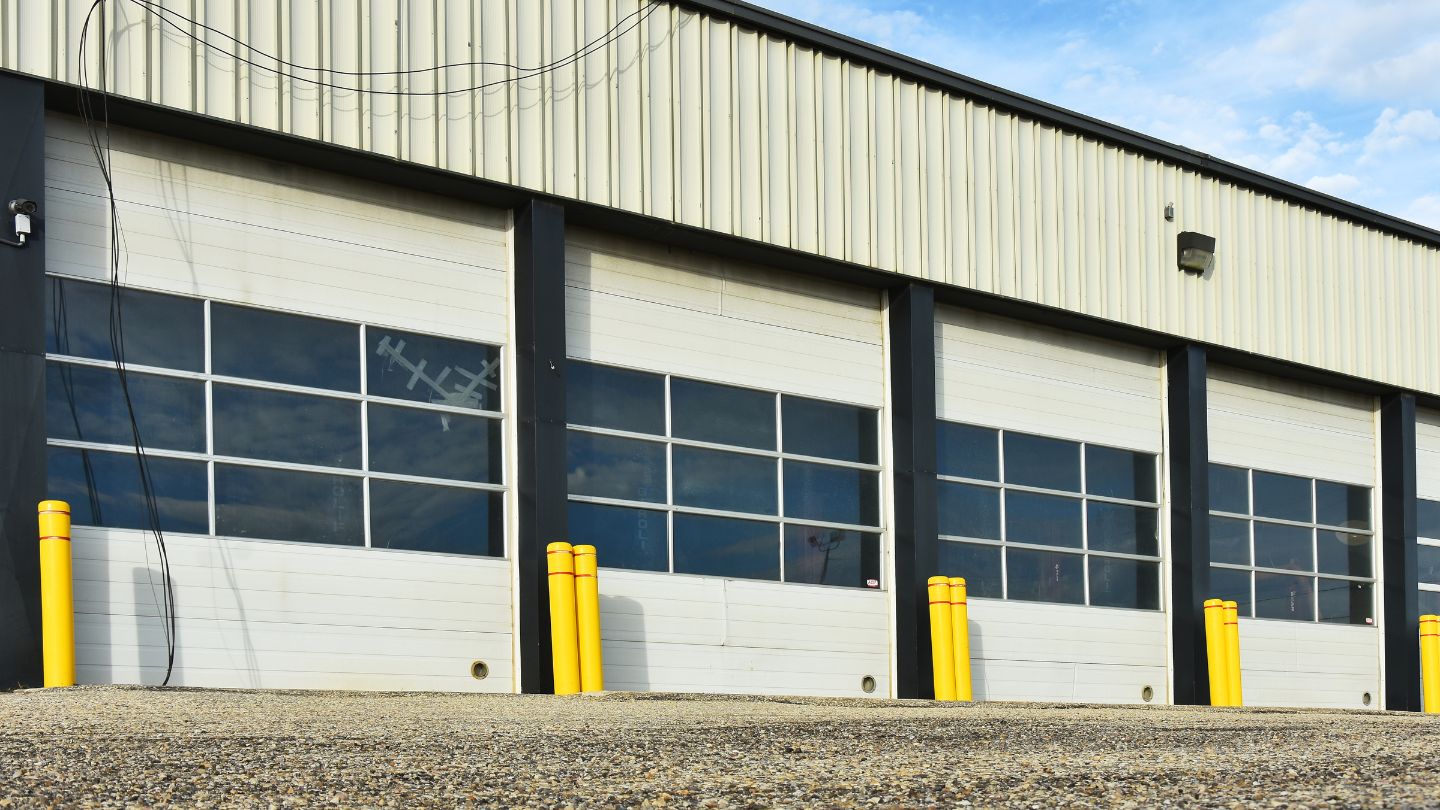
Proper ventilation around overhead doors matters more than many people realize. Vehicle exhaust fumes, humidity from rain and snowmelt, sawdust from woodworking, and chemical fumes from equipment all accumulate in enclosed garages and service areas. High-performance doors help prevent indoor air from becoming stagnant, and controlled airflow management improves indoor air quality by quickly circulating fresh air throughout the space.
There are two types of ventilation to consider. Passive ventilation is built into the door design itself-louvered panels, perforated slats, or grille sections that allow air to move even when the door is closed. Operational ventilation refers to how and when the door is opened: fully, partially, or held at a set height to encourage air exchange. High-performance doors can be configured to support both, which is especially valuable in garages, workshops, parking garages, and loading areas where air quality is a constant concern.
Several design choices encourage airflow while maintaining security and enhanced security:
Ventilated doors maximize fresh air inflow and reduce pollutants, and they also help reduce the entry of pests and contaminants. A local door professional familiar with Ohio's seasonal conditions-summer humidity, winter cold, and the transitions between-can recommend configurations that balance airflow with climate control and energy efficiency.
How the door is used day to day is just as important as how it is built. Even the best ventilated doors underperform if operational habits work against them.
Better ventilation directly supports comfort and improved productivity for technicians, customers, and families who spend time in these spaces every day. High-performance doors enhance air quality in parking garages, workshops, and residential garages alike. These doors also help reduce cross-contamination of indoor and outdoor air, keeping interior environments cleaner and healthier.
Every building has different priorities. A parking structure needs constant airflow but also high security after hours. An auto service bay needs quick opening and strong safety sensors. A residential workshop may prioritize keeping insects out while still getting fresh air on a warm afternoon. High-performance doors can be tailored to match these different use cases rather than forcing a one-size-fits-all solution.
High-speed operation enhances traffic flow by reducing exposure time of openings, while tight seals maintain indoor temperature control by blocking drafts and contaminants. These doors are essential for balancing security and environmental control in industrial settings, and they provide a robust layer of protection for assets across a wide range of applications.
In each case, the door, operator, and safety devices are chosen as a system. The right door for a given facility depends on how all of these components work together.
Homeowners increasingly use garages as workshops, gyms, and gathering spaces, which raises the need for both safety and fresh air well beyond what a basic garage door provides. Mold growth, lingering chemical odors, and condensation are common complaints in enclosed garages-especially during Ohio's humid summers and damp spring months.
Professional installation helps ensure safety features remain active while homeowners enjoy better ventilation and visual appeal from a well-configured garage.
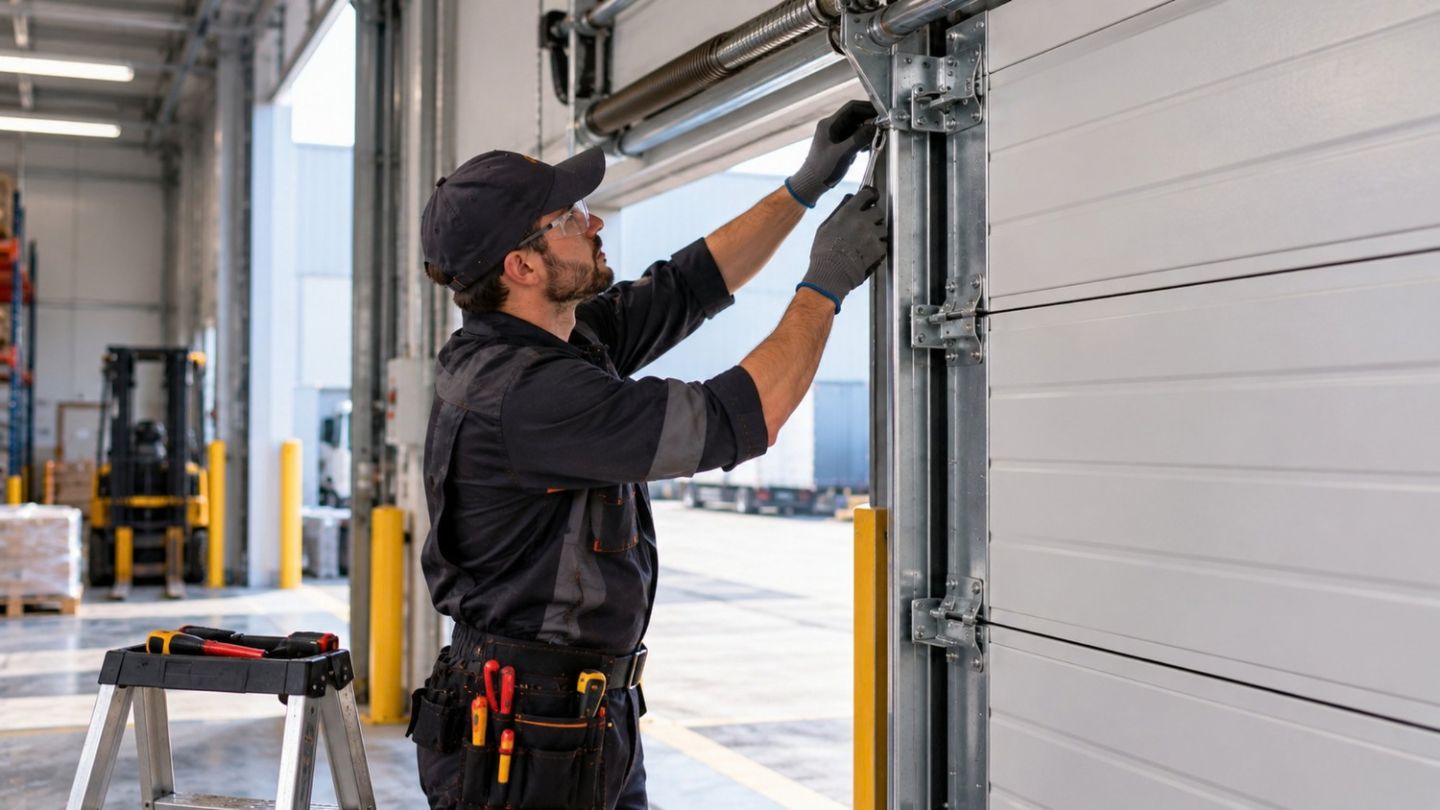
Door choice and ongoing care directly affect long-term safety, air quality, and energy consumption. A high performance door that is selected carefully and maintained consistently delivers improved energy efficiency, energy savings, and reliable protection for years. High-performance doors can last over a significant period with proper maintenance, and durable materials reduce wear and tear over time, enhancing reliability.
Selection should consider building use, traffic level, climate exposure, and any special ventilation requirements. A door that performs well in one setting may not suit another, which is why professional guidance from experienced, in-house technicians matters.
Before requesting an estimate, consider these questions and discuss them with your local door professional:
Having answers ready speeds up the recommendation process and helps ensure you get the right door for your specific requirements.
High-performance overhead doors rely on regular inspections and tuning to perform safely. For businesses relying on frequent door operation, knowing how often to schedule commercial overhead door service in Dayton can help keep the system operating reliably and reduce unexpected disruptions. High-performance doors are engineered with minimal wear parts for longevity, but that does not mean they can be ignored. These doors can withstand sustained heavy cycling with minimal maintenance, yet proactive care is what separates reliable operation from unexpected failure.
Proactive maintenance supports both safety and consistent ventilation performance, reducing maintenance expenses and protecting the investment you have made in a high-performance system. A detailed commercial overhead door maintenance checklist can help businesses keep track of the inspections and routine tasks needed to support dependable operation.
High-performance overhead doors play an important role in maintaining safer and more efficient commercial spaces. With improved ventilation, durability, and reliable operation, these doors help businesses manage daily operations while supporting a secure environment. Choosing the right door system ensures long-term performance and better protection for your facility.
Dayton Door Sales provides dependable solutions with our overhead doors in Dayton, helping businesses enhance safety and functionality with properly designed door systems. We offer service and repair, security grilles, and dock equipment solutions to support various commercial needs. Contact us today for professional assistance and find the right overhead door solution for your property.
Ventilated doors maximize fresh air inflow and reduce pollutants through features like perforated slats, louvered panels, and partial-open programming. Quick cycling and high-speed operation limit the time the opening is fully exposed, which helps reduce cross-contamination of indoor and outdoor air. This is especially important in spaces where vehicles idle or equipment produces fumes.
In some cases, adding screens, adjusting operator settings, or incorporating supplemental fans may improve airflow. However, if the door lacks vented panels, proper sealing, or a modern operator capable of partial-open modes, a new high-performance door with built-in ventilation is the better long-term solution. Have a technician inspect the current setup before deciding-what looks like a ventilation issue may also involve safety or insulation gaps.
The same safety and ventilation principles apply to residential garages, especially multi-car or workshop-style spaces where people spend extended time. Residential versions are designed to blend safety features-photo-eyes, safety edges, secure access control-with curb appeal and visual appeal that complement the home's exterior.
Regularly testing reversal systems and photo-eye sensors is the single most important habit. Keep remotes and wall controls out of reach of young children, and never allow anyone untrained to adjust springs, cables, or high-tension components. Schedule regular professional inspections to catch wear before it creates a hazard. High-performance doors require minimal preventive maintenance because of their durable construction, but they still need periodic attention.
Watch for persistent odors, condensation on walls or windows, visible exhaust haze, or signs of mold growth on stored items. If any of these are present, the current setup likely is not moving enough air. A local door and building professional can evaluate airflow patterns and recommend adjustments-whether that means adding vented panels, reprogramming the operator, or coordinating the door with broader cooling and ventilation strategies.
.jpg)


