
Contact Dayton Door Sales Today!
Thank you! Your submission has been received!
Oops! Something went wrong while submitting the form.


Preparing a home for garage door installation ensures efficiency and safety - and it's something every Beavercreek homeowner should prioritize before the installation team arrives. Whether you're replacing an old door or having a brand-new garage door installed for the first time, the work you do beforehand directly impacts how smoothly the entire installation process unfolds. Skipping preparation steps leads to delays, unexpected costs, and avoidable safety risks.
This blog walks you through exactly how to prepare your home for garage door installation in Beavercreek, OH - from taking accurate measurements and clearing your work area to handling structural checks, electrical requirements, and local permits. Follow these steps, and you'll set yourself (and your installers) up for a fantastic job from start to finish.
Accurate measurements prevent installation delays and costly adjustments - this is one of the most important steps you'll complete before your new garage door arrives. Verify the opening dimensions to match the specifications of the ordered door, because even small discrepancies between the rough opening and the door you've ordered can cause significant problems on installation day.
Start by measuring the rough garage door opening: width from the inside of one jamb to the other, and height from the finished floor to the underside of the header. Standard garage door sizes vary by home design and requirements, so don't assume your opening matches a "standard" size without confirming. Measure multiple times, because framing can be uneven - record the smallest measurement in each dimension, as that governs what hardware and door will fit.
Beyond width and height, three critical clearance zones determine what track system and opener system your installation crew can use:
If you're unsure about any measurements, call experienced professionals for a thorough inspection before ordering, as garage door installation mistakes to avoid can lead to costly adjustments. A precision garage door service provider like Dayton Door Sales can verify dimensions and recommend the right door and hardware for your specific garage.
Read More: What Are the Standard Garage Door Sizes?
Backroom refers to the depth of your garage - specifically, the distance from the face of the header back along the ceiling toward the rear wall. Clear at least several feet back into the garage, as the full horizontal track extends a distance roughly equal to the door height plus additional space for springs and panel clearance. This backroom requirement ensures panels can lie flat when the overhead door is fully open.
Different garage door styles change these demands. Sectional overhead doors require all three clearances - headroom, backroom, and side room. High-lift systems, which raise the door higher vertically before transitioning to horizontal travel, demand more headroom and stronger ceiling structure. If your garage doubles as a workspace, storage location, or has living space above, you'll need to account for how these clearances interact with your existing setup.
Beavercreek homes vary significantly in age and construction. Older residential properties often have lower ceilings, cross beams, HVAC ducts, or other structural elements that eat into available clearance. Identifying these constraints early helps you and your installer determine whether a standard door and track system will work or whether specialized hardware is required.
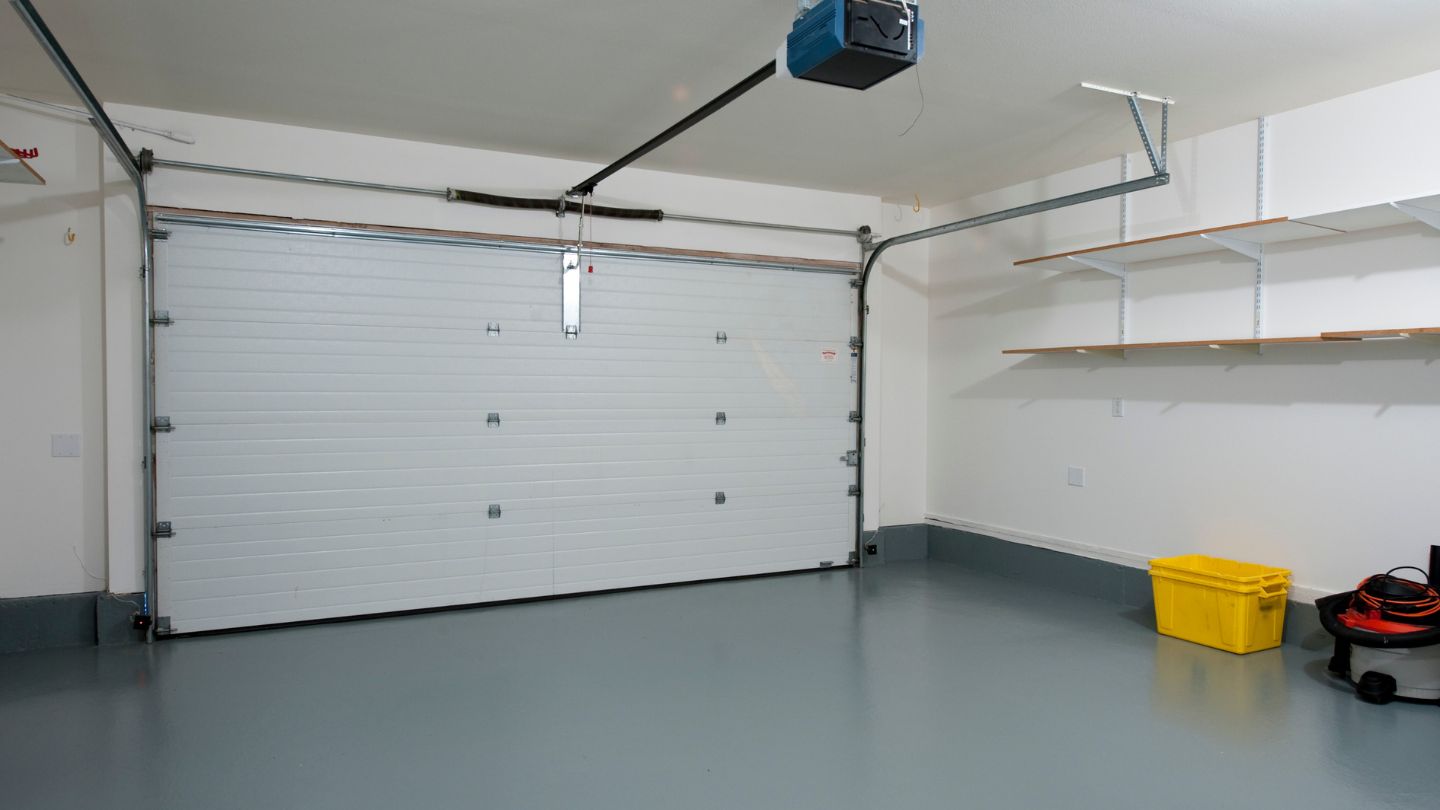
A well-prepared work area makes all the difference between an installation that wraps up on schedule and one that stalls before it starts. Garage doors are heavy - they can weigh significantly depending on size and material - so your installation team needs unobstructed space to operate safely.
Here's how to prepare your garage interior step by step:
Outside the garage, clear the area directly in front of the opening. If you have landscaping close to the entrance, cover plants or move containers to prevent damage. Secure any exterior items that could be knocked over during the removal of your old door.
Read More: How Long Does It Take to Install a Garage Door
This is where preparation goes beyond tidying up. Structural integrity and electrical compliance are non-negotiable for a safe, code-compliant garage door installation in Beavercreek.
Inspect the framing for conditions like rot or structural damage before installation. The header above the garage door opening supports critical loads - roof, attic, wall framing - and must be in solid condition. If the header is undersized, damaged by moisture, or compromised by termite activity, reinforcement or replacement must happen before your new door goes up. Structural issues must be addressed before installing a new garage door, as mounting heavy hardware to weakened framing creates serious safety risks, making DIY garage door installation a poor choice for homeowners.
Ceiling joists and rafters that will carry track hardware, springs, and opener motors also need a thorough inspection. Beavercreek's freeze-thaw cycles can cause moisture intrusion that weakens wood framing over time, so don't skip this step even if your garage looks fine from the outside.
Check electrical access to ensure a working outlet is near the garage door opener location. If you're planning opener installation with a new garage door, the outlet must be properly wired with appropriate circuit protection, and the garage door installation process includes preparing the necessary electrical connections. Running extension cords to reach a distant outlet isn't just inconvenient - it can violate building code. If no suitable outlet exists, schedule an electrician to complete rough-in wiring before your installation appointment.
Any automatic garage door opener installed must comply with UL 325 standards, which Ohio's residential building code requires. This means your opener system must include entrapment protection devices - photoelectric safety sensors and reversing mechanisms - and wall control buttons must be mounted at a height that prevents child access and maintains clear sight of the door.
Be aware of local permit requirements for garage door installation in Beavercreek. Most garage door installations require building permits, especially when structural or electrical work is involved. Beavercreek's planning and development department handles zoning permits, and applications typically require details about dimensions, setbacks, and proposed alterations.
Don't defer permits - obtain them well in advance of your scheduled installation date. Waiting until the last minute to discover you need approvals can push your project back by weeks, which is especially problematic if you're trying to complete the work before Beavercreek's harsh winter weather arrives.
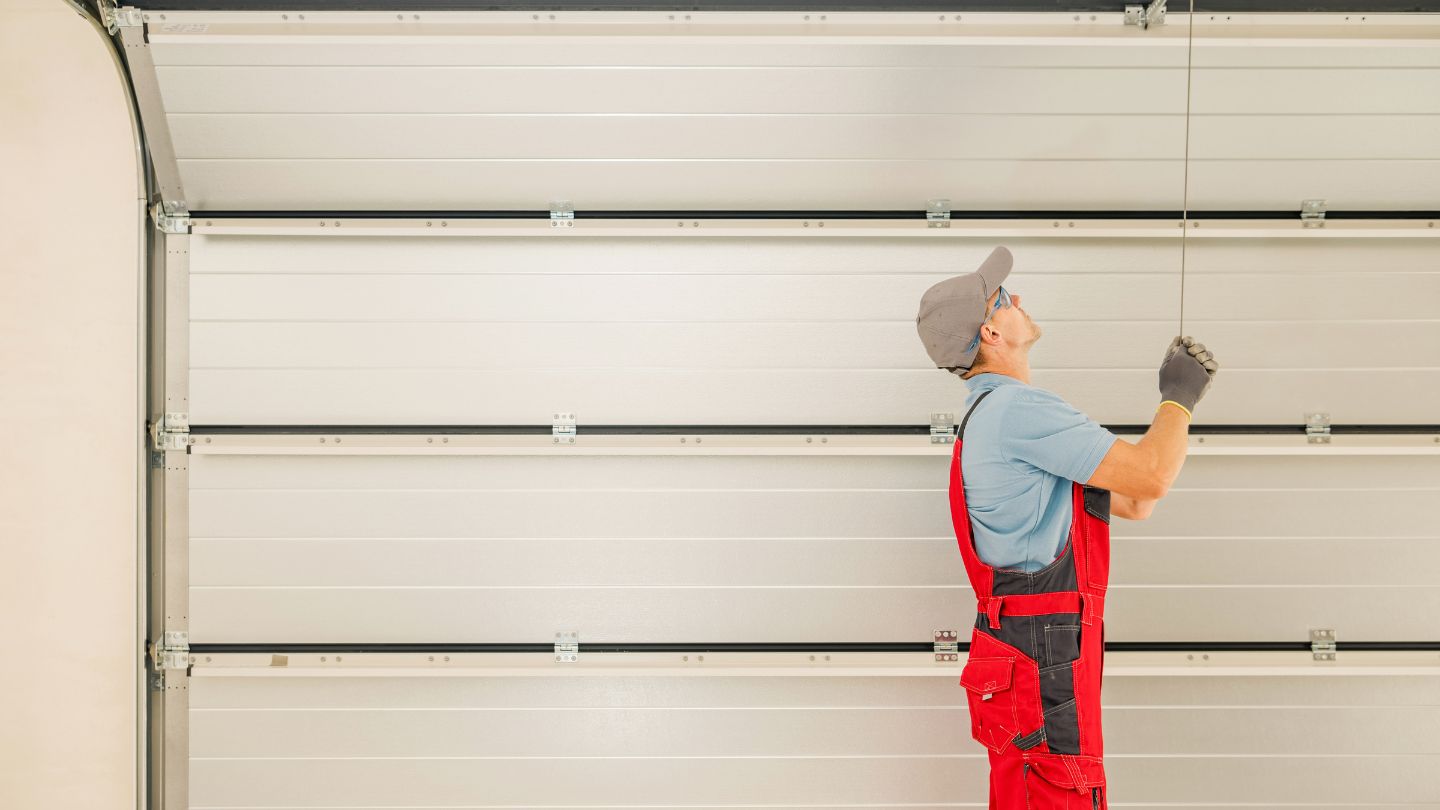
Preparing your home before garage door installation can make the project smoother, safer, and more efficient. Clearing the work area, securing stored belongings, checking access, and understanding the installation process help installers work without unnecessary obstacles. Proper preparation also gives homeowners confidence that their new garage door will perform reliably.
Dayton Door Sales can help make garage door installation in Beavercreek a straightforward experience with professional solutions tailored to your home's needs. We offer entry and patio doors, residential and commercial options, along with garage door openers and accessories. Contact us today to discuss your installation and take the next step toward a dependable new garage door.
Begin preparation several weeks before your planned installation date. This gives you time to obtain any required permits from Beavercreek's planning department, schedule structural or electrical upgrades if needed, and order any specialized hardware. Clear your workspace and complete final preparation a day or two before the installation crew arrives.
Structural issues must be addressed before installing a new garage door. If your thorough inspection reveals rot, moisture damage, or compromised framing in the header, jambs, or ceiling joists, hire a qualified contractor to complete repairs before installation day. Mounting heavy track hardware and springs to weakened framing creates serious safety hazards and can void warranties.
While you don't necessarily need to stand in the garage the entire time, you should be available on the property. Installation typically takes several hours depending on complexity - a standard single-door job is shorter than a double-door replacement. Being present allows you to answer questions, approve any adjustments, and complete a walkthrough with the technicians when the job is finished.
Modern garage door openers require a properly wired, grounded outlet near the opener location on the ceiling. The opener must comply with UL 325 safety standards, including photoelectric sensors and auto-reverse mechanisms. Wall control buttons must be mounted at an appropriate height for safety. If your garage lacks a convenient outlet, have an electrician install one before the installation team arrives.
Remove hanging items from the ceiling near the garage door opener area and take down anything mounted on walls close to the door frame. Cover valuables with protective sheets to shield them from dust and debris during installation. Move fragile or sentimental items to another location entirely. Clear the interior workspace well back from the opening to give installers safe room to work.
.jpg)


