
Contact Dayton Door Sales Today!
Thank you! Your submission has been received!
Oops! Something went wrong while submitting the form.

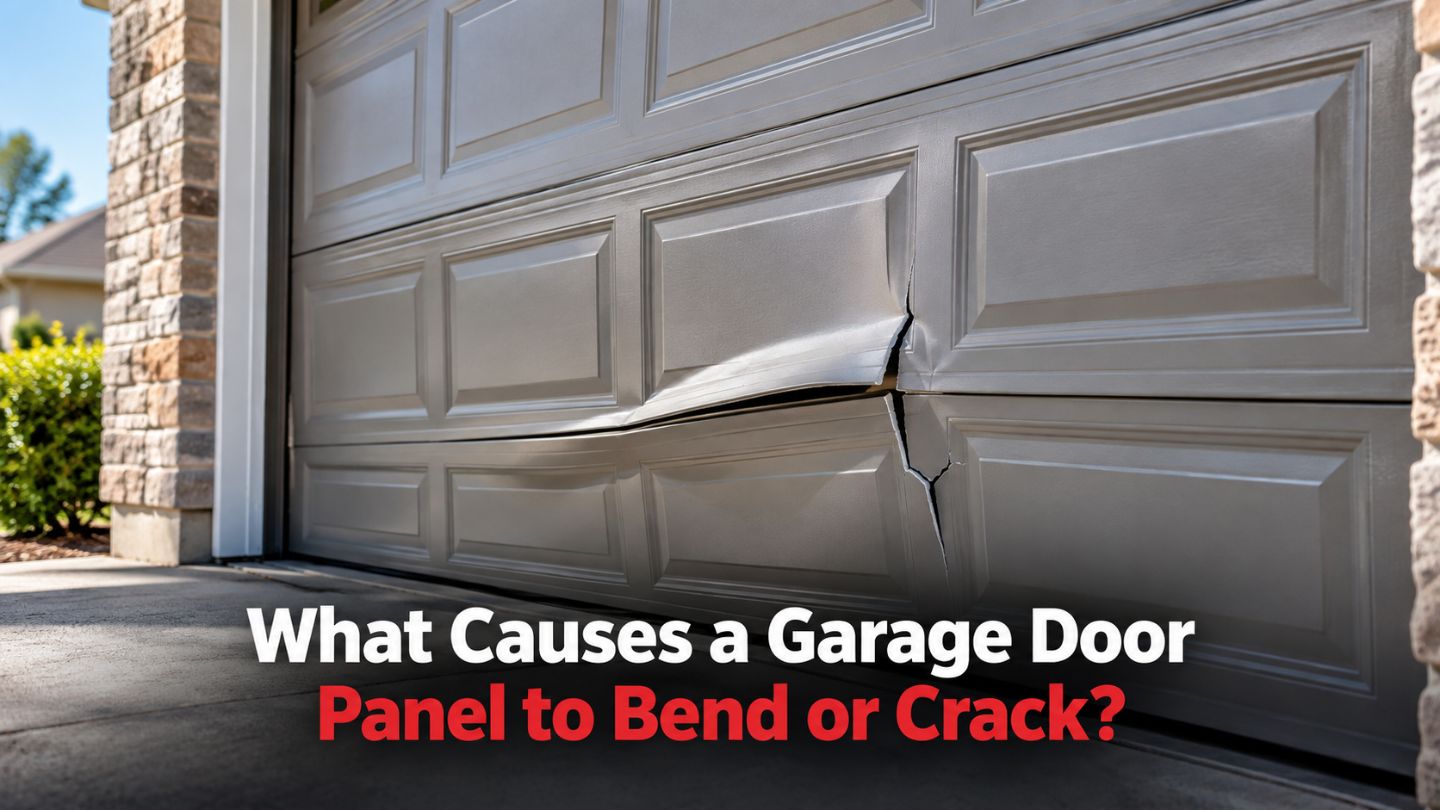
You walk out to your garage one morning and notice something off - a visible crease running across a lower panel, or a crack spreading along the edge of a section that looked fine last week. If you're wondering what causes a garage door panel to bend or crack, you're not alone. It's one of the most common concerns Ohio homeowners bring up, and the answer usually involves more than a single cause. This blog breaks down the real-world reasons behind garage door panel damage, how to spot the early warning signs, and what steps to take before the problem spreads to the entire door system.
Whether your garage door is relatively new or has been serving your home for decades, the information here applies to the sectional residential doors found across Ohio neighborhoods.
Garage door panels don't exist in isolation. Each panel is part of a larger garage door system that includes springs, tracks, rollers, hinges, and an opener - all working together. When any part of that system is off, it can eventually lead to stress on individual door panels. Here are the primary reasons panels bend or crack in Ohio homes.
Accidental impact is the single most frequent cause of a bent garage door panel. A low-speed bump from a car, truck, or SUV backing out of or into the garage can crease or buckle a lower panel in seconds. Accidental vehicle impact can bend or dent garage door panels, and the damage is often concentrated near panel edges or along the bottom section where the metal or composite skin is most exposed.
Smaller impacts matter too. Lawn mowers, snow blowers, bicycles, and trash or recycling carts regularly clip the bottom panels, and even minor dents from repeated contact can weaken internal bracing over time. Sectional doors can sometimes hide this internal damage, meaning the panel looks mostly fine on the outside while its structural integrity is compromised underneath. That hidden weakness affects smooth travel along the tracks and can set the stage for a more visible failure later.
Your garage door's torsion or extension springs are designed to carry the door's weight and keep everything balanced during daily operation. When a spring weakens through normal fatigue - or snaps entirely - the load shifts. A broken spring forces the opener and remaining hardware to handle far more strain than they were designed for, placing stress on panels that now bear uneven pressure.
Mechanical failures such as broken springs can cause garage door panels to bend, especially upper sections near the operator attachment point. Homeowners often notice the door feeling heavier, producing unusual noise, or traveling unevenly before visible panel damage appears. If you suspect a broken spring, it's important to stop using the door and call for professional service rather than trying to force the door open.
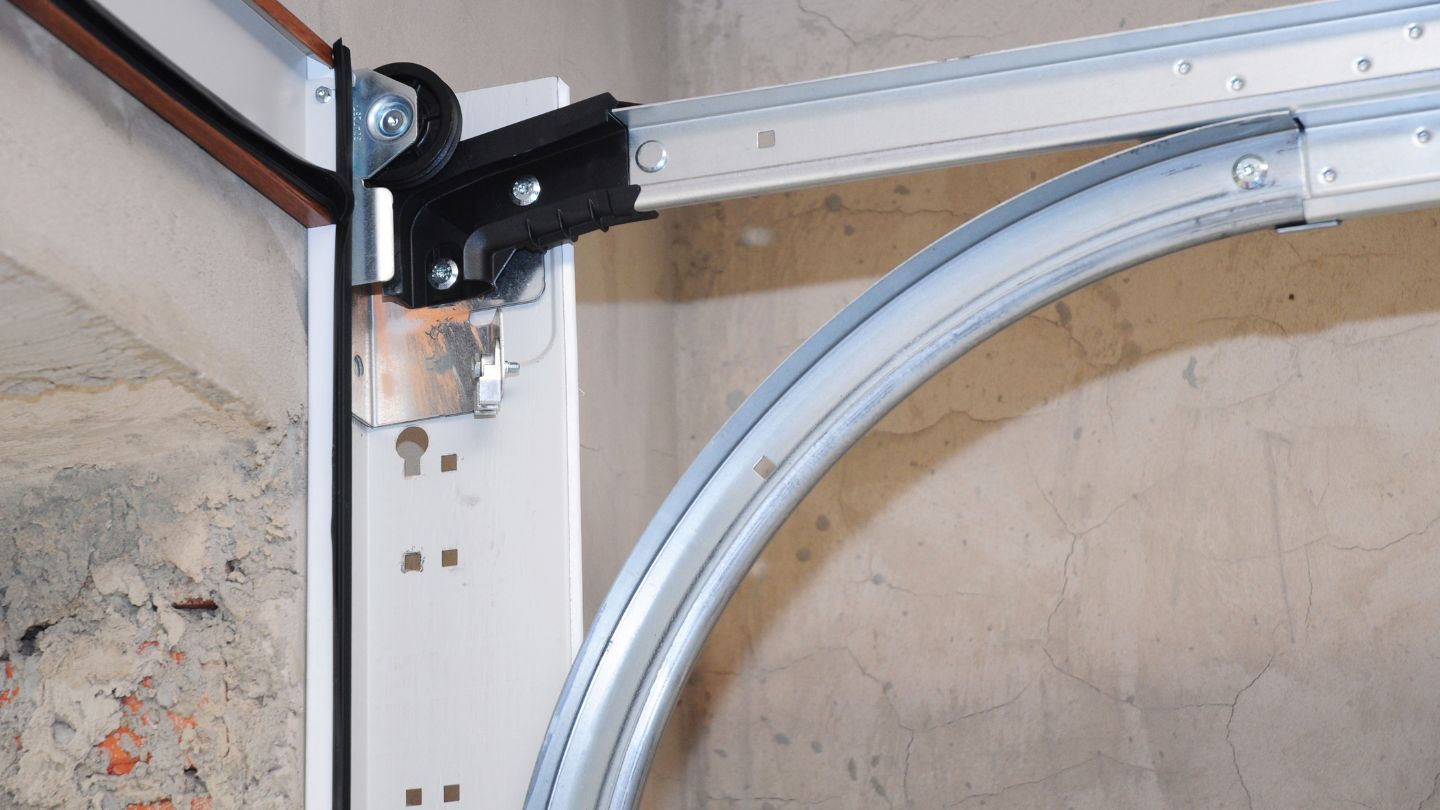
Tracks guide the rollers and keep each panel section moving in a straight, controlled path. Misaligned tracks can cause uneven pressure on garage door panels, forcing them to twist, scrape, or bind during travel. Even a slight deflection - from a bump, loose bolts, or gradual building settlement - can create a point of resistance that stresses panels every time the door opens or closes.
Worn rollers with flat spots or rust reduce tracking precision, and loose brackets or jambs allow track movement that compounds the problem. In Ohio garages, moisture exposure and foundation settling in older homes can shift track alignment over time, making this a particularly common contributor to overhead door problems.
Toys, tools, yard items, or ice buildup under the door can stop it from closing fully. Obstructions in the door path can dent or crack garage door panels when the opener attempts to keep driving the door down against the obstacle. The bottom panel absorbs this force, and repeated contact with even a low-profile obstruction can gradually crease thinner materials or crack composite skins.
Misadjusted opener force settings make this damage worse. If the opener's force limit is set too high, it won't reverse when it should, pressing the panel against the obstruction and causing a permanent small bend or buckling along a hinge line.
Ohio's climate is hard on garage door panels. Weather conditions can exert pressure on garage door panels, leading to deformation, and the state's mix of hot summers, cold winters, humidity, and freeze–thaw cycles creates a constant cycle of expansion and contraction. High temperatures can cause expansion and warping in garage door materials, while cold snaps make certain materials brittle and more prone to cracking.
Moisture exposure is especially damaging. Humidity and moisture exposure can cause wood garage door panels to swell or rot. Metal panels exposed to road salt and snow - particularly along the bottom - can develop rust that weakens the skin and invites further moisture damage. Weather changes can weaken garage door materials over time, and neglected finish or peeling paint accelerates the process. Winterizing your garage door before cold weather arrives is one of the best steps you can take.
Every garage door has a finite service life. Aging and repeated use of garage doors lead to material fatigue and possible failure. Over thousands of open-close cycles, hinges, rollers, and bracket fasteners gradually wear. Regular lubrication of moving components is one simple part of routine maintenance, and knowing how often to lubricate your garage door can help reduce unnecessary wear. Metal fatigue can appear even without external impact, showing up as sagging, soft spots, or hairline cracks along panel joints.
Aging materials can weaken garage door panels over time, and older insulation or skin layers may separate, allowing the panel to flex under loads it once handled easily. Garage door panels made from inferior materials are more susceptible to warping or cracking, so homes with older or budget-grade doors should receive extra attention. If your door is showing rust spots, sagging sections, or panels warped along the edges, it may be time to consider whether replacement makes sense.
A garage door that wasn't originally installed square, level, and properly balanced is more prone to panel issues from the start. When panel damage is affecting the way your door operates, professional garage door services in Dayton can help identify the underlying problem and determine the appropriate repair. Common installation problems include wrong spring size, misdrilled garage door hinges, or mismatched hardware - any of which can create chronic strain on specific panels. Misaligned or obstructed tracks can twist garage door panels during operation, and those track issues often trace back to the original setup.
Wide doors or top panels without properly sized reinforcement struts tend to flex under load, especially when the opener pulls the door up. Problems from past installation mistakes often become obvious years later as the door ages, making a professional inspection valuable even if the door has worked "fine" for a while.
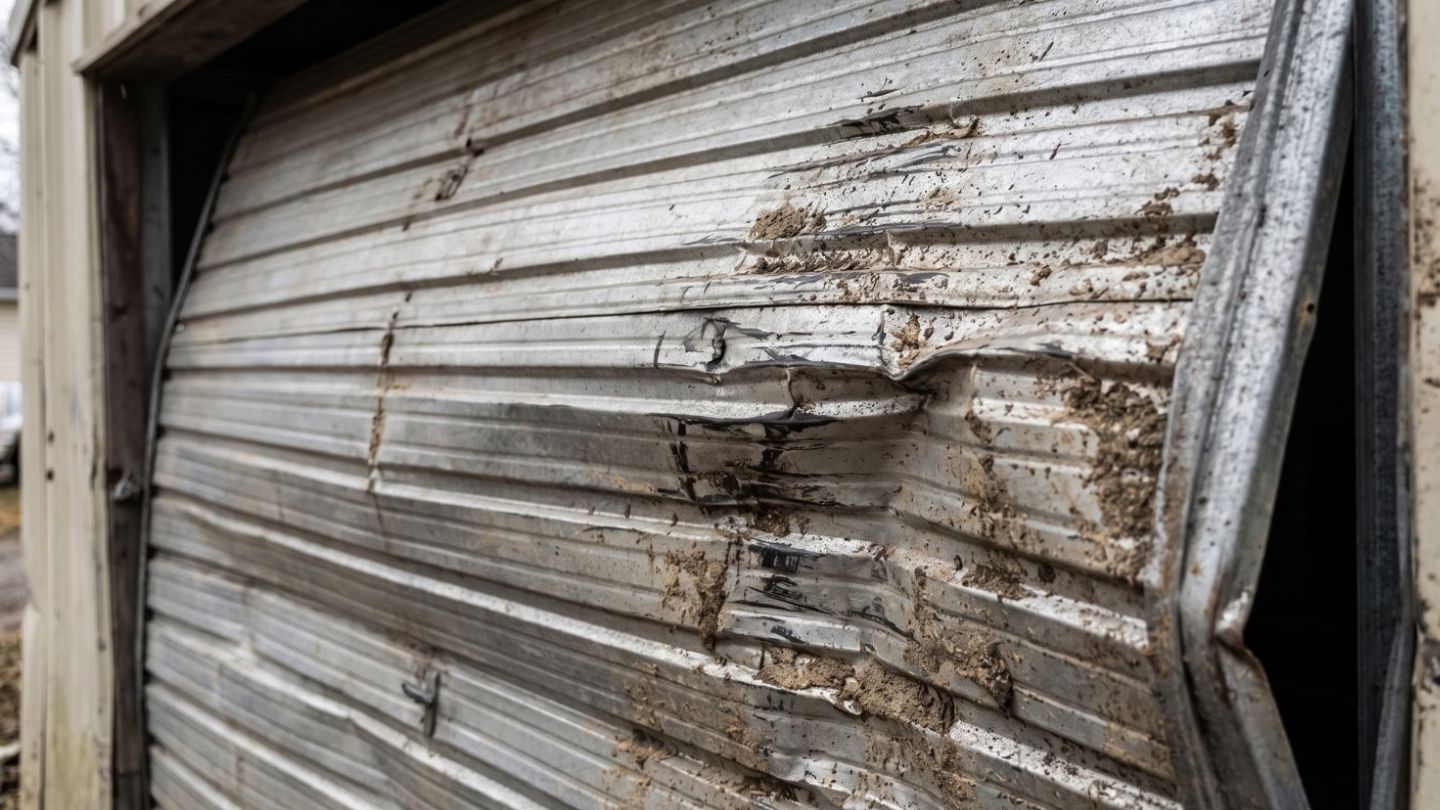
Once a panel is bent or cracked, the damage rarely stays contained on its own. A single weak spot can throw the entire door system out of balance, creating a chain reaction that spreads to neighboring sections and connected hardware.
The internal framing and joints in a panel carry load even when exterior damage looks minor. A small bend or small cracks act as stress concentrators - daily operation routes additional stress through the weakened area, gradually widening the damage. Over time, what started as a cosmetic issue can affect multiple panels, creating gaps around the door perimeter that reduce energy efficiency and weather sealing. Homeowners often first notice extra noise, jerky motion, or new drafts before the spreading damage is immediately visible.
When sections no longer travel smoothly together, the opener works harder to compensate. Because the door and opener work together as one system, understanding the role of garage doors and openers helps explain why panel problems can affect overall door performance. This additional stress on the motor and spring tension can lead to premature failure of those components. Forcing the door open or closed when it's visibly damaged only accelerates the cycle. If your garage door won't open properly or makes concerning sounds, stop operating it and seek a professional assessment.
Garage door panels in Ohio are commonly made from steel, aluminum, wood, or composite materials. Understanding the differences between these materials can make it easier to choose the right garage door for your home's needs and long-term use. Each type shows damage differently and may be more or less prone to bending or cracking from similar causes.
Steel door panels tend to crease sharply under accidental impact and can develop rust if the paint finish is compromised by moisture damage or scratches. Steel generally offers better resistance to casual bumps, but once the protective layer is broken, corrosion can reduce panel strength over time. Aluminum is lighter and resistant to rust but dents more easily and can develop metal fatigue faster from repeated flexing.
Wood panels can crack, split, or warp due to moisture changes and temperature swings. Neglected finishes - peeling paint, exposed edges - invite moisture that causes swelling and rot. Heavy wood doors also place more load on springs, and if door balance isn't maintained, the additional stress on panels can cause warping or splitting.
Composite or insulated sandwich-style panels use an outer skin bonded to an insulating core. They resist small dents well, but a hard strike can cause cracking, bulging, or delamination of the skin from the core. Internal damage is sometimes harder to spot and may only become apparent when door performance changes - making regular inspections even more important.
A bent or cracked garage door panel can affect the appearance, safety, and smooth operation of your entire garage door system. Understanding the common causes, such as impacts, weather exposure, and regular wear, helps homeowners identify issues early and take the right steps to maintain reliable performance.
Dayton Door Sales provides trusted solutions with our garage door service in Dayton, helping homeowners and businesses address panel damage and other garage door concerns. Our services include entry and patio doors, residential and commercial door services, and openers and accessories for garage doors. Contact us to get professional assistance and keep your garage doors functioning safely and efficiently.
Vehicle contact and accidental impact are the most frequent causes of a bent garage door panel. Even a low-speed bump from a car or piece of equipment can crease or buckle a section. System issues like worn springs or misaligned tracks can make panels more vulnerable to bending from forces that a properly balanced door would handle without trouble.
You may be able to operate the door briefly if the crack is minor and the door still travels smoothly. However, continued daily use with a cracked panel can worsen the damage, stress neighboring panels, and eventually cause problems with the opener and springs. It's best to have a qualified technician evaluate the situation before relying on the door long-term.
If the door opens and closes smoothly, stays level, and shows only a shallow surface scratch or tiny ding, the damage may be cosmetic. But if you notice the door binding in the tracks, sagging when partially open, producing loud noises, or showing gaps along the edges, those are early warning signs of a structural issue. When in doubt, a professional assessment is the safest path.
Not necessarily. Severe damage often requires replacing the affected panel, and if a compatible replacement panel is available, a single-section swap may be all that's needed. However, multiple damaged panels may necessitate a full door replacement, especially if the door is older and matching panels are no longer manufactured. A trained technician can help you weigh panel repairs against a new garage door based on the door's age and overall condition.
Scheduling a professional tune-up at least once a year is a good baseline for most Ohio homes. After severe weather events, an additional inspection is wise. Between professional visits, performing your own visual checks each season and keeping up with lubrication and seal maintenance helps you catch track issues, loose hardware, and early signs of wear before they cause panel damage.
.jpg)


